Impact of US budget deal mostly ‘psychological’
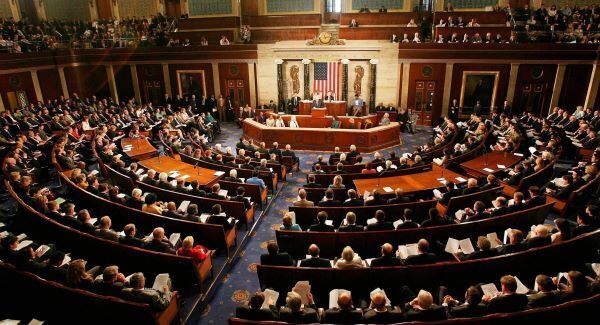
After a near default on the government’s debt in 2011, a 16-day federal shutdown in October, and plenty of political turmoil in between, Congress may finally be moving to ease the gridlock that has burdened the economy for three years.
The deal, which still must pass the House and Senate, is “a signal of a little less acrimony in Washington” before the next skirmish, raising the nation’s borrowing limit, said Michael Feroli, chief US economist for JPMorgan Chase.
“Maybe it means we’re going to have a less bruising debt-limit battle and the bad vibes on fiscal policy won’t hang over the economy next year,” Mr Feroli said.
The numbers in the accord are a small part of the nation’s $16.9 trillion economy.
The agreement would ease automatic spending cuts known as sequestration by $40bn in 2014 and about $20bn in 2015 and set discretionary spending — the government expenditures subject to yearly congressional review — at $1.01tn this fiscal year.
Still, economists say the Dec 10 accord may lift optimism.
Standard & Poor’s chief US economist Beth Ann Bovino said it “helps reduce some uncertainty from Capitol Hill and helps remove one of the roadblocks businesses and consumers face next year”.
“The private sector will probably be more confident when planning investment and spending for next year, which would directly boost growth,” Bovino said.
Sal Guatieri, a senior economist at BMO Capital Markets in Toronto, said the deal “could ward off political brinkmanship and fiscal policy uncertainty for at least a year, unleashing a wave of business investment and hiring.”
“The biggest downside risk” to the economy next year “has taken a big step back,” Guatieri said.
Wall Street’s biggest concern was that the agreement would remove the Federal Reserve Board’s worries about a political shock from Washington and prompt the central bank to begin reducing its stimulus for the economy. Fed officials have been debating when to start winding down $85bn in monthly bond purchases designed to spur growth.
Since the political focus in Washington turned from fiscal stimulus to deficit reduction with the arrival of the new House Republican majority in 2011, each year has brought a greater fiscal drag on the economy. It culminated in this year’s “fiscal cliff” of tax increases and automatic budget cuts.
Feroli estimates that deficit reduction curbed US growth this year by 1.8 percentage points while less dramatic austerity in 2014 will lower growth by 0.7 percentage point, including the impact of the deal.
Even so, after all the previous political tumult in Washington, some in the financial community weren’t ready to incorporate the agreement in their plans since it may yet fail. The accord faces a vote as soon as today in the House.
— Bloomberg
CONNECT WITH US TODAY



Be the first to know the latest news and updates