Irish Dairy Board takes 75% slice of Saudi firm
Via its controlling interest in a cheese manufacturing plant at the Al Wazeen facility in Riyadh, the board has strengthened its position in the Saudi market and developed one strong outlet for the extra milk Ireland is set to produce when the EU abolishes its milk quota restrictions in Apr 2015.
IDB chief executive Kevin Lane said: “This represents a major route to market and value for Irish dairy in the post quota environment. This investment is strategically very important as it allows us to expand our business throughout the MENA [Middle East and North Africa] region.
“With innovation and new product development being critical to growth, our partnership with Teagasc is an excellent example of how with innovative technologies we can create new ways of producing and selling dairy products for a global audience.”
The deal was unveiled as part of the Department of Agriculture’s trade mission in the Middle East, a party of 60 delegates including executives agri-food companies, and representatives of groups like Teagasc and Bord Bia.
Saudi Arabia imports more than 400,000 tonnes of dairy produce per year. Domestic milk self sufficiency is low and milk production is under stress due to the lack of water for crop growing as animal feed.
Despite this, consumption of cheese and other dairy products is growing steadily throughout the region, offering an excellent platform for future growth.
The facility will produce fresh white cheeses that appeal to local market tastes. It will initially supply dairy products to the Saudi Arabian market. It is anticipated that IDB will use Saudi Arabia as a manufacturing hub for the MENA region, supplying the Islamic Halal market segment.
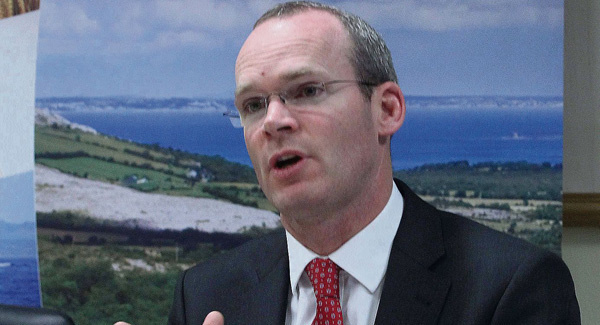
Mr Coveney said: “Developing new routes to market, in particular the emerging markets, is a crucial component of our strategy under Food Harvest 2020 and today’s announcement represents just that. The Irish Dairy Board’s investment in Saudi Arabia opens up considerable market opportunities for the additional milk we are expecting post 2015.”
Prof Paul Ross, head of the Teagasc Food research programme, said that Teagasc and the IDB will work to develop fresh cheese types suitable for markets in the Middle East.
“The ambition of the collaboration is to continue to develop a pipeline of new innovative products to meet specific consumers and customer needs in key global farmers for the Irish Dairy Board. This will contribute to the returns farmers receive for the milk they produce,” said Prof Ross.
CONNECT WITH US TODAY



Be the first to know the latest news and updates