Draghi gives reassurances on economic recovery
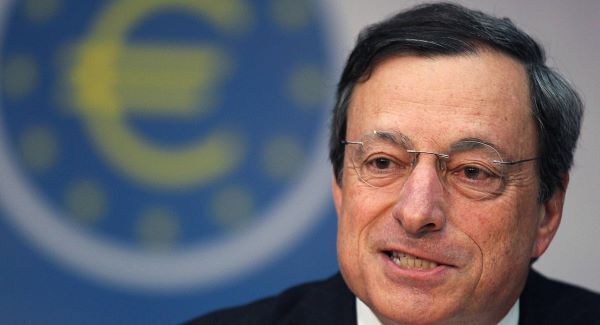
Markets immediately reacted positively with government bonds rising to his messages though he gave very little concrete information on stress tests being planned for banks, and possibly governments, before the ECB takes over its role as banking supervisor at the end of next year.
On foot of ongoing criticisms about the ECB’s role in the troika that has been dictating and overseeing the implementation of austerity policies in programme countries, Mr Draghi said they would not remain there in the longer term. He stressed they provide technical advice while the Eurogroup decides on granting financial aid.
His words to the European Parliament’s economics committee came shortly after Karl Whelan, economist from UCD, told members of the committee that the ECB should not be involved in negotiating and monitoring financial assistance programmes.
“It does not provide funds for these programmes; that it confuses fiscal and credit policy and that while the ECB can make loans to banks contingent on recap or restructuring, they should not be designing or monitoring fiscal conditionality,” he said.
Mr Whelan also said there was a lot of uncertainty about the nature of upcoming bank stress tests and that the banks need clear guidelines on what is required as soon as possible together with guidelines for assessing impaired assets and the quality of loan-loss provisioning.
Mr Draghi, questioned by MEPs, said the single resolution mechanism should be in place by Jan 1, 2015. For the asset quality review to be credible, there will have to be national backstops in place to bail out or resolve banks that fail the tests.
“National backstops are absolutely essential to ensure the credibility of the stress tests — if there are none, the world will say these figures are a response to the fact that there is no national backstop,” he said.
The 10-year time frame to have a fund in place was too long to be useful at present and so there should be a credit line available to deal with failing banks from the ESM, he said.
Asked if Greek debt at 180% of GDP was sustainable Mr Draghi said that the current assessment was that it was sustainable. “We see no reason to change,” he said, adding it was premature to speculate on whether Greece would need a third bailout.
CONNECT WITH US TODAY



Be the first to know the latest news and updates