Credit access one of a range of challenges facing firms which must learn to adapt
Traditionally, Irish companies secured 85% of their funding needs from banks and 15% from the capital markets. But banks are still reeling from the financial sector implosion in 2008.
And plus, the domestic banks still have work through mortgage losses that could potentially amount to billions over the next few years.
New international banking regulations known as Basel III will be introduced on a phased basis by 2019. It is most likely that the covered banks will have to raise further capital to comply with these new regulations.
This will weigh on the sector’s ability to transmit credit to Irish companies.
Compounding these problems is the level of wealth destruction wreaked across the Irish economy over the past number of years. There is a dearth of high-net-worth individuals that can act as angel investors or plough funds into private equity firms.
There is also a tradition of successful private companies in this country selling when they reach a certain size. Quite often, the ownership transfers to another jurisdiction.
Consequently, a domestic capital market will be an important lever in providing liquidity to the Irish corporate sector in the future and helping companies grow in scale.
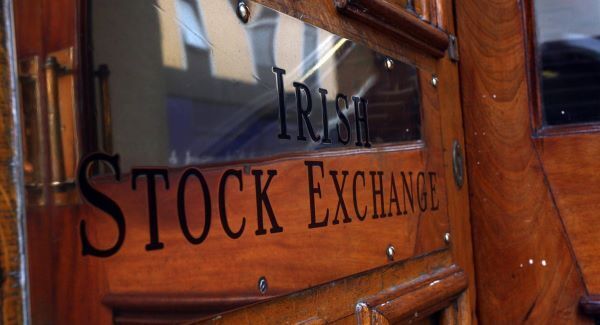
However, the Irish Stock Exchange faces many challenges from the globalisation of financial services. There is consolidation among stockbroking firms, with those who can offer the best economies of scale likely to thrive. This will obviously favour the big international players.
Moreover, the bigger markets such as the London Stock Exchange have a much deeper pool of liquidity.
However, not all Irish companies will be suited to the London market. It has obvious advantages for firms that can gain membership of the FTSE 250.
For smaller companies, and particularly members of the smaller cap Alternative Investment Market (AIM), liquidity can be a problem for mid- and lower-ranking firms.
The ISE faces many challenges but there are also a number of opportunities. Future success hinges on recognising the changing landscape and acting accordingly.
CONNECT WITH US TODAY



Be the first to know the latest news and updates