Britain’s recovery lies down a tough road
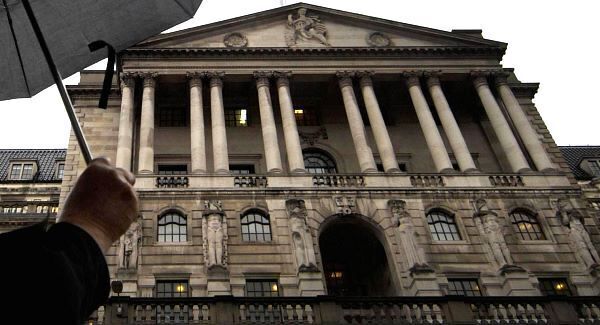
The worry about the Bank of England’s new policy of forward guidance is not so much that the market doesn’t appear to believe it, though that can’t help, as the extent to which the whole plan depends on house price gains.

Britain’s recovery lies down a tough road

The Bank of England has enunciated a new policy of providing the market with forward guidance, saying it was unlikely to raise interest rates above their current all-time low of 0.5% as long as unemployment, now 7.8%, is higher than 7%.

Forward guidance, introduced by new Bank of England chief Mark Carney, is intended to drive down longer-term rates and thus goose asset prices. It includes get-out clauses that would allow for a hike.

Carney said the bank might raise rates even if unemployment remains high: if medium-term inflation expectations rose too much; if its own, notoriously poor, forecasts showed inflation in 18 to 24 months will be 2.5% or higher; or if low rates pose a threat to financial stability.

The Bank of England, again citing its own highly fallible forecasts, said it didn’t see rates rising before late 2016.

There are two big problems with this strategy: It probably won’t work and, if we really think about it, we probably don’t want it to.

“The monetary policy committee seems to be attaching a lot of importance to further recovery in the UK housing market. In an attempt to emulate the Fed’s apparent success in boosting the US recovery, the Bank of England is trying to

create conditions that will support demand for properties and equities,” Valentin Marinov, foreign exchange strategist at Citigroup, said.

This is a page straight out of the Federal Reserve’s playbook, though done less forcefully. Low longer-term rates should drive up stock prices and stoke Britain’s housing market.

That, in turn, will not only drive consumption, but, as paper gains in houses and stocks are turned into holidays and marble countertops, it will also create jobs. Finally, low long-term rates will help encourage businesses to invest and allow banks to make easy profits, thus repairing their very threadbare balance sheets.

One problem with all of this is not so much whether we believe the bank, but what exactly it is they are pledging to do.

In sum, not much.

The unemployment level is a threshold for discussion rather than a red button to launch rate rises. As well, the Bank of England has given itself so many outs as to make the whole exercise a pledge to “do the right thing”, whatever that might be.

Rates actually rose briefly after the announcement and the pound went up in value, both the opposite of what Carney presumably hoped.

The bigger problem is the extent to which the Bank of England is tying its, and Britain’s, fortunes to its notoriously frothy housing market. In some ways it is easy to have sympathy for Carney and his colleagues; they have precious few potential sources of growth.

Trying to get an export-driven revival hasn’t worked and won’t work because Europe continues to wallow in something doing a passable impression of a depression.

This is not a new problem for Britain, and Carney’s is not a new solution. Over the 15 years or so before the crisis began in 2007, Britain enjoyed very good and stable growth, but did it by encouraging the over-development of its ‘fire’ sectors — finance, insurance, and real estate. That is how Britain found itself with huge private debts and banks, and house prices grossly out of proportion with its ability to support them.

Turning back to this sector as the engine of growth is risky, and wrong-headed. House prices in Britain are already on the rise, and may rise more rapidly next year when the “Help to Buy” government programme kicks into high gear next year.

Under the scheme, Britain will guarantee mortgages on homes bought for as much as £600,000 (€698,000).

Ratings agency Fitch warned the plan may push up house prices and increase taxpayer liabilities without doing anything to ease Britain’s housing shortage. House prices have risen 4.6% in the past three months alone.

Why the Bank of England and government would work to build another housing bubble is unclear. Britain’s ratio of private debt to GDP has gone down a bit but is still much higher than in the US or eurozone.

Britain has a tough road ahead; it needs to further diversify its economy and slowly shrink its debt, all while allowing finance and its handmaidens to gently decline.

James Saft is a Reuters correspondent

x

More in this section

The Business Hub

Newsletter

News and analysis on business, money and jobs from Munster and beyond by our expert team of business writers.

Cookie Policy Privacy Policy Brand Safety FAQ Help Contact Us Terms and Conditions

© Examiner Echo Group Limited