Cyprus looks to Russia for help in crisis
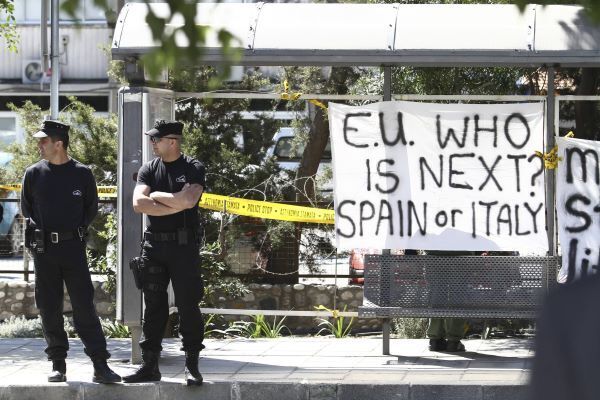
Markets calmed down yesterday from all the excitement over whether the Cypriot economy and banks would implode as they sought an alternative source of funding having rejected the conditions for an EU/IMF bailout.

Cyprus looks to Russia for help in crisis

The ECB helped to stabilise the situation when it reaffirmed its commitment to provide “liquidity within the rules” for the island’s banks, but executive board member, Jorg Asmussen pointed out in the German media that under the rules, they can only provide emergency liquidity to solvent banks, increasing the pressure on the island.

The country’s Central Bank announced that the banks will remain closed until Tuesday in an effort to prevent a bank-run. In the meantime, the Cypriots continued a series of meetings in Nicosia and in Moscow to come up with an alternative to haircutting savers in their two troubled banks.

The president and leader of the government called meetings early yesterday morning with the leaders of the political parties — all of whom rejected the EU’s demands — and there were further meetings with members of the central bank and contacts with the troika.

However, by last night, they did not appear to have found a solution to raising about €5.8bn to add to the €10bn they were being offered by the EU.

Discussions between their finance minister Michalis Sarris and the Russian finance minister Anton Silouanof, did not appear to reach any conclusion, but they are scheduled to meet again today.

Mr Sarris, who was deputed to ask Moscow to extend the term and lower the interest rate on a loan of €2.5bn they received in 2011, was also understood to have asked for an additional sum of €5bn.

Following his meeting, he was quoted in local media as saying, “We have very good, very honest and construction conversation. He realises how serious the situation is,” and added they will continue talks to secure Russian support.

There were rumours that Russia may be willing to buy one of the Cypriot banks — Russian nationals have more than 20% of the total deposits in the country’s financial service sector.

There were also reports that Moscow may be interested in securing a share of the gas fields recently found off the coast.

A spokesperson for Gazprom denied this report but the prospect is bound to cause consternation in Brussels where the EU has been trying to find alternatives to Gazprom’s pipelines and supplies, and the Cypriot/Israeli gas field offered one such opportunity.

The ruling party’s deputy leader, Averof Neophytou, made an impassioned plea to the nation yesterday saying that they had “not days but a few hours” to find a solution, and that the political parties were united in their determination to find one to save the country from bankruptcy.

Additional reporting Reuters and Bloomberg

More in this section

The Business Hub

Newsletter

News and analysis on business, money and jobs from Munster and beyond by our expert team of business writers.

Cookie Policy Privacy Policy Brand Safety FAQ Help Contact Us Terms and Conditions

© Examiner Echo Group Limited