Negotiations on EU budget close to collapse
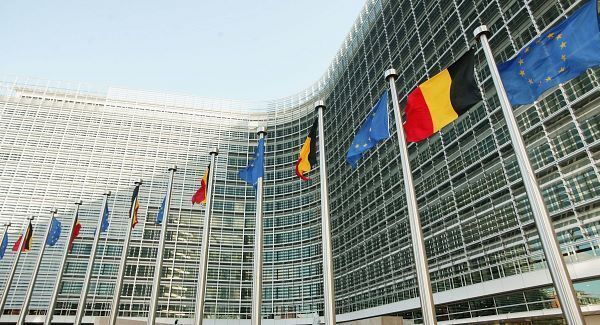
A special meeting to deal with the 2013 budget ended in chaos on Friday night without even discussing the details as a fight broke out with the European Commission over its request for an additional €9bn to pay this year’s bills.
The fight, pitching budget hardliners Britain, Netherlands, Sweden, Finland and Austria against the others, augurs ill for next week’s summit at which EU leaders are to finalise agreement to cap the long-term 2014-2020 budget at €1.03 trillion.
The European Commission is fighting back against claims it is not showing solidarity by looking for an increase in last year’s budget, saying that member states were warned that the cutbacks imposed last year on what was an agreed budget meant bills could not be paid. The shortfall was increased by being forced to roll over some €5bn from 2011 to this year’s budget.
The result is the current shortfall, with bills from member states for €8bn for cohesion policies, €300m for science and research funding and €90m to fund Erasmus students, and the commission says it has run out of money — a claim disputed by some countries.
The countries owed the money are Italy, Spain, Poland, Germany, Greece, Czech Republic and Bulgaria and they have submitted bills for amounts from €400m to €1.9bn.
However Britain, in particular, says that this represents more than a 9% increase on the sum agreed for the year and it has demanded that the commission search through its books and try to turn up the money from other sources. Ireland supports this.
The commission fears that it will be forced to push the bills into next year, the final year of the current seven-year financing period when traditionally every country rushes to be repaid for the projects for which it has received EU backing.
The commission also fears that the only compromise will be agreement to fund the smallest bill, for Erasmus, and member states will then declare this a victory. It is under intense pressure from many countries to find the €90m for this, including a petition signed by more than 100 well-known citizens including former Irish rugby captain Mick Galwey.
The letter warns that unless the 2012 and 2013 budgets are sufficient to meet pledges already made to students, “thousands could miss out on a potentially life-changing experience”.
Budget commissioner Janusz Lewandowski has been critical of member states saying that having demanded EU funds to cover programmes, they now don’t want to pay for them. Countries under economic pressure have already paid for the work and risk being faced with more hardship as they will be forced to wait indefinitely to be compensated by the EU.
The European Parliament, negotiating a compromise with the council representing member states, voted by an overwhelming majority to reverse the council’s €3.7bn cuts for next year.
CONNECT WITH US TODAY



Be the first to know the latest news and updates