High costs hit Irish trading
In its end-of-year statement, Forfás said last year saw a loss in Ireland’s international price competitiveness due to euro appreciation and wage increases ahead of productivity growth rates.
A further weakening of sterling or the dollar, together with anticipated moderation of economic growth in Ireland’s main trading partners would result in an even tougher international trading environment, it said.
Irish exporters have been urged to continue developing contingency plans for these eventualities.
Forfás also said the exporting sector remained strong last year, with employment remaining stable and firms stepping up measures to improve productivity performance.
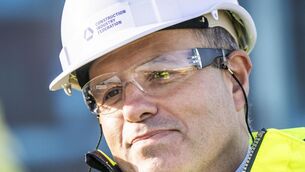
Forfás chief executive, Martin Cronin said: “We are facing a more testing international economic environment which presents further challenges to the success of enterprise and economic sustainability and growth.
“Fifteen years of economic success, however, has provided Ireland with resources and strong enterprise foundations which mean we are better placed than ever to tackle issues and successfully progress to the next phase of economic development.”
The Forfás Employment Survey for 2007 showed total permanent employment in client firms of Enterprise Ireland and IDA Ireland was 290,077 last year, up 1,187 from 288,890 in 2006.
However, temporary and part-time employment at 30,658 last year is down from 32,028 in 2006.
It said job losses in Enterprise Ireland and IDA client firms totalled 22,657 last year, an increase of 1,979 from 20,678 in 2006.
Mr Cronin said international competition is creating pressure for greater efficiency, quality and productivity in both indigenous and foreign-owned firms in Ireland.
“Achieving higher relative productivity growth rates will be important for future international competitiveness and securing sustainable wage growth.
“Our productivity growth rates have weakened in recent years. Productivity growth will have to come from both a shift in employment toward higher value-added activities and from raising the skill levels of existing employees in all sectors of the economy,” he said.
The Forfás report showed total expenditure in the Irish economy was up significantly for foreign-owned firms in 2006 (7.2% overall in nominal terms) but total Irish economy expenditure for Irish-owned firms was almost static (up 0.9% from 2005).