Bumper year for domestic business
The bank said there was a strong performance across most sectors of the economy last year, but that pubs and bars were the main losers.
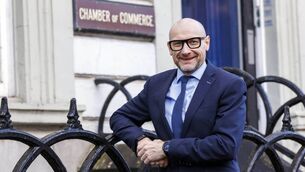
Speaking at the launch of its sectoral review of Irish business yesterday, Bank of Ireland Corporate Banking chief executive Richie Boucher said the bank’s lending patterns over the past year showed clear evidence of an improving business climate.
Non-mortgage lending grew by more than 24% last year thanks to “buoyant” lending to corporate customers, said Mr Boucher.
Lending to construction firms surged almost 50%.
Bank chief economist Dan McLaughlin said the retail sector was picking up speed but that consumer spending was not as strong as it may seem. Dr McLaughlin predicted a bumper year for high street retailers in 2005, however, thanks to consumer confidence rebounding to levels not seen since the height of the boom in 2000.
But the trends from pub and bar sales were “startling”, he said.
The sector had been on a downward trend since 2001, but there was increasing evidence that changing lifestyles were taking hold and that there would be no light at the end of the tunnel for pub owners. Dr McLaughlin said the smoking ban was just one factor leading to the slide in bar sales.
Consumers were spending more time at home and seemed happier to spend their money on items such as furniture and home and garden accessories than visiting pubs, he said.
Mr Boucher said the Irish pub sector was in line for a period of consolidation, as owners of family pubs looked to exit the business and other publicans faced up to the challenge of buying as a way to grow.
Pressure on prices and falling sales meant the only way to grow in the pub trade was through acquisition, said Mr Boucher, although this trend was still in its infancy.
Dr McLaughlin said the consumer would be the key driver of economic growth in years ahead. But rising interest rates and higher mortgage repayments had the potential to dampen spending power. Dr McLaughlin said a rise of 1.5% in the ECB rate would have a measurable effect on spending but the base rate would need to go from 2% to 5% to have a big impact.


CONNECT WITH US TODAY



Be the first to know the latest news and updates