Louise O'Neill: What does praise of Adele’s ‘new’ body say to young women today?
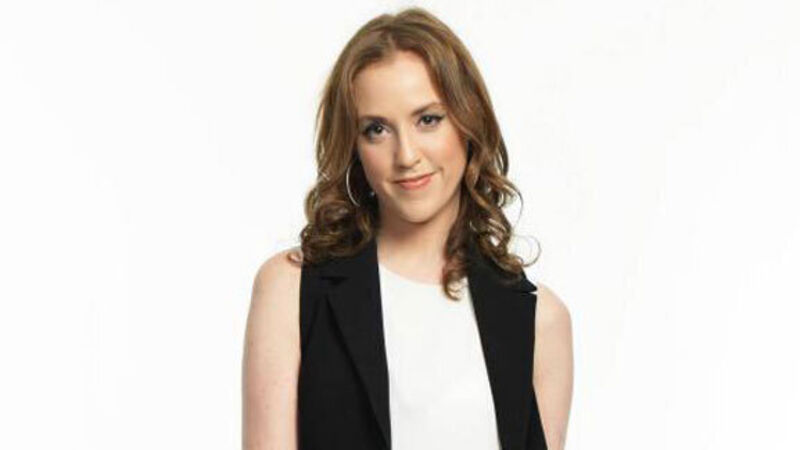
Adele, the internationally famous and much-beloved singer and songwriter behind the albums we all like to cry along to in the aftermath of an ugly breakup, turned 32 this week. In honour of her birthday, she posted a rare photo of herself on Instagram, thanking the frontline heroes who are working so hard during the Covid19 crisis.
But it wasn’t her message of support for essential workers that made headlines this week; instead it was her dramatic physical transformation that had everyone talking. This isn’t the first-time people have noticed Adele’s gradual weight-loss over the last year; indeed, every time she has been photographed recently, whether at a Christmas party or officiating her best friend’s wedding, the focus has primarily been on her body.
Like most celebrity stories, in the end this has very little to do with Adele herself. She’s notoriously private and doesn’t court this kind of media attention. She doesn’t owe any of us an explanation for why or how she decided to lose weight. It’s her body. One of the central tenants of feminism is the notion of My Body, My Choice, and it’s important we respect that.
What interests me is our collective response to moments like this and what that says about us as a society. The clickbait headlines shouting about How She Did It!, with an ‘expert’, who is neither connected to nor endorsed by Adele, claiming the star lost seven stone due to a combination of Pilates and an extremely restricted diet. The number of daily calories they mentioned (which I won’t reference here in case it’s triggering to anyone suffering with food issues) was so frighteningly low, that I couldn’t imagine how any respectable nutritionist would recommend a grown woman follow this regime. This sort of irresponsible journalism acts as a How-To guide for developing an eating disorder. When I was a teenager, magazines used to run articles called What The Stars Really Weigh!, complete with the heights and weights of the most popular celebrities of the day. It ignited an awareness of my own body and its ‘flaws’ when compared to these ‘perfect’ women that was deeply uncomfortable at such a young age. I can’t help but wonder what the praise of Adele’s ‘new’ body says to young women today? What messages are they internalising as they watch the adults around them rush to social media to comment on how much ‘better’ Adele looks now that she’s thin?
The latent fatphobia is unsettling, the grotesque assumptions that a woman who dared to be fat and beautiful and successful has finally stopped ‘pretending’ to be happy with her body.
I’m also uneasy with the obsession with framing this as Adele’s desire to get ‘healthy’ for her child, as if a) we’re best friends with Adele and have any idea of what her reasons for her life choices are or b) somehow fat women can’t make wonderful, engaged, loving parents. It’s deeply insulting not to mention problematic. When you’re gushing about how great a celebrity looks after extreme weight loss, what are the fat people in your life supposed to think? That you don’t believe it’s possible to be fat and beautiful? (Adele has always been stunning, at any weight) That you don’t believe it’s possible to be fat and healthy? (Studies have shown it’s impossible to gauge a person’s health by their weight. And what does it matter to you if it could? Adele’s health is an issue for her and her doctors alone) That you don’t believe it’s possible to be fat and loved? Besides being blatantly untrue, can you even try and understand how hurtful this must feel to every fat person who is listening to you?
I worked for a fashion magazine; I was privy first-hand to the sorts of toxic conversations that can take place when a celebrity who doesn’t fit sample size is going to be featured in its pages. I would imagine it’s incredibly difficult not to be affected by that when you’re working in an industry obsessed with beauty and thinness but since I don’t know Adele, I’m not going to speculate about her reasons for losing weight and I would like for everyone else to stop doing the same.
When I was fourteen and we had a death in the family, I lost a large amount of weight in a matter of weeks. I didn’t notice my own body shrinking; I wasn’t the sort of teenager who weighed myself at that age. But when people – including grown women– started commenting on how thin I had become, and how I had a ‘lovely little figure’ now, I became obsessed with maintaining a weight that was much lower than my natural set point and almost two decades of disordered eating were set into motion. I wish we lived in a world where it was not only impolite but unacceptable to comment on other people’s bodies. When you’re complimenting someone’s weight-loss, you have no idea what’s going on in their lives. You could be complimenting them on their grief, their trauma, their eating disorder, their cancer, or their exhaustion. Ultimately, I want to ask one question - when are we going to accept that a woman is worth more than a number on her scales?
Louise Says:
The Bold Type on Amazon Prime. Set in New York, this show follows three young women who work at Scarlet magazine. It’s unrealistic but so charming and likeable.
Djinn Patrol on the Purple Line by Deepa Anappara. When children start to go missing, three best friends turn detective and venture into the most dangerous corners of their city to bring them home again. An unforgettable novel.
CONNECT WITH US TODAY



Be the first to know the latest news and updates