Air supply: Importance of breath work during training
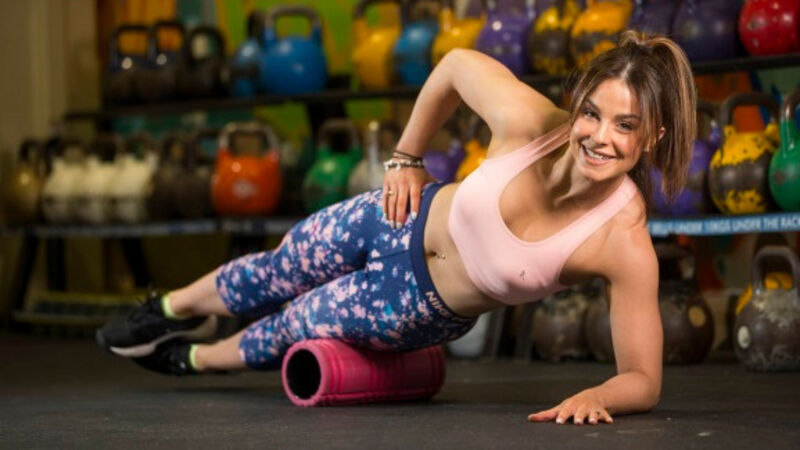
Personal trainer has some vital tips to ensure a stress-free run

If you had to stop and think about your natural breathing rhythm it feels very unnatural as it’s something we rarely focus on.
Learning to control your breathing technique can help you relax and even make running more enjoyable.
Try this breathing technique with a walk first: Focus on taking deep breaths into the pit of your stomach, imaging filling it with oxygen, which will really open up your lungs. The oxygen that’s inhaled deep into your lungs will go into the bloodstream getting into the muscles creating energy output.
Always keep your posture upright, shoulders back and head up when you’re walking, jogging or running, this way your lungs have full capacity to fill with oxygen at all times. If your shoulders are rounded over you breaths become shorter and less oxygen will get into the lungs. This can then lead to loss of performance and timing in the race.
Exhaling is as important as inhaling, as a good exhale clears the lungs of carbon dioxide making room for the oxygen.
Once you feel you have the breathing technique under control while walking, start picking up your pace to a light jog. Find a comfortable stride, pick the pace up to your comfortable running pace and it becomes a much more relaxing style of race, rather than putting your body under pressure by taking rapid, short breaths leading to shallow breathing.
Footwear
No matter how experienced you are at running or if it’s your first race, having the correct footwear plays a vital role in supporting the body’s joints, muscles, posture and preventing injury. When you go looking for the shoe that’s best for you it can be whelming are as there are so many brands with different labels saying ‘cushioning’, ‘support’, ‘lightweight’ etc.
Be sure to ask the sales assistance for advice and explain if you’re new to running or run regularly. They will measure your foot, look at your foot arches and guide you to the correct pair for you. The strongest advice I can give when it comes to purchasing new runners not to buy them the day before you race to wear. Be sure to wear them in running so you feel comfortable in them, staying clear of getting blisters during your race.
Clothing
As with any aerobic activity, running becomes more comfortable when you wear clothes which keep you properly ventilated or, in cold and wet conditions, lightly insulated and dry.
Running clothing options include, pants, tights, shorts, shirts, vests and jackets. The weather determines what combination of these items you need to stay comfortable on your road and trail runs.
For warm days, your running clothes should keep you cool and protect you from the sun’s rays. Shorts, a shirt and socks might be all you need on a warm day, perhaps ankle socks would be a better option than the heavier sports socks that come up over your ankles.
Try and avoid cotton fabrics if possible as they hold your sweat and don’t dry quickly which may lead to chafing. Synthetic fabrics are much more breathable and keep moisture away from your skin allowing cooling evaporation to occur. Loose-fitting clothing will help your body breathe and cool itself naturally, although some people may want to avoid the bulkiness that comes with it.
A good pair of running sunglasses will help to protect your eyes from the sun’s powerful rays and helps prevent headaches which come from squinting or exposure to bright light. Try and get a pair that won’t slip down when you sweat or apply a simple headband strap at the back to tighten them.
Apply sunscreen before you get dressed for your run. However, for your face use a sunscreen stick so that it won’t run into your eyes when you start sweating or another tip is to apply Vaseline to your eyebrows.
If you want to wear something on your head to block the sun, I recommend a visor. A hat is too constrictive and traps heat whereas a visor allows heat to escape and will still keep your face shaded. Look for a visor with a sweatband so that it can also absorb your sweat.
Keeping hydrated in the heat and humidity can be especially difficult on long runs so having a water bottle on hand is indispensable. However, carrying a bottle can be cumbersome and weigh you down but today there are plenty of neat options like belt, backpack, or hand-held water bottles so find one which feels comfortable for you.
When the temperature drops
Consider wearing pants or tights, and a vest or soft-shell jacket, but remember that you will warm very quickly once you get moving. Insulated versions of these items are ideal for winter activities. Wearing a hat with a brim such as a sports cap or visor will help keep the rain off.
Take your clothes off
Try and change out of your running clothes as soon as possible, either straight after your run if facilities are available or as soon as you get home and don’t forget to get into the shower quickly. This will help you to avoid getting ill before the big race. That’s the last thing you want after all your hard work.
Drying your shoes
Just like buying the right footwear is essential, taking care of them is also important. When you get back from your run, take off your running shoes and stuff them with crumpled newspaper. This helps draw the moisture out of the fabric but also helps keep their shape and never ever put them in front of a heater or in the dryer as this can shrink and warp them. Putting them in the washing machine is also a big no no.