Wild at heart: The weird and wonderful life of wildlife responders
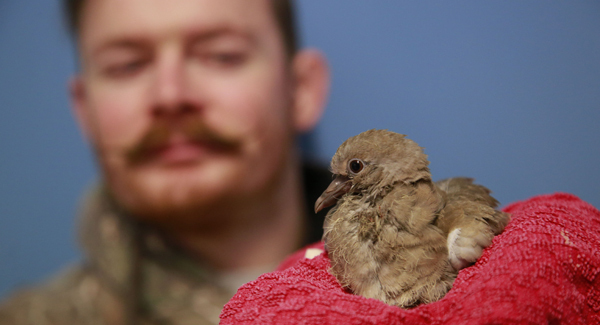
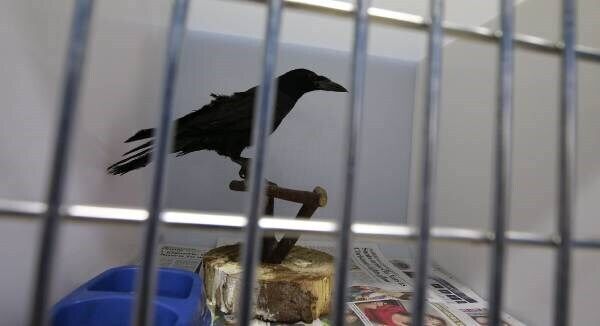
From batty bats to frightened foxes and suffering swans, wildlife responders share rescue stories with .
They are: Wild and free.
That’s how wildlife should be; living parallel lives so far removed from ours, that aside from soaring birds, slinking foxes and tree-scrambling squirrels, we scarcely notice they’re there.
While they always need our protection from a distance, and our voices to advocate for them, wildlife sometimes need our help up close.
When they do, it’s good to know there’s a network of animal-loving people who respond; people who pick them up and get them the help they need so they can be safely returned to the wild.
Conor Kelleher is part of that network. Give the Macroom-based ecological consultant and co-founder of Bat Conservation Ireland, your ear and he’ll tell you bats are responsible for 98% of rainforest regeneration.
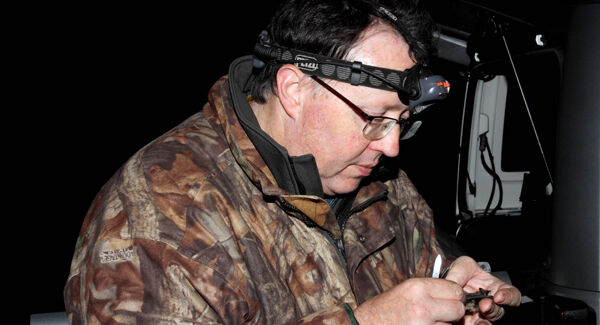
Ask when he first held one and he’ll transport you back to his childhood: “I was in 6th class at school. A lad at the back made a ‘Pssst’ sound in my direction, then passed a dead bat to me. He pocketed that one after a parish priest stomped on and killed it when he found it on the altar.”
When not recalling savagery, Conor’s a hoot, particularly when telling bat-rescue stories: “Some call bleary-eyed in the morning, after getting the fright of their lives on discovering the ‘used teabag’ in the kitchen sink, was in fact a bat.”
He’s mirthful on the gender divide that manifests in domestic bat invasion situations: “I’ve seen husbands and sons lock themselves in garages, leaving women to deal with the bats.”
He’s bat-fearless himself, except when his rescues place him in strange bedrooms with married women: “I’ve to be cautious when they call,” he says in jest.
“If the husband comes home and I’m in the bedroom with the dressing-gowned wife, I wouldn’t like to try explaining that I’m there to catch a bat.”
He’s smart but has been outsmarted by a ten-year-old.
“I was called to find a bat in a teenage girl’s bedroom. Her parents volunteered her little brother to help.”
The allocated sibling-helper was no help to Conor in locating the errant bat: “While I turned the room asunder, he lay on his teenage sister’s bed, reading her diary,” he says, chuckling at the memory.
“He knew the parents wouldn’t catch him; that they’d be terrified to come in before the bat was found.”
While Conor was outfoxed by a ten-year-old, building conservation student, Róisín Beirne, once placed a fox in her bedroom.
“He was found lying dazed on a road. It was night-time, so I minded him in my bedroom overnight.”
Róisín’s bushy-tailed house-guest was vet-treated next morning and released shortly afterwards.
But not all wildlife releases are into the wild as we know it. In summertime, when newly hatched gull-chicks are learning to fly, they often tumble from city centre roof-tops onto the pavements below.
Róisín has rescued countless such feathered-babies and other wildlife forms.
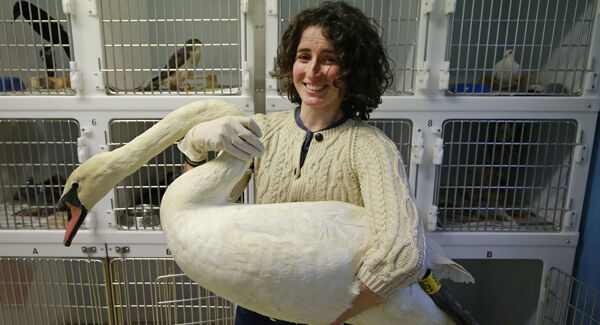
Her dedication is all the more impressive when you consider that when her car’s not nearby, this lady hops on her bike and off she goes.
Another kind-hearted soul of similar ilk is Alex Kronsteiner. When he’s not wearing his chef’s hat, the organic bakery owner’s a prolific wildlife rescuer.
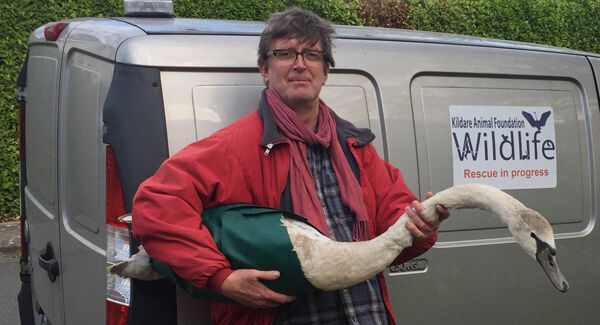
He’s motivated by the fact that animals have no voice: “They’re so vulnerable. Irish legislation provides no help for foxes and badgers.”
Of the hundreds of rescues, he has conducted over the past 11 years, the most memorable for him took place at Lough Talt, Co Sligo.
“When I heard about a swan being in distress for ten days after local rescue efforts had failed, I immediately drove from Dublin to Sligo. There, I stood in the water, waited for my chance and pulled out the swan. He’d swallowed a fish-hook and was close to death.”
Alex drove the bird to a vet in Dublin who conducted emergency surgery. After a few weeks of specialist care at a wildlife shelter, the swan was returned by Alex to the lake: “His mate was waiting. I’ll never forget that moment.”
Similarly, design company owner, Pearse Stokes, will never forget the time when, on their first date, he invited his then-girlfriend to accompany him on his first wildlife rescue.
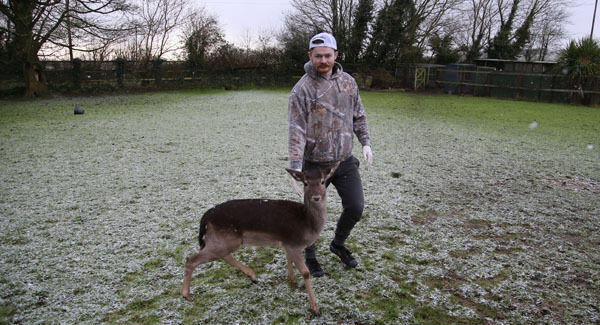
“It was a weekend night,” he says.
“I heard about a distressed fox and decided to help. She thought it was the best thing ever. I got rescue advice from Dan Donoher, the Kildare Animal Foundation wildlife hospital manager, and off we went.”
Pearse’s rescue went seamlessly. But what did the first-date couple do with the fox?
“I drove it to Dan’s house. He’d just finished putting his kids to bed when we arrived. He took it in and looked after it. It recovered at the shelter and was released back into the wild.”
Recalling that rescue of four years ago, Pearse laughs: “My car broke down on the road back to Dublin. The rescue took nearly eight hours from start to finish.”
Even so, he continued rescuing. Twenty-seven years of martial arts training helped this ardent animal protector to become adept at the task; a fact that’s reflected in the popularity of his wildlife rescue channel on YouTube, with one video garnering 1.5 million views.
His passion for animal welfare is shared by the entire team of rescuers with whom he works. Biomedical science student, Sophie O’Reilly, is one of that team.
Sophie has long been an advocate for animal rights. I know this, as she’s my daughter.
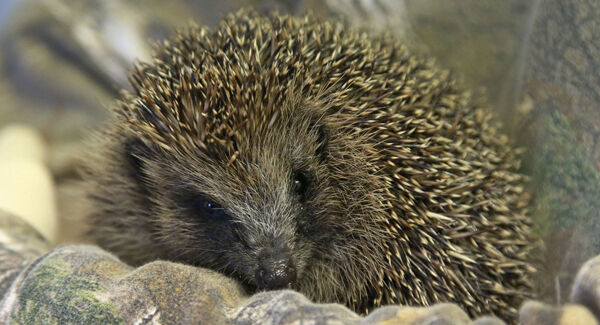
Her wildlife rehabilitation work involves caring for orphaned, ill and injured birds, hedgehogs, squirrels and other small mammals, before releasing them back into the wild.
She regularly lobbies and participates in peaceful marches, standing among fellow animal rights activists to urge governments and others to be kind to animals.
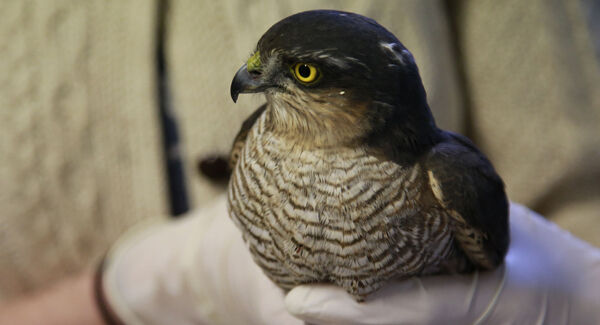
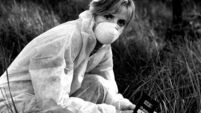
But she comes into her own when out rescuing ailing swans from rivers and Luas lines, foxes from barns and beneath sheds in suburban housing estates, and copious other forms of wildlife in their natural habitats.
A petite little lady, she doesn’t balk at carrying heavy swans, seals and foxes over relatively long distances when necessity requires.
As for ailing wildlife that need to come into care, I’ve yet to see any evade her.
Recalling a recent rescue in Meath she says: “It was late. A swan had hit an electricity pylon and was in trouble. We travelled by jeep over fields to the river where he was. Luckily the water was just thigh deep, so two of us waded in and pulled out the injured bird. Fishing line was dangling from his mouth. A lure was imbedded in his body and he had sustained burns.
“The landowners who called for our help set up a heat-lamp and made a bed of straw for the swan in their barn. They organised vet-care that saw the majestic bird back on the river within weeks.”
Her moonlit rescue of a badly injured seal-pup at Dun Laoghaire harbour on Halloween night saw a team of coastguards help her carry the 32kg animal she contained: “They kindly lifted it up over the harbour wall to my car, for transport to the seal sanctuary in Courtown,” she says.
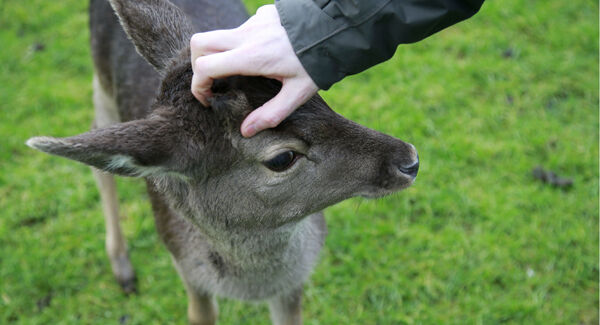
Asked why she rescues wildlife Sophie replies: “Because someone’s got to do it and there aren’t enough of us as it is. We’re a small team and if an animal’s in distress you don’t have much time to think about whether you’ll help or not. It’s time sensitive, so if you can at all, you just go.”
www.animalfoundation.ie
www.irishwildlifematters.ie www.batconservationireland
youtube.com/user/FiannaGym


CONNECT WITH US TODAY



Be the first to know the latest news and updates