Spike in Irish passport applications
Brexit has led to a record 822,000 Irish passports issued this year and the figure is expected to increase further in 2019.
The numbers applying for Irish passports in Britain spiked by 22% this year ahead of the March Brexit deadline.
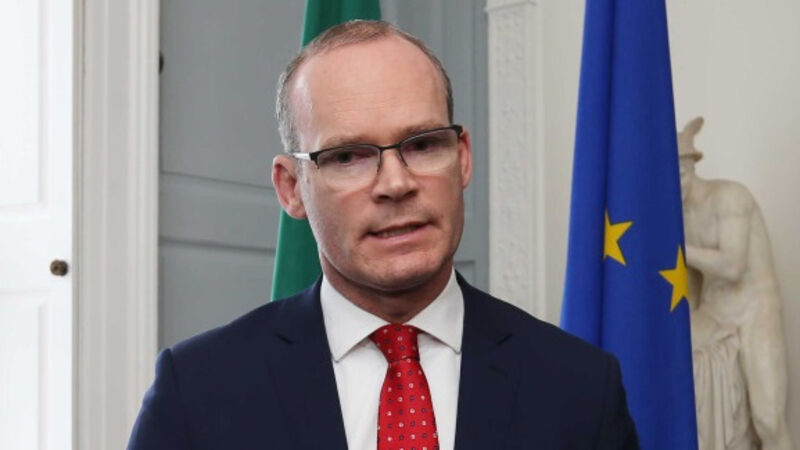
Tánaiste and Foreign Affairs Minister Simon Coveney said extra staff will now be employed as a further surge in passport applications is expected.
“We’re anticipating a significant increase again in terms of the number of people in Britain applying for Irish passports. Clearly, if there was a no-deal Brexit, that may well be a significant figure.
“We have to anticipate and prepare for that, and we are,” he said.
The number of applicants from Northern Ireland and Britain has significantly risen since the Brexit vote in June 2016.
Out of the total number of applications received this year by the passport service, 84,855 applications were from Northern Ireland and 98,544 applications were received from Britain.
The figures represent an increase of 2% and 22%, respectively, over 2017 figures.
During peak time, the passport service received more than 6,500 applications each day.
Around 300 extra staff will be recruited to deal with the upsurge.
With over 7,000 passports reported lost or stolen in 2018, the tánaiste also urged people to take care of official documents and said his department continues to work hard to prevent fraud.
Mr Coveney advised people to apply for new passports using the online system at off-peak times.
In 2018, the oldest person to use the online passport service was aged 99 while the youngest online applicant was just two weeks old.
“The department has worked hard in recent years to ensure we provide a modern, secure, and efficient passport service.
“However, it remains very important that prospective travellers check the validity of their passport before booking a trip overseas and apply for their passport in plenty of time.
“It’s important to note that many countries require incoming visitors to hold passports which are valid for at least six months,” Mr Coveney added