SDLP: British government is putting Northern Ireland's economy at risk in Brexit negotiations
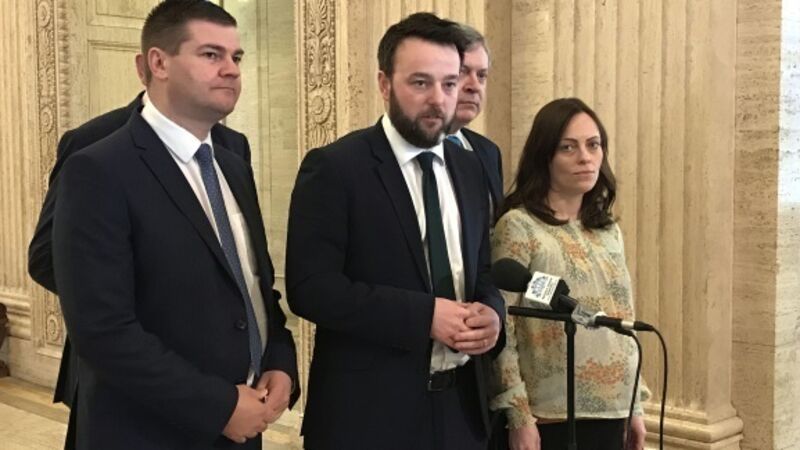
Matthew O'Toole, MLA and SDLP Brexit spokesperson, said the British government's negotiating mandate has "opted to put Northern Ireland's economy at risk" in order to indulge "the fixations of English nationalists and libertarian fantasists."
Mr O'Toole made his comments after the British government published their negotiation guidelines and threatened to walk away from EU trade talks if progress not made by June.
Boris Johnson has yet again opted to put Northern Ireland's economy at risk for the sake of indulging the fixations of English nationalists and libertarian fantasists.
— The SDLP (@SDLPlive) February 27, 2020
Read more from our Brexit spokesperson @MatthewOToole2 https://t.co/rf0faPHEtT pic.twitter.com/G5fSnnPk3M
In a statement the SDLP Brexit spokesman said: "The British Government’s negotiating mandate again underlines Boris Johnson’s dangerous indifference to Northern Ireland’s interests."
If any more evidence were needed of Boris Johnson's contempt for Northern Ireland, this document provides it.
The statement continues that by attempting to abandon the commitments made in the political declaration attached to the Brexit withdrawal agreement, the British government are "damaging the UK's already weakened global reputation," and have increased the risk of disruption to trade between Northern Ireland and Britain.
It's hard to draw any conclusion from today's negotiating document other than what a certain advisor was reported as saying: thiey simply don't care about Northern Ireland or its economy.
— Matthew O'Toole (@MatthewOToole2) February 27, 2020
Statement below. https://t.co/cmJPvdQQdR
The British government has revealed its plans for the trade talks ahead of the first round of negotiations on Monday, saying it “will not negotiate any arrangements in which the UK does not have control of its own laws and political life”.
It states the UK’s intention to rely on World Trade Organisation terms under an arrangement with the EU similar to Australia’s if progress on a comprehensive deal cannot be made.
CONNECT WITH US TODAY



Be the first to know the latest news and updates