Mortality rates up to 10 times higher for homeless people
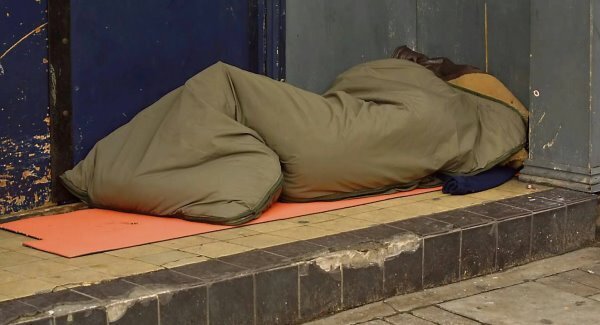
Mortality rates are three to 10 times higher among homeless men and six to 10 times higher among homeless women compared to the general population.
In what is described as the first Irish study of its type, researchers found that drugs and alcohol were implicated in almost six of 10 deaths.
The study documented and verified 201 deaths of homeless people in Dublin over a five-year period, 156 (78%) males and 45 females.
“Mortality rates among homeless persons are exceptionally high,” concludes the study, published in the British medical journal Open. “Services and programmes, particularly housing and those targeting overdose and alcoholism, are urgently needed to prevent premature mortality in this vulnerable population.”
The research, commissioned by the Dublin Region Homeless Executive, looked at 209 recorded deaths between 2011 and 2015 and verified 201 of them.
It was conducted by researchers at Trinity College Dublin, assisted by a member of the homeless executive and found:
- Half of the homeless men (78) were aged under 44, with 12 of them aged 18-24 and 66 aged 25-44;
- Nearly two-thirds of homeless women (29) were aged under 44, and all but one was aged 25-44;
- 50% died in a hospital, 30% died in a homeless service, and 11% died outdoors.
It says the mortality rates could be generalised to the whole country and are in line with international findings.
Drugs and alcohol accounted for 75 deaths (38%) and were implicated in a further 43 deaths — meaning a total of 118 (59%) deaths involved the substances.
It says opioids, such as heroin and methadone, were implicated in more than half of drug-related deaths.
“The high percentage of potentially avoidable deaths among homeless people from opioid overdose presents an opportunity for the development of possible preventative strategies,” it says, adding that public health initiatives such as naloxone, to prevent and reverse opioid drug overdose, “should be considered and expanded”.
The researchers conclude: “This study demonstrates dramatically higher mortality rates among men and women who were homeless.”
It says overdose from substance use was a “critical factor” in more than a third of verified deaths, with opioids being “over-represented”.
The study adds: “Homeless people are notably more likely to die by overdose than the general population. These findings should be taken into account when developing interventions to prevent mortality among homeless populations.”
Niamh Randall, head of advocacy and communications at housing group Respond, said: “This study provides further evidence of the negative impact of long-term homelessness and rough sleeping on people’s health and mortality. Clearly, the longer people remain stuck in homeless situations, the greater the impact on their health and wellbeing.”
CONNECT WITH US TODAY



Be the first to know the latest news and updates