MacCurtain’s death made Cork ‘epicentre’ of history
A meeting will be held in UCC tomorrow to plan for special centenary commemorations of the War of Independence and Civil War.
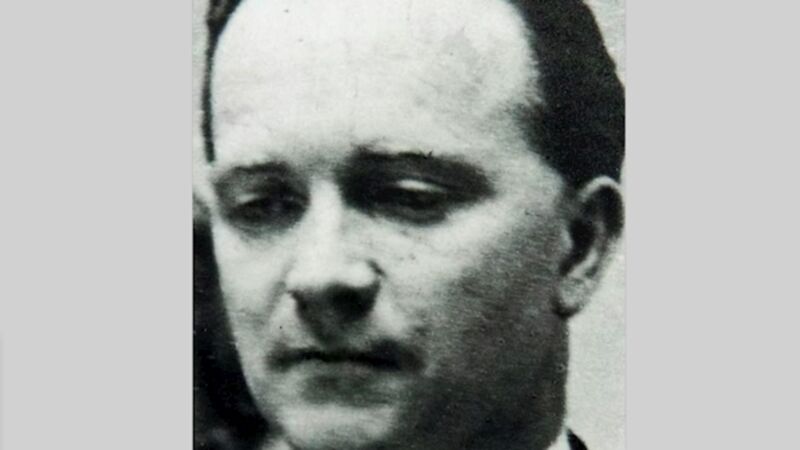
The date has been chosen because it marks one year to the day before the centenary of the death of Lord Mayor of Cork Tomás MacCurtain takes place.


Several academics and relations of those involved in the conflicts have been invited to attend the meeting, which takes place at 8pm in the G1 lecture theatre in UCC’s Kane Building. It is being organised by Gabriel Doherty, a lecturer in UCC’s School of History, who is urging any member of the public who has an interest in taking part to come along.
Mr Doherty is the co-ordinator of events relating to the ‘Decade of Centenaries’ — and in particular with regard to the rapidly-approaching series of significant centenaries that will take place in Cork.
He said the death of MacCurtin was by any standards an enormously important event, both in the life of the city and as part of the national struggle for independence.
“I’m keen to ensure, certainly from a UCC and also from a civic point of view, that it be commemorated in suitable fashion,” sid Mr Doherty. “I have been in contact with Fionnuala MacCurtain, grand-daughter of Tomás, and someone who has done sterling work over the years in keeping alive the memory of the life and achievements of her illustrious forebear, and together we hope to bring together all the significant elements in the life of the city to organise a suitable centenary commemoration.
“We have no doubt that the city council, and the Lord Mayor, will ultimately take on the co-ordinating and ‘driving’ role for the commemoration, so we see our role more as getting the ball rolling.”
He said that, after the killing of MacCurtain, Cork became an “epicentre” of what was happening in Irish politics for the next few years.
“You then had multiple attacks on crown forces, the battle of Kilmichael, and the burning of Cork,” he said.
He said the battle of Douglas and Rochestown, between Free State soldiers and Republican Forces, was the biggest single military engagement seen in Ireland since the 1798 rebellion.
It started on August 8, 1922, when 450 Free State soldiers disembarked from a ferry at Passage West and fought their way towards the city to recapture it from the Republicans.
After a few days of intense fighting the Republicans streamed out of Cork in disarray, leaving large sections of the city burning behind them.
IRA general Liam Lynch had brought his forces into the city in opposition to the Treaty.