Securing Ireland’s energy future through home-grown renewable power at the heart of BnM plans
Recent energy shocks have underscored the importance of developing Ireland’s indigenous energy sources.
Ireland has ambitious renewable energy and carbon-reduction targets, while electricity demand is expected to increase two-fold over the next 20 years as households and businesses move from fossil fuels to electricity-based solutions. Balancing that demand will require a significant expansion of renewable energy generation and the infrastructure needed to support it.
Meeting this requirement has been at the heart of Bord na Móna’s strategic pivot from one of Ireland’s largest fossil-fuel contributors to its largest generator of renewable electricity. That shift, coupled with concerns around energy security and rising prices, underpins the need for more indigenous energy sources to reduce Ireland’s reliance on imported fossil fuels.
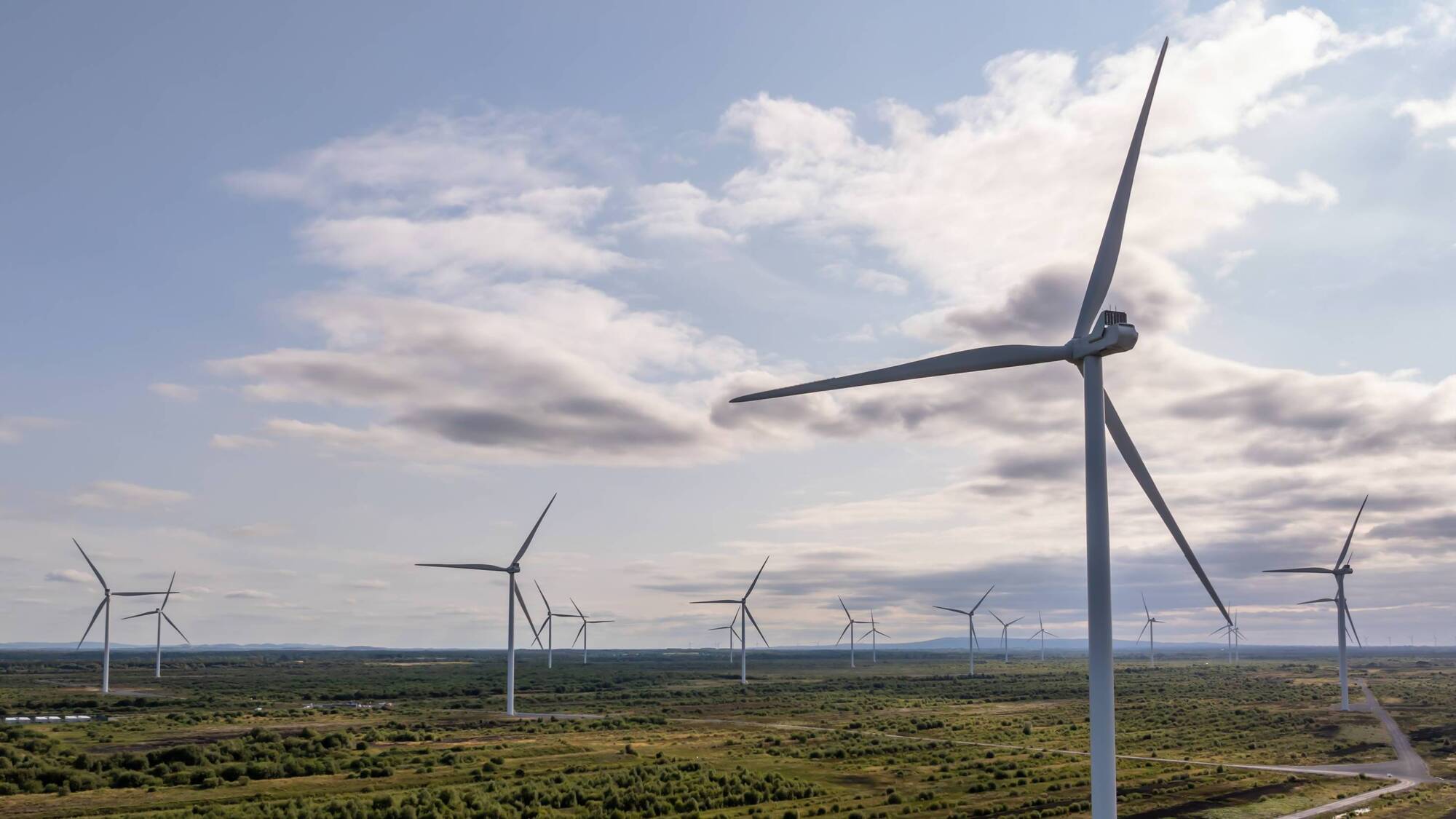
BnM operates more than 1GW of biomass, wind, solar and battery storage, with a further 6.5GW in development. Its 80,000-hectare land bank supports Ireland’s largest renewable energy pipeline across onshore and offshore wind, solar, storage and flexible generation. Together, these assets give BnM the scale to strengthen Ireland’s indigenous energy supply and help meet rising electricity demand.
According to Brendan Kelly, BnM’s head of commercial, this shift is being driven by the future needs of our energy system.
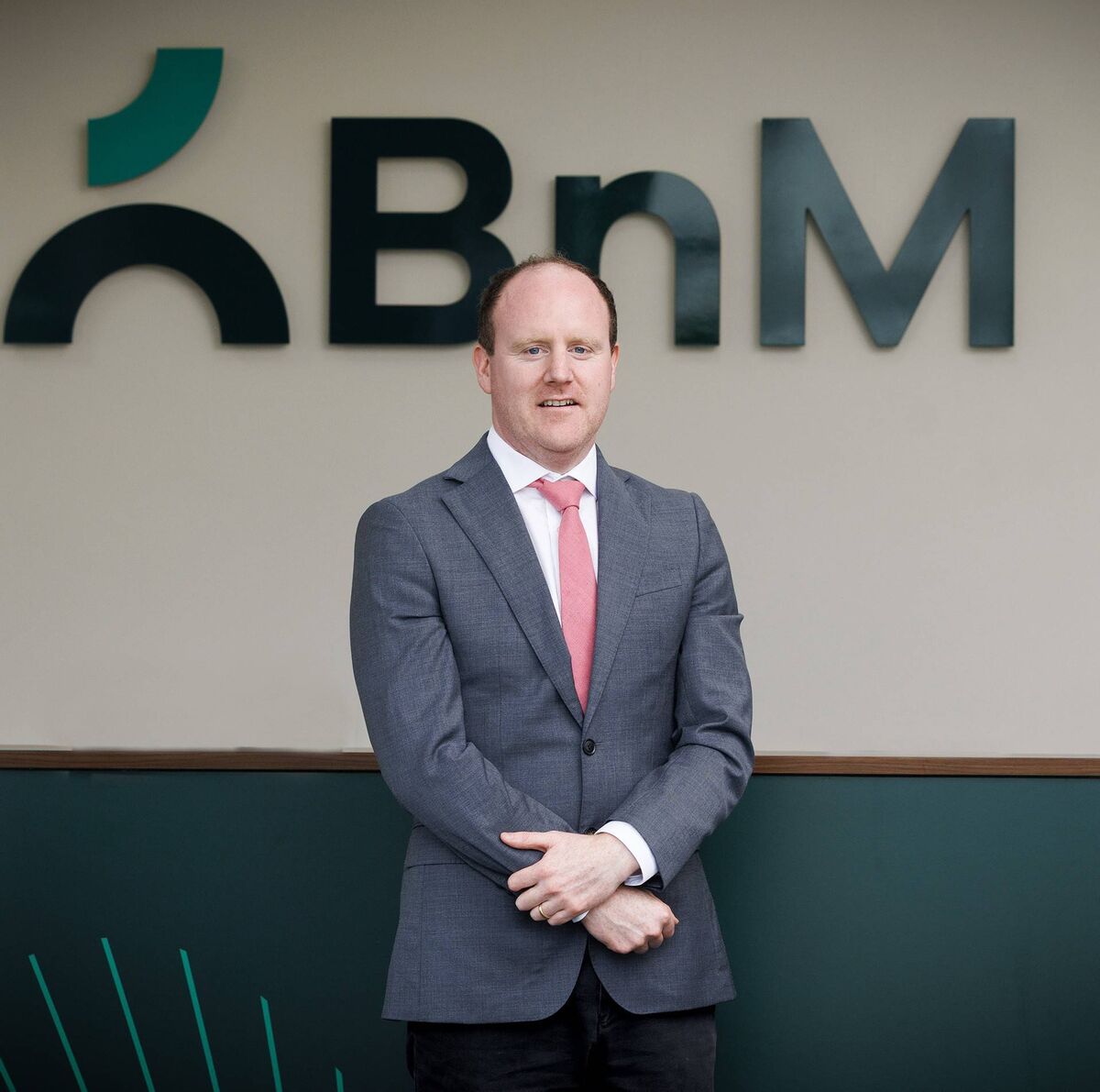
“We have moved away from peat, which was very carbon intensive, and have become the largest single renewable electricity generator on the island of Ireland,” he says. “We produce somewhere between 10 and 15 per cent of all renewable generation in Ireland, a huge sea change from 15 years ago, when we were the biggest contributor to fossil fuel emissions in the State.” The projects BnM is developing align with the technologies identified in national energy policy and support national ambition to move to an electrified society. The State’s ambition is to make renewables responsible for meeting 80 per cent of our electricity needs – we are now at about 40 per cent.
“We basically have to double the amount of renewables over the next decade or so to do that,” Kelly says. “But if we do that, we can reduce Ireland’s exposure to volatile international fossil-fuel prices and build a more secure and resilient electricity system over the longer term.” This is also essential to Ireland’s continued economic competitiveness, he adds.
What people may not realise is that Ireland, despite recent gains in renewable energy, imports 80 per cent of our energy needs as a country.
Recent energy shocks have underscored the importance of developing Ireland’s indigenous energy sources, Kelly notes. Price and supply disruption arising from the Covid-19 pandemic, Russia’s invasion of Ukraine, and more recent geopolitical conflict has demonstrated the consequences of relying on imported fuels. “People are seeing this in their energy bills and realising that the cost of fossil fuels is going only one way.” As Ireland moves away from fossil fuels, electrifying industry, transport and homes will significantly increase pressure on the electricity system. Delivering the grid capacity needed to support that transition – and securing public support for new energy infrastructure – will be among the country’s biggest challenges.
“This is absolutely critical,” Kelly asserts. “There are lots of projects that are ready to proceed but just can’t get to the finish line to be built because of the lack of grid capacity.” Thankfully, the Commission for Regulation of Utilities (CRU) last year approved a landmark programme of investment of up to €18.9 billion to significantly upgrade Ireland’s electricity grid and network through EirGrid and ESB.
“If Ireland can deliver on that investment in the next five to 10 years, it’ll set us up pretty well into the 2030s and 2040s,” Kelly says. “The best way to lower energy prices in Ireland over the medium to longer term is to build the infrastructure that can enable more renewables to efficiently connect to the grid.” BnM can play a critical role in enabling that infrastructure. Kelly says, “BnM has large tracts of land and former rail corridors, connecting stretches of between 60km and 80km through a single State landowner. These assets can support EirGrid and ESB in delivering infrastructure for the future and, in doing so, enable more generation and industry to connect to the grid.
BnM is also developing practical infrastructure solutions to address the growing mismatch between where electricity is generated and where it is consumed. While 80 per cent of Ireland’s electricity demand is on the eastern seaboard, much of its renewable energy generation is in the midlands, west and south. BnM’s Energy Park model brings renewable generation, storage, grid and enabling infrastructure together with industrial demand at strategic sites in the midlands. The model is designed to make better use of energy infrastructure while supporting industrial investment, employment and regional economic growth.
This also aligns with the goals of the Government’s Large Energy User Action Plan and semiconductor strategy, he says.
Achieving national objectives can only be done by building meaningful partnerships with local communities and stakeholders. Projects such as Derrinlough Wind Farm and Timahoe North Solar Farm demonstrate the diversity of technologies in BnM’s portfolio and its transformation from fossil to renewable energy.
The drive for renewables is a national objective that affects every person in the country, but, perhaps even more directly, the people who live in the very communities where these energy projects are based. Kelly admits that public acceptability of infrastructure is one of the “biggest challenges” Ireland faces, but adds that he is proud of BnM’s engagement with the communities in which it works. For BnM, that means ensuring that communities share in the benefits of renewable energy development through community funding, amenities and local investment.
This year alone the company’s Community Benefit Funds are expected to provide more than €1.9 million for education, community energy and local amenities. Projects supported include playgrounds, walkways, blueways and greenways, and Kelly points out that park runs are taking place on some of their wind farm sites.
Community benefit also sits alongside nature recovery. Kelly says, “Typically less than five per cent of a wind farm site is used for renewable energy infrastructure, ensuring the vast majority of the land can continue to support nature recovery.” Surrounding landscapes can be restored as wetland, peatland and woodland habitats, supporting biodiversity.
Accelerating its renewables pipeline is a matter of urgency for BnM. Kelly cites the devastating wildfires that occurred around Europe this past summer as yet another stark reminder that we are living through the realities of climate change.
“It’s all about building more renewables and reducing our dependence on fossil fuels – it’s that simple,” he says. “If we do that, we can become more energy independent, reduce our exposure to geopolitical events and volatile energy prices, and support long-term economic growth.
“BnM has a huge role to play, and we are determined to put our land bank to work to deliver more indigenous renewable energy and a more secure, resilient energy system.”