Safe2Eat 2026: Helping Irish people make safer, smarter food choices this summer
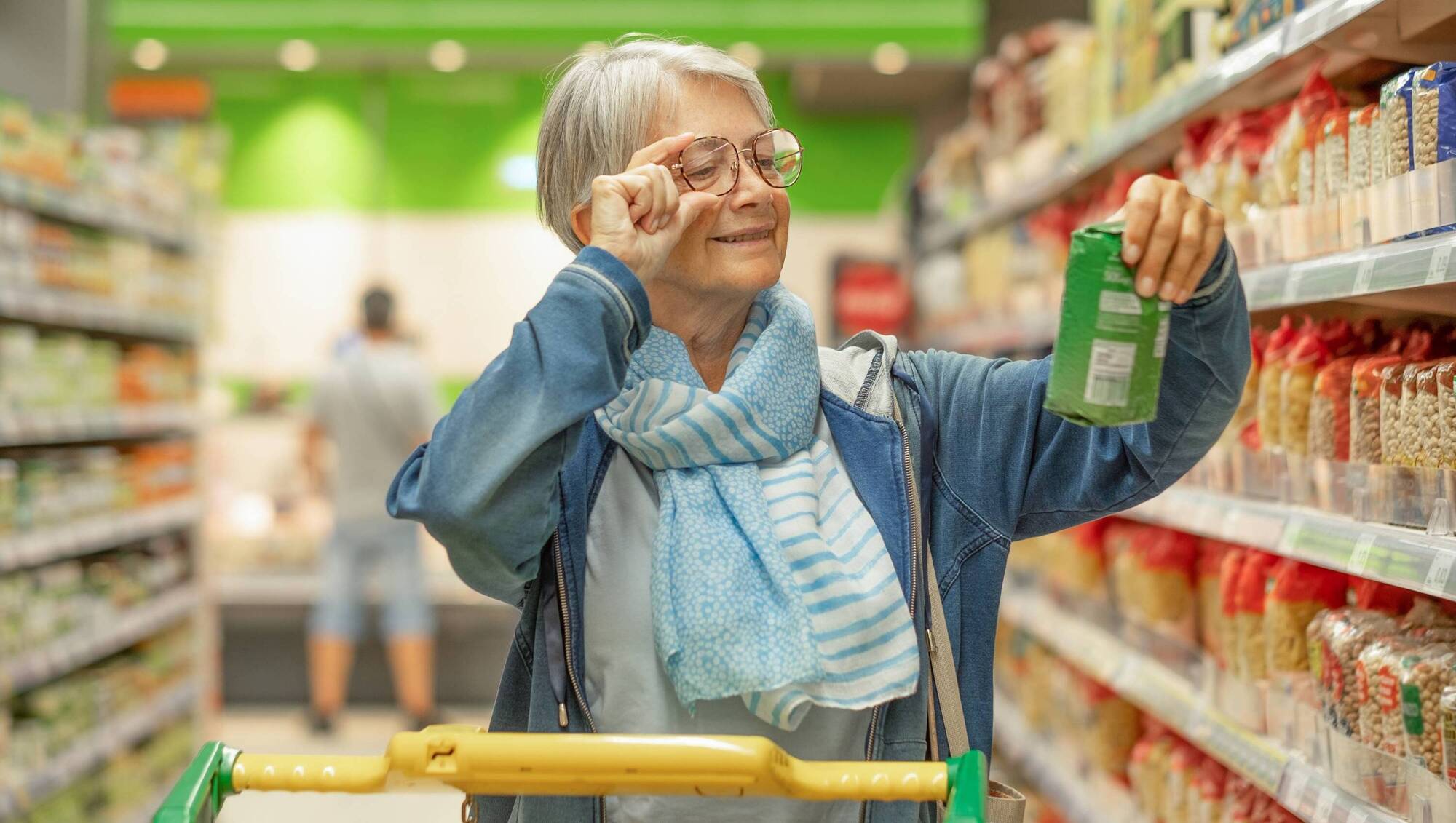
A key theme of this year’s Safe2Eat campaign is helping people better understand allergens, ingredients and food information so they can make safer decisions when shopping, cooking or eating out.
As summer approaches, many households are looking forward to long evenings, family gatherings, barbecues, and meals shared outdoors. Food is at the heart of many of these moments, bringing people together to celebrate, connect and enjoy the season. But with more food being prepared and eaten outdoors during warmer weather, summer also brings added food safety considerations.
To help people make informed and confident choices about the food they eat, Ireland is part of the 2026 Safe2Eat campaign, a major European initiative led by the European Food Safety Authority (EFSA) and supported in Ireland by Safefood.
Now in its sixth year, the campaign provides practical, science-based advice that helps people better understand what is in their food, how to handle it safely and how to reduce the risk of food poisoning at home.
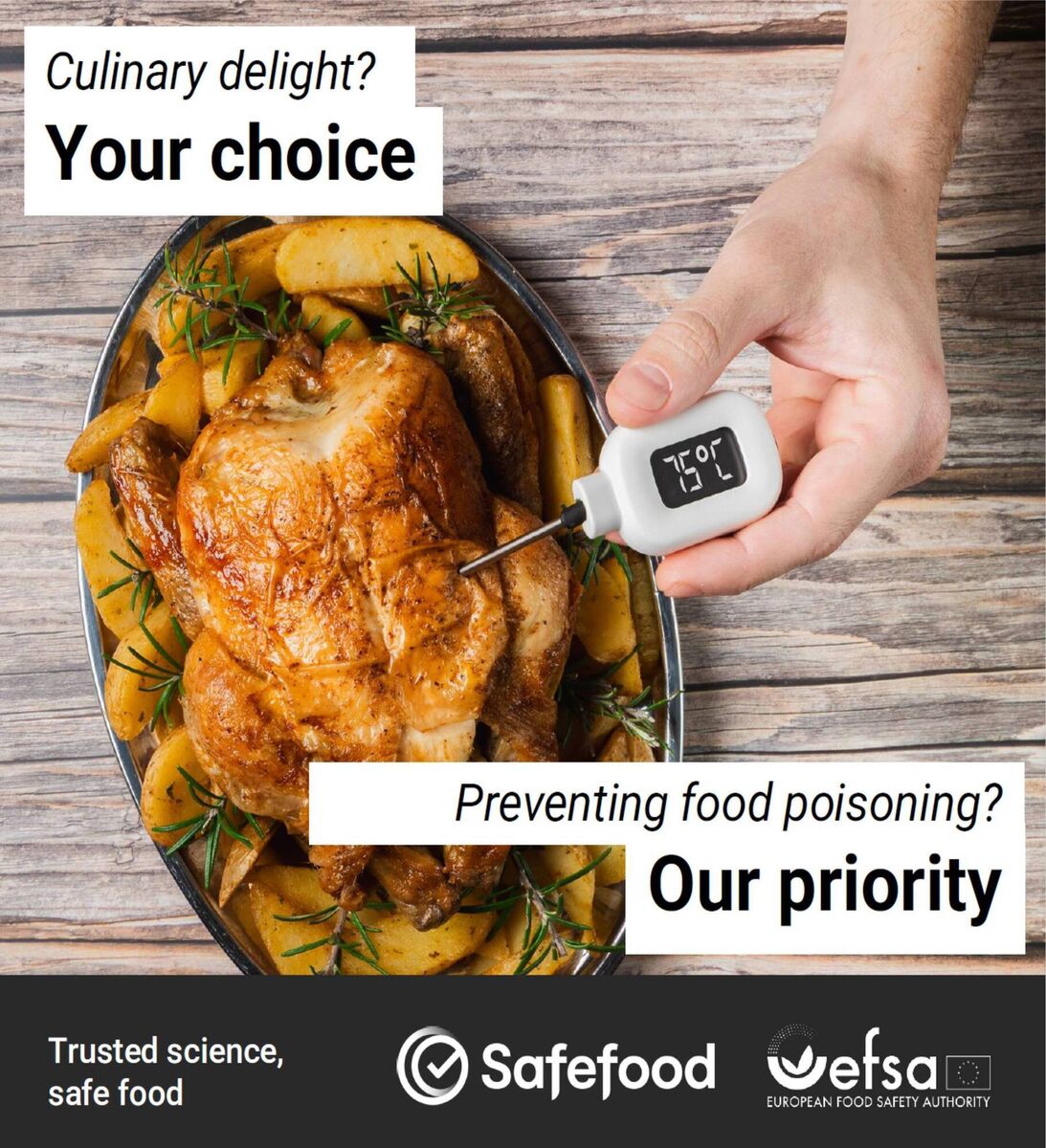
Running from April to July across 23 countries, Safe2Eat focuses on making food safety part of everyday life. Whether people are shopping for groceries, reading food labels, preparing meals at home or dining out with family and friends, the campaign helps people to understand the EU’s role in food safety while also encouraging them to think more carefully about the food they eat and the choices they make.
One of the key themes of this year’s Safe2Eat campaign is helping people better understand allergens, ingredients and food information so they can make safer decisions when shopping, cooking or eating out.
While many ingredients are perfectly safe for most people, some can pose serious health risks to individuals with allergies or intolerances. This is why food allergen labelling is such an important part of food safety regulation.
European legislation requires food businesses to clearly identify allergens on packaged foods and provide allergen information for non-prepacked foods and restaurant menus. This allows people with allergies or intolerances to make informed and safe food choices.
There are 14 allergens that must be declared in the EU if they are used as ingredients in food. These include cereals containing gluten, eggs, milk, peanuts, nuts, fish, soybeans, crustaceans, celery, mustard, sesame seeds, sulphites, lupin and molluscs.
For people with food allergies, even tiny amounts of an allergen can trigger reactions, from mild irritation and rashes to breathing difficulties and anaphylaxis.
The Safe2Eat campaign encourages people to take time to read labels carefully, ask questions when eating out and become more familiar with allergen information.
Food poisoning affects thousands of people every year and can occur when food becomes contaminated with harmful bacteria, viruses or parasites.
This can happen when food is not cooked or reheated properly, when it is handled by someone who has not washed their hands, when food is left out at unsafe temperatures or when bacteria are transferred from raw to cooked foods. The Safe2Eat campaign highlights the importance of proper food handling and kitchen hygiene, particularly during the summer months when BBQs, picnics and outdoor dining become more common.
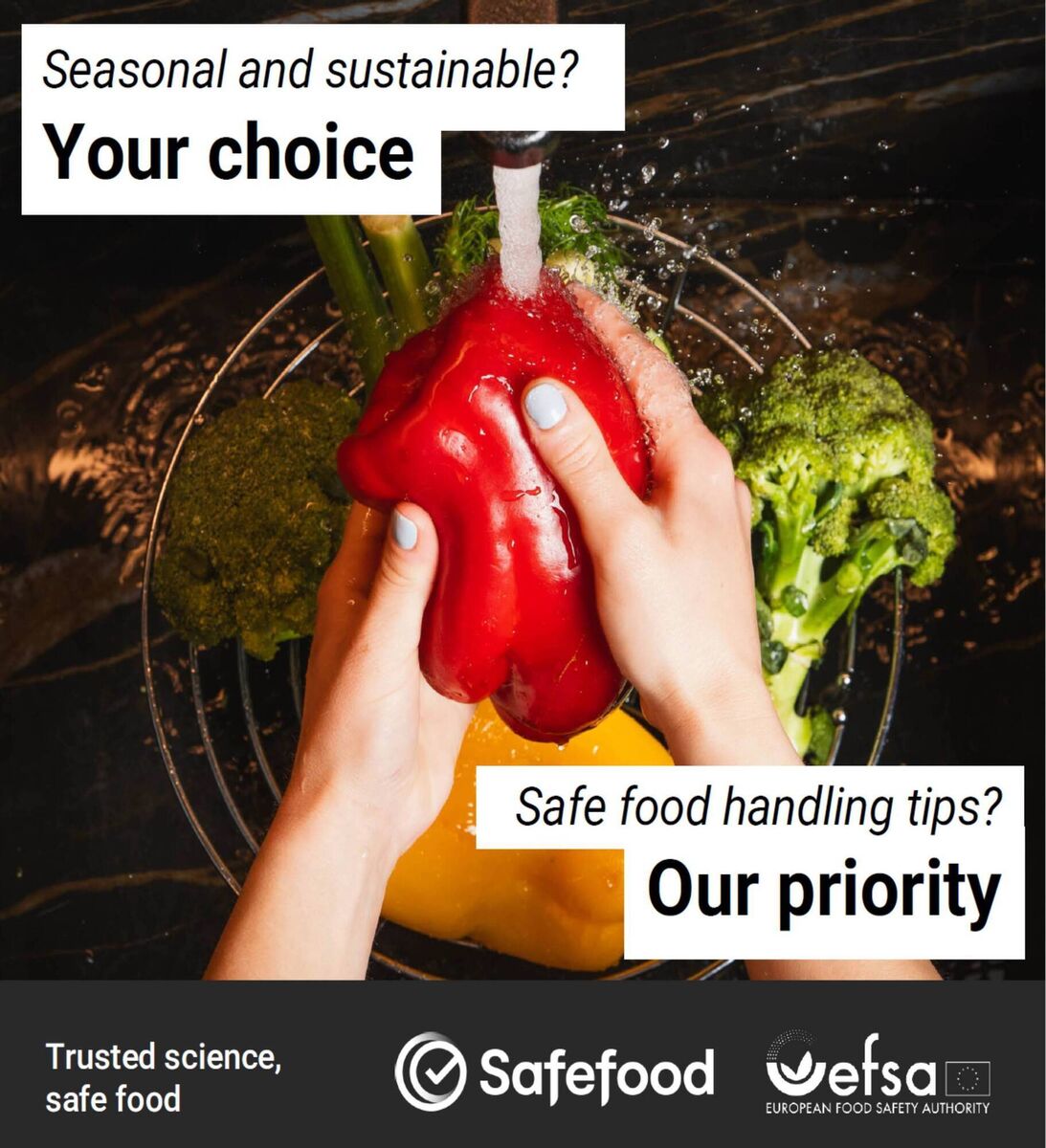
These include:
- Wash your hands with warm soapy water before, and especially after, handling raw meat or chicken, fish or eggs.
- Separate raw and cooked food to avoid cross-contamination.
- Cook thoroughly, especially meat, poultry and fish or seafood. Keep food at safe temperatures.
- Defrost food properly.
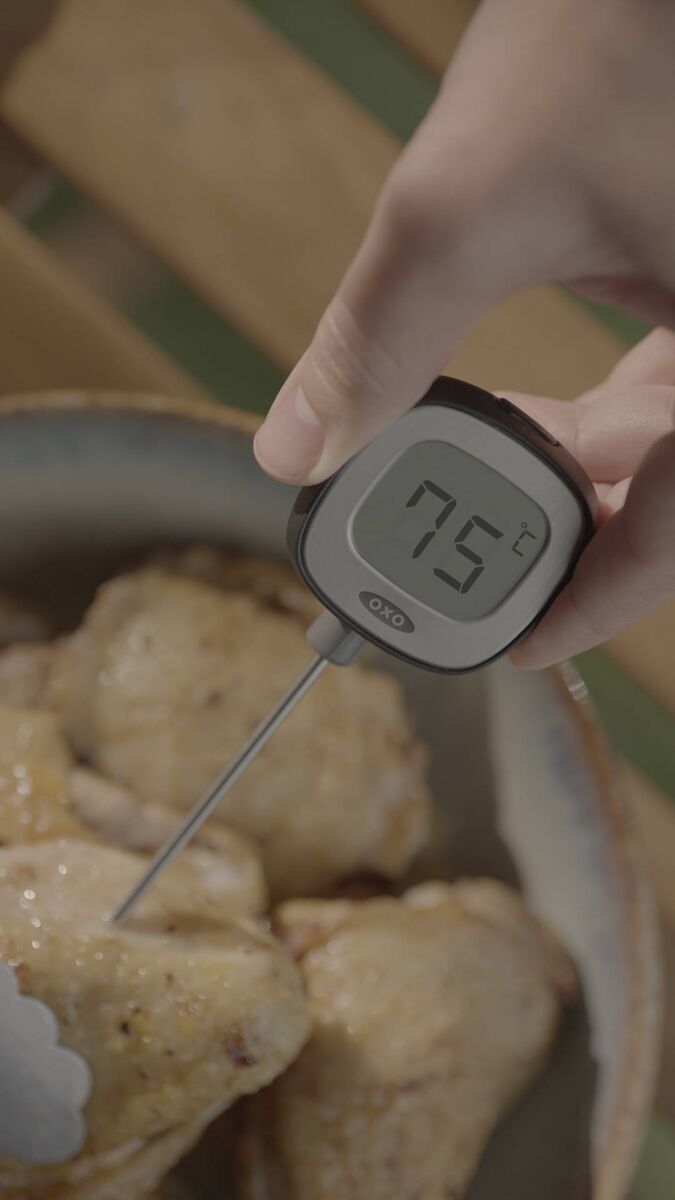
Meat (chicken, turkey, burgers, sausages, pork and kebabs) should be cooked to 75°C at the centre of the thickest part of the meat. If a thermometer is not available, chicken should be piping hot throughout, with no pink meat remaining and juices running clear.
Cross-contamination remains a common cause of food poisoning at home. Raw chicken and meat should always be stored and prepared separately from salads, bread, and other ready-to-eat foods. Utensils, chopping boards, and plates used for raw meat should never be reused for cooked food without being thoroughly washed first. The campaign also raises awareness of common foodborne bacteria, including Salmonella, Campylobacter, E. coli (Shiga toxin-producing E. coli (STEC)) and Listeria.
The foods with the highest risks of Salmonella are beef, poultry (chicken, turkey, duck and goose), eggs and egg products and raw milk. It can cause fever, diarrhoea and abdominal cramps. It can be killed by proper cooking, but contamination can still occur through improper handling of cooked foods and/or their contact with raw products.
Campylobacter, one of the most common causes of food poisoning, is caused by a type of bacteria found in raw or undercooked poultry, unpasteurised milk and untreated water. It can be killed by proper cooking (temperatures above 75°C), but it can spread through cross-contamination during storage and handling E. coli is a large group of bacteria that can be found in the guts of animals and humans. Some strains of E. coli can cause serious disease in humans, while causing no illness in these animals. To protect against E.coli, always cook meat, particularly minced meat products, to 75°C to make sure they are fully cooked.
Listeria, meanwhile, is a resilient bacterium that thrives in the environment and can even multiply at cold temperatures — like those in fridges. It can contaminate both raw and cooked foods, especially highly processed products like cold cuts, soft cheeses, smoked fish, and ready-to-eat meals.
Safe food handling, refrigeration and eating prepared food within 2 hours helps protect against food poisoning. Vulnerable groups — like the elderly, young children, pregnant women and those with compromised immune systems — should take particular care with chilled ready-to-eat foods.
Speaking about the campaign, Joanne Uí Chrualaoich, CEO of Safefood, said: “Safe2Eat plays an important role in helping people across Ireland make informed decisions about the food they eat every day, giving them confidence and trust in the safety of their food. Partnering with EFSA is an important partnership to support protecting public health.
“As we head into the sociable summer months — with BBQs, family gatherings and outdoor eating — it’s especially important that people have clear, practical advice to help them prepare and handle food safely. This campaign helps make food safety simple and part of everyday life.”
The campaign also reflects growing public interest in food transparency and people awareness.
Nikolaus Kriz, executive director of EFSA added: “Every day, people make choices about what to eat, and they deserve to feel safe and informed. Safe2Eat 2026 turns complex scientific knowledge into practical, easy-to-use advice on handling, preparing, and understanding what’s in their food, from additives and flavourings to novel ingredients and allergens.
By providing guidance people can apply at home or in daily life, the campaign promotes critical thinking, empowers citizens, and strengthens confidence in the EU’s science-based food safety system, helping everyone make safe, informed choices.”
Building on the success of previous years, Safe2Eat 2026 continues to expand its reach across Europe, reinforcing the importance of accessible, science-based information in helping people better understand food allergens, avoid food poisoning and practise safer food handling every day.
You can learn more by visiting efsa.europa.eu/en/safe2eat and following the conversation online using #Safe2EatEU. Or go to Safefood.net for information on safe and healthy food.