‘Inexplicable’ order led to train collision in which at least 68 people died
One high-speed Spanish train slammed into another that had stopped on the tracks on Wednesday, killing at least 68 peopleand tearing apart carriages in the country’s second deadly rail collision this year.
The regional government of Castilla-La Mancha confirmed the death toll and said another 58 people needed hospital treatment. Rescue workers continued searching the wreckage for survivors and bodies.
The accident came as memories remained fresh of another high-speed train collision in southern Spain in January, involving trains from the same two companies.
Spain’s rail system operator, ADIF, said the crash occurred on Wednesday morning in the province of Toledo. It involved two high-speed trains carrying hundreds of passengers travelling in the same direction, from Madrid to Seville in south-western Spain.
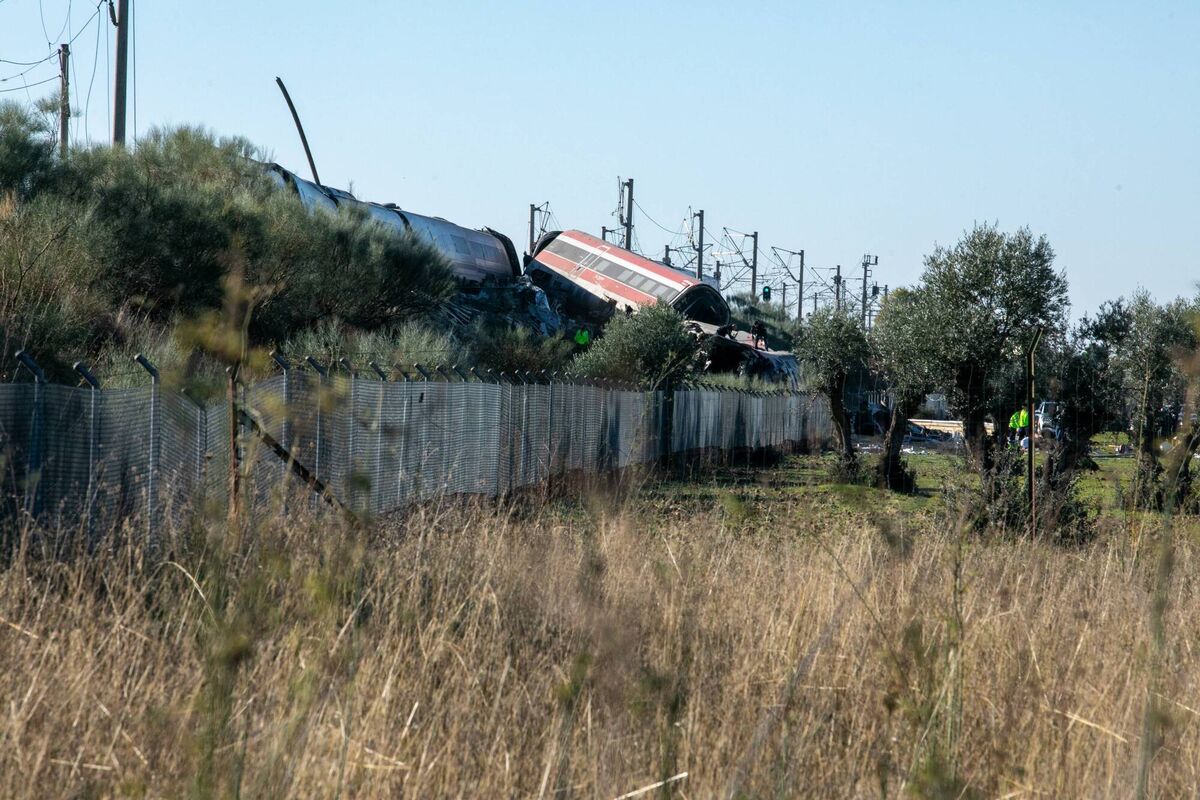
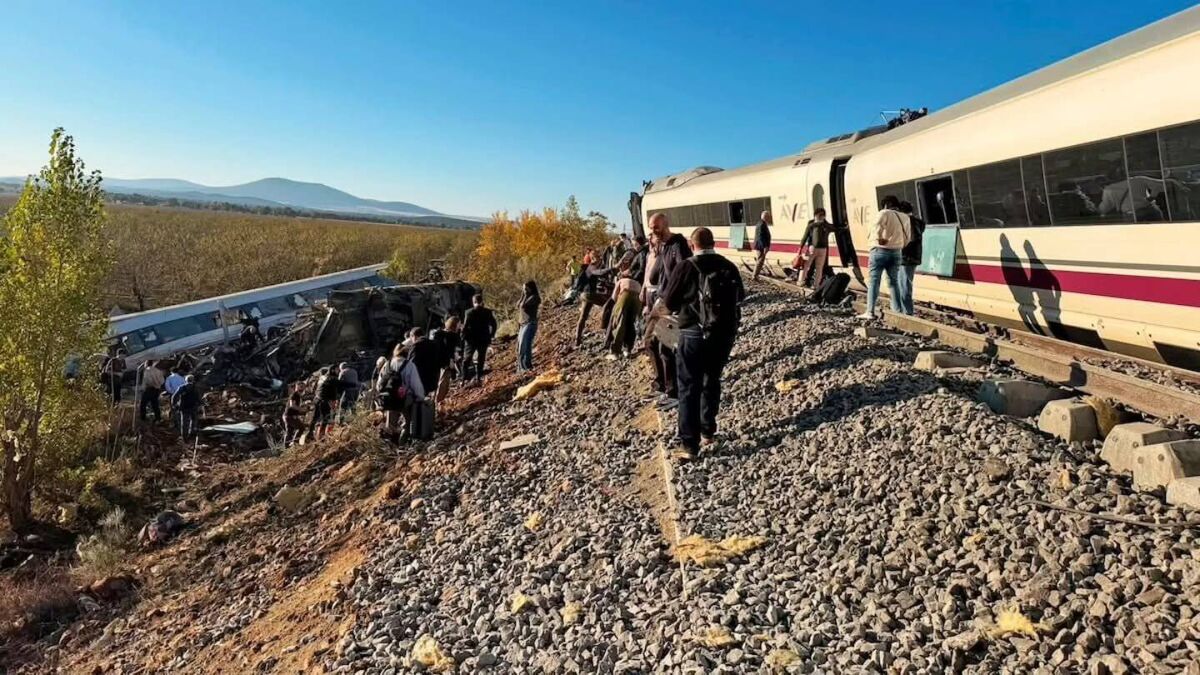
One train, operated by state-owned RENFE, struck the rear of a train operated by private company IRYO that had stopped, derailing two carriages in a rural area between two villages.
Spain’s transport minister, Oscar Puente, said the accident followed what he called an “inexplicable” order from the central command centre for the country’s rail network after a safety system failed. He said the train drivers were not to blame.
Mr Puente said that at 8.30am, a safety system on a 39-mile stretch of track stopped working because of a computer malfunction, forcing all trains on that section to stop.
However, the central command centre told the RENFE train to resume running without any speed restrictions. It collided with the stationary IRYO train at 8.53am.
Read More
Mr Puente said the train should never have been told to move again while a “stop signal” remained active on the line. If it had been allowed to proceed, he said, it should at least have been instructed to travel at a reduced speed.
The minister said officials were still examining information to establish how fast the train had been travelling, but it could have been moving at 124mph on that stretch of track.
“I am not attributing responsibility to anyone, I am just stating the facts,” Mr Puente said.
The crash occurred on a flat stretch of track surrounded by olive fields between the towns of Urda and Los Yébenes. One carriage was torn into pieces of metal and other material, scattering debris down a gravel slope.
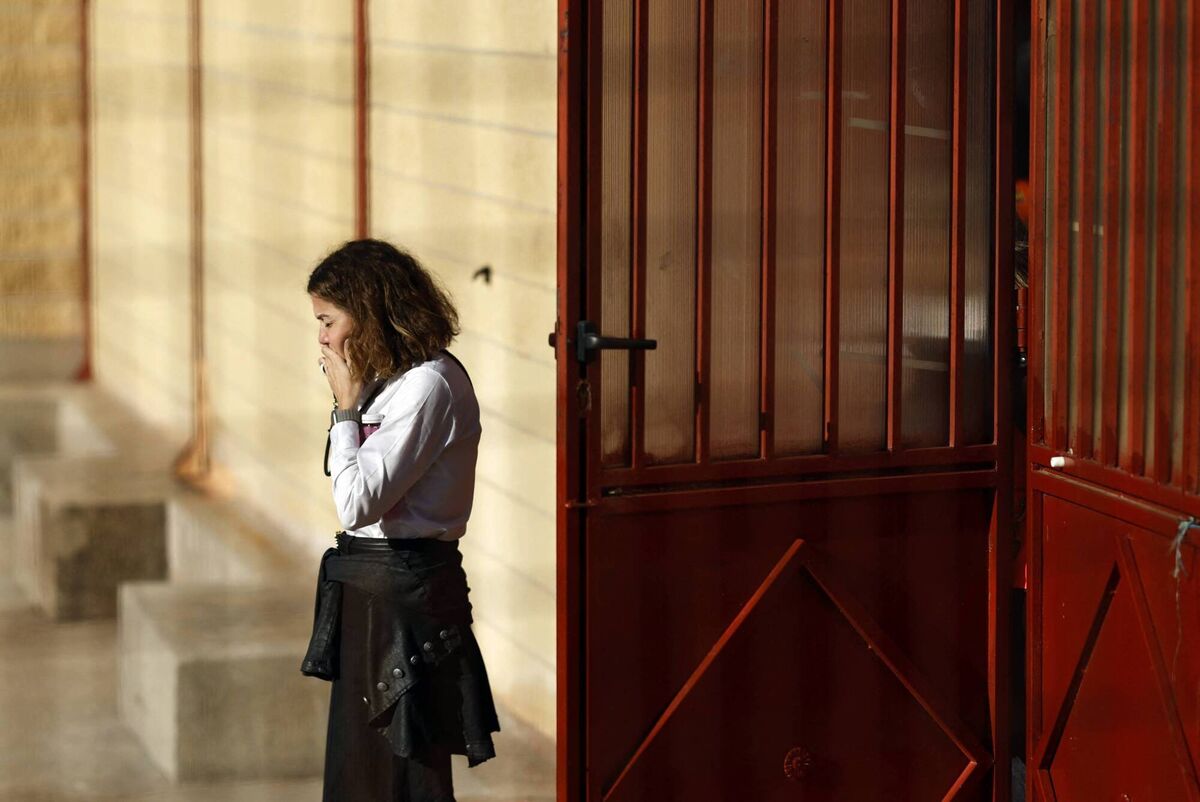
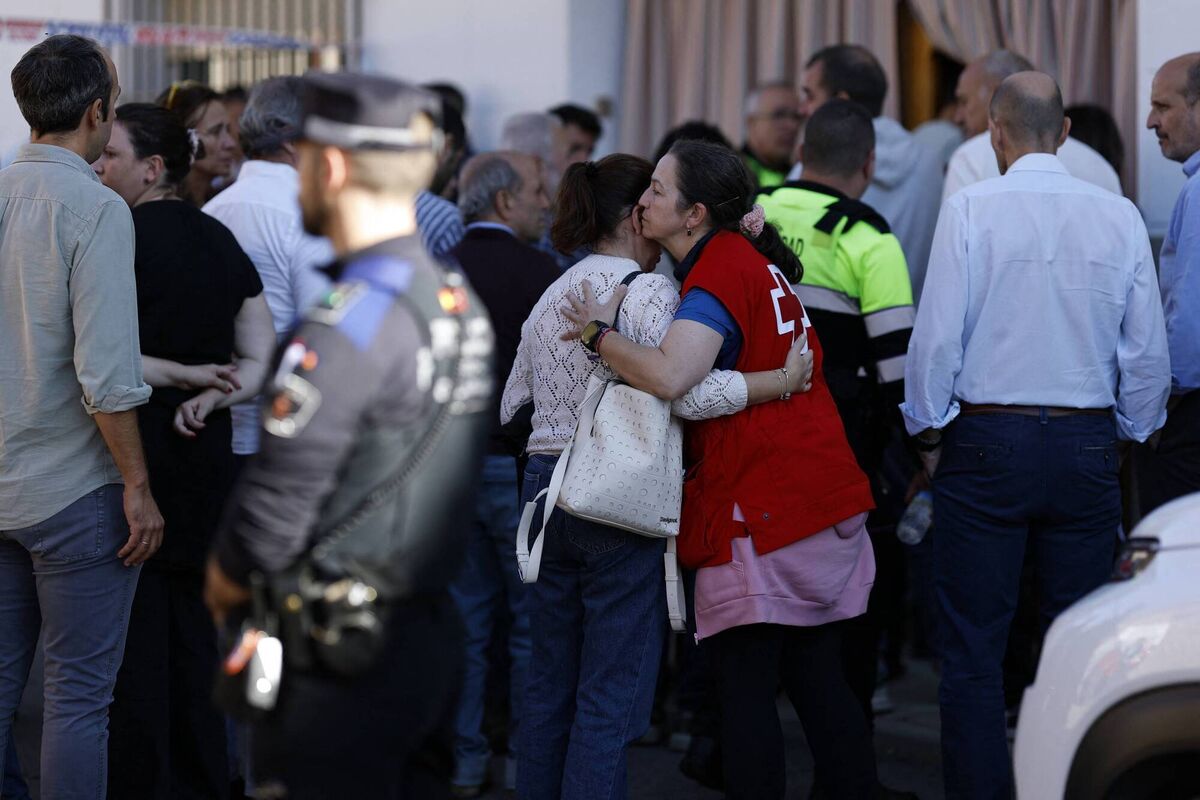
Spanish health minister Monica García said emergency workers were concentrating on recovering survivors and bodies from the two most severely damaged carriages. She said injured passengers were being taken to hospitals in the area.
“It was a high-speed impact, so we are expecting this to be a tragedy,” Ms García said.
Passenger Ignacio Relano was travelling on the RENFE train. He told state broadcaster TVE that the train had stopped briefly on the line before starting again and then colliding with the IRYO train.
“We all felt the train abruptly slowing down and then the impact,” he said. “The car leaned to one side like it was about to tip over. I hit my nose, everything went flying, luggage, cell phones. Everything shook.”
Over recent decades, Spain has invested heavily in high-speed rail. The country’s railway union defines high-speed rail as lines used by trains travelling at 250kph (155mph) or faster, making Spain a world leader in the sector.
Spain has laid about 2,400 miles of such track over more than three decades to serve its population of 49 million. Only China, with 28,000 miles of high-speed track for its 1.4 billion people, has more, according to the International Union of Railways.

CONNECT WITH US TODAY



Be the first to know the latest news and updates