Elon Musk becomes world’s first trillionaire after SpaceX mega float
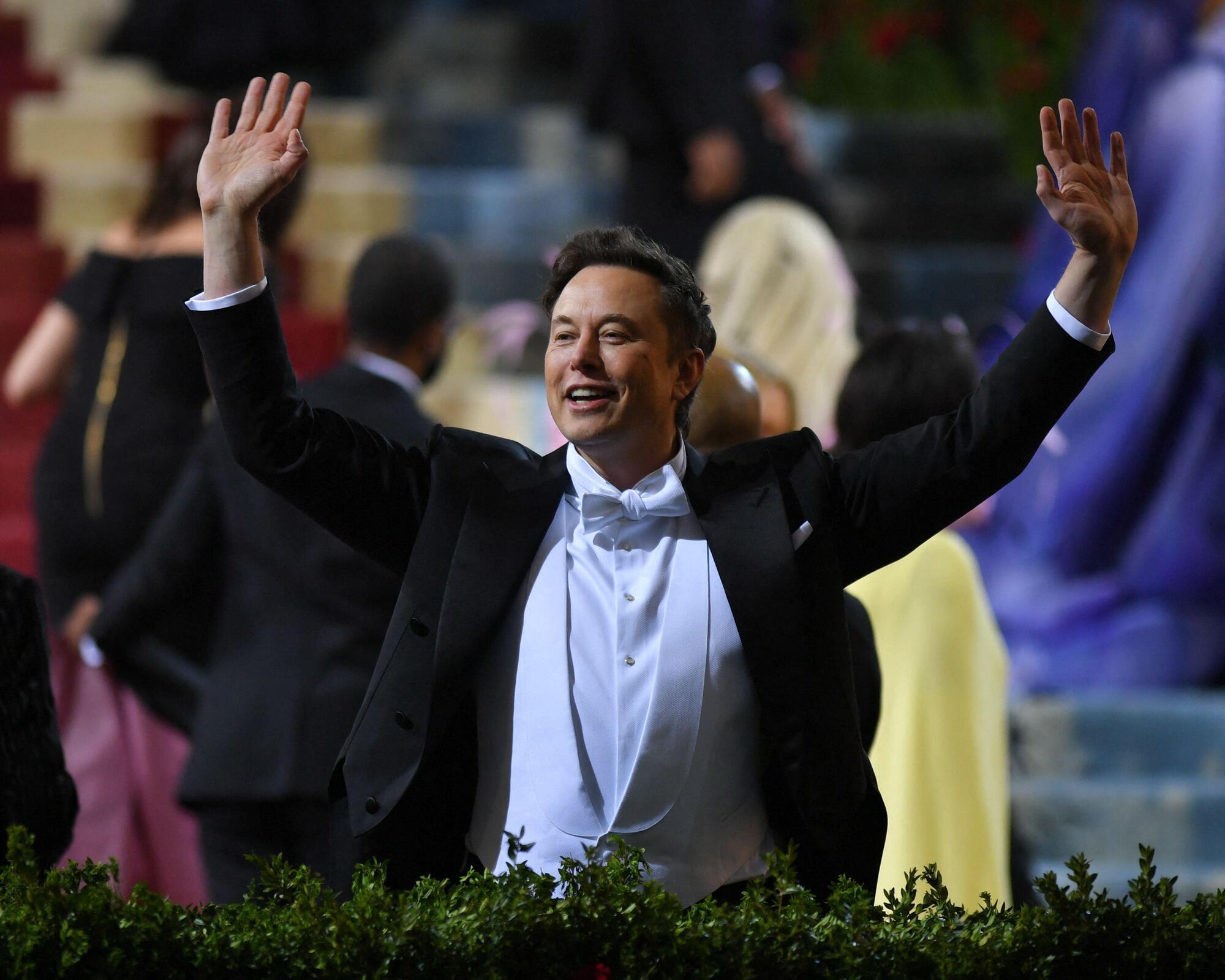
The blockbuster float of Elon Musk’s SpaceX company has made him the world’s first ever paper trillionaire (Alamy/PA)
Elon Musk is never far from the headlines, and now the Tesla and X owner is making history once again after the blockbuster float of his SpaceX company has made him the world’s first-ever paper trillionaire.
The 54-year-old’s net worth was estimated at $982.6bn (€849bn) before the float, according to Forbes, which has swelled to more than $1trn after the record-breaking initial public offering (IPO).
His fortune has been boosted by the sky-high valuation of his rocket and artificial intelligence (AI) firm SpaceX, in which he has a 38% stake in total, worth $688bn at the initial IPO price, even before shares rocketed on opening.
This adds to his shares in Tesla, social media platform X – formerly known as Twitter – and smaller stakes in his brain interface startup Neuralink and his tunnelling firm Boring Company.

It means he has eclipsed many of his tech counterparts, with the combined net worth of Forbes listed top ranking billionaires – Google co-founders Larry Page and Sergei Brin, Amazon founder Jeff Bezos and Oracle chairman Larry Ellison – having a combined fortune of $1.04trn between them.
But his mammoth personal wealth comes at a time when he has once again been stoking controversy on British shores.
In a series of social media posts, Mr Musk has joined the likes of far-right activist Tommy Robinson in highlighting demands for people to take to the streets in response to this month’s knife attack in Belfast.
British prime minister Keir Starmer vowed to “crack down on anyone who is fuelling this division” amid criticism of Mr Musk and the role played by social media in inciting violence.
It is not the first time he has waded into British politics and contentious UK issues, or indeed picked battles with politicians – and others – across the world.
But it is his “cult-like status” that has resonated with retail investors for the SpaceX float, according to XTB’s Kathleen Brooks, with the firm offering an unusually high proportion of shares in the offer to retail investors – thought to be around 20% to 25% – alongside large institutional players.
SpaceX is setting itself some bold aims – from colonising Mars to deploying AI data centres in space – and many are keen to buy into Mr Musk’s vision.
As founder, chairman and chief executive of SpaceX, Mr Musk will have an unusual amount of influence over what is now a publicly listed company.
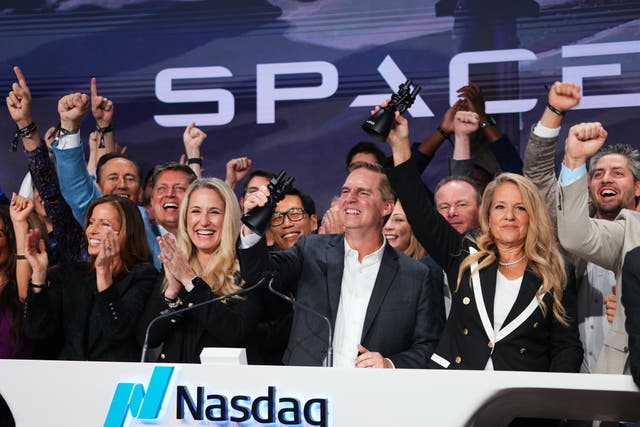
He not only owns a sizeable stake in class A shares, but also more than 90% of the so-called class B shares, which give the holder 10 votes for every share held.
This gives him a significant majority control over the firm’s voting power following the IPO and is likely to mean he is effectively immune from being fired unless he consents.
The success of SpaceX marks the latest in a raft of successful ventures.
Mr Musk was born into a wealthy family in Pretoria, South Africa, with his engineer father, Errol, having once part-owned a Zambian emerald mine.
Aside from his not-so-humble beginnings, the tech pioneer showed an early aptitude with computers and designed his own video game at just 12 years old.
Together with his brother Kimbal, Mr Musk launched his first entrepreneurial foray by co-founding an online business directory called Zip2 in the mid-1990s.
The brothers went on to sell Zip2 to computer maker Compaq for $307m in 1999, netting Mr Musk a whopping $22m.
He swiftly reinvested his Zip2 cash into an online banking startup called X.com, which merged with payments firm Confinity in 2000 to form a business that would later become PayPal.
Despite a chequered tenure at the group, which ended with him being fired as chief executive, Mr Musk made a $180m fortune when PayPal was later sold to eBay.
Flush with cash, Mr Musk founded SpaceX in 2002, followed just a year later with a $6m investment in the then-fledgling car company Tesla.
He bought Twitter for $44bn in 2022 before rebranding it as X, marking one of his most controversial investments to date.

CONNECT WITH US TODAY



Be the first to know the latest news and updates