Israel warns Iranians not to use trains as Trump deadline looms
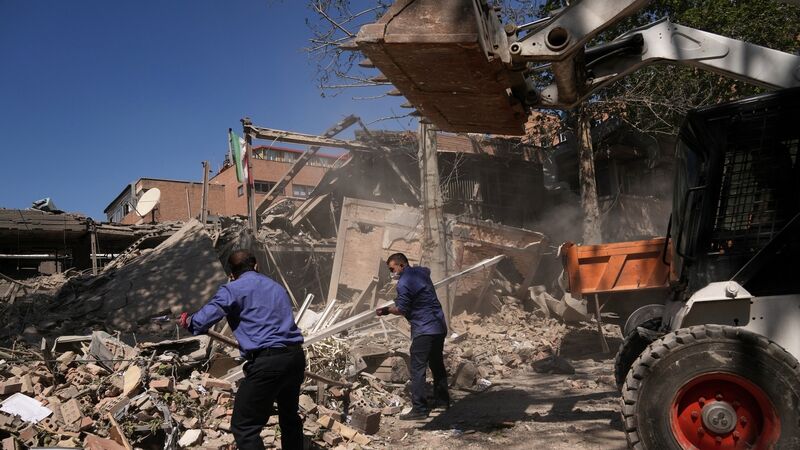
Workers remove debris at Tehran's Sharif University of Technology complex that Iranian authorities say was hit early Monday by a U.S.-Israeli strike, in Tehran, Iran, Monday, April 6, 2026. (AP Photo/Francisco Seco)
Israel has warned Iranians their lives will be at risk if they use the country’s railways on Tuesday before the end of a negotiations deadline imposed by Donald Trump with a threat to destroy Iran’s bridges and power plants.
Israel’s military, writing in Farsi, said in a social media post that “from this moment” – 8.50am Iran time – until 9pm, Iranians should refrain from “travelling by train throughout Iran” for the sake of their own security.
“Your presence on trains and near railway lines endangers your life,” the statement continued in a clear warning that stations and tracks normally used by civilians could be bombed on Tuesday.
The threat came hours before an ultimatum set by the US president expires at 8pm ET on Tuesday – 4.30am on Wednesday in Iran (1am Irish time) – in an attempt to force major concessions from Iran with the threat of escalation.
Read More
At a White House press conference on Monday, Trump said Iran “can be taken out in one night and that night might be tomorrow”, reiterating threats to bomb its power plants and bridges in a concentrated attack.
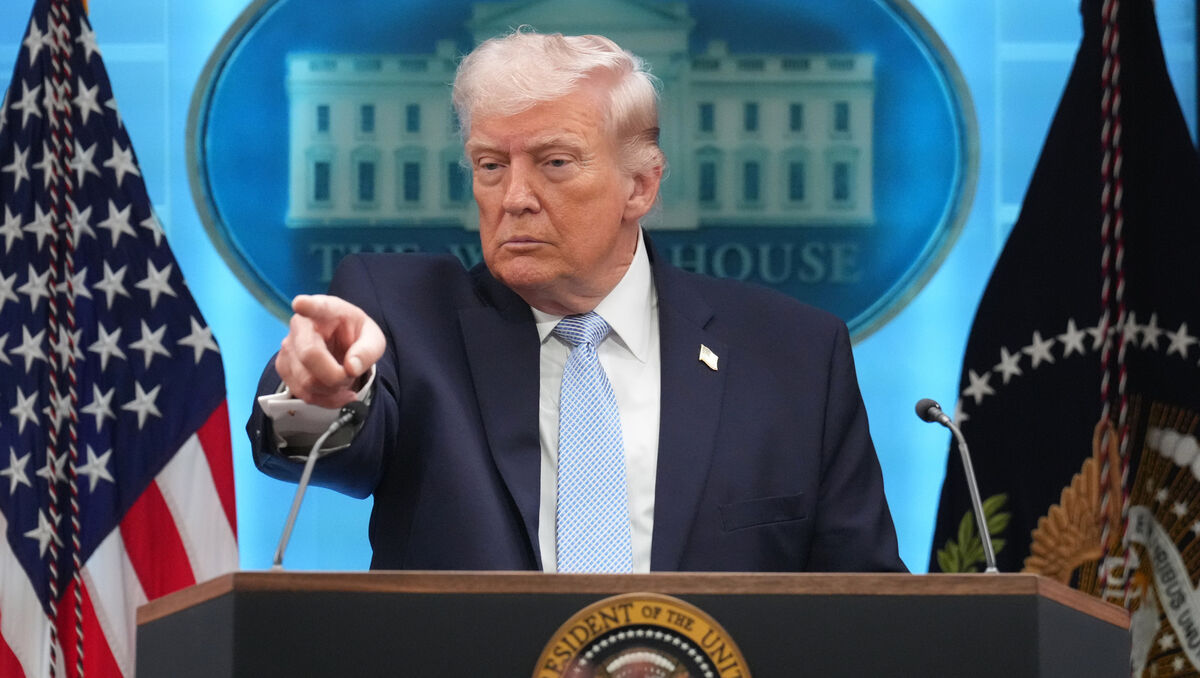
Iran on Monday rejected a proposal to implement an immediate ceasefire followed by peace negotiations brokered by Pakistan, Egypt and Turkey, arguing that it wanted a permanent end to the war. It issued a 10-point counterproposal, which Trump acknowledged but said was “not good enough”.
The prospect of bombing Iran’s infrastructure has been condemned by lawyers and experts as a probable war crime because its impact on civilians would be disproportionate to whatever notional military advantage was gained, a conclusion that has been dismissed by the Trump administration.
Negotiations continued on Tuesday morning, though there were few clear developments. On X, Iran’s president, Masoud Pezeshkian, said: “Over 14 million proud Iranians have, up to this moment, declared their readiness to sacrifice their lives in defense of Iran. I too have been, am, and will be a sacrificer for Iran.”
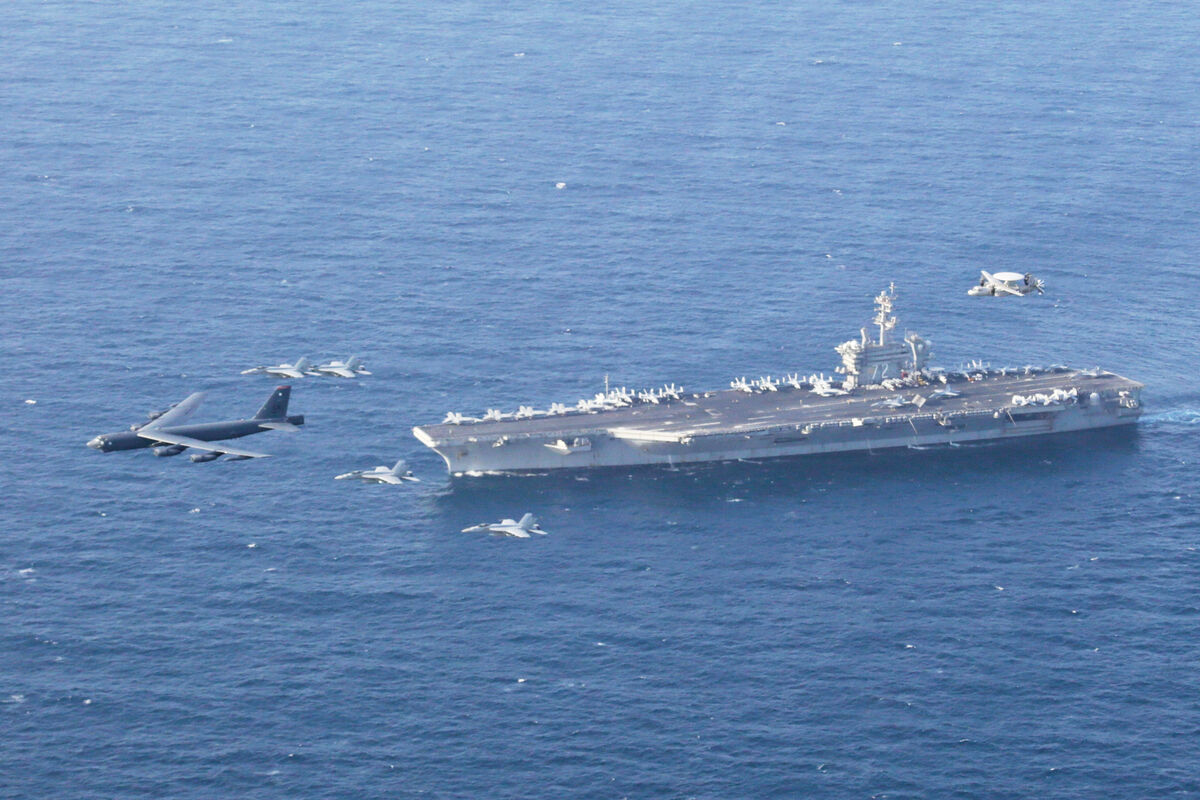
On Monday, Pete Hegseth, the US secretary of defence, said that “today will be the largest volume of strikes” on Iran and that attacks on Tuesday would be “even more than today”.
Iranian media reported on Tuesday that Khorramabad airport, in western Iran, had been attacked, and Israel said it had conducted another wave of strikes on Tehran overnight. Israel’s military said it had bombed a petrochemical facility in Shiraz, where it said nitric acid used to make explosives is produced, as well as a ballistic missile launch site in north-western Iran.
US officials told Fox News and the Wall Street Journal that B-2 stealth bombers had dropped 30,000lb “bunker buster” bombs on an Islamic Revolutionary Guard Corps compound in Tehran on Saturday. The bombs were GBU-57 munitions, the type used in last June’s attack by the US on Iran’s underground nuclear facility at Fordow.
Israeli media reported that Benjamin Netanyahu told members of the country’s security cabinet on Sunday that the war against Hezbollah in Lebanon would continue regardless of what happened in the negotiations between the US and Iran. There was, the prime minister said, a “separation of theatres”.
An attack on Saudi Arabia had hit a petrochemical complex in a sprawling industrial area in the eastern city of Jubail and workers at the site were evacuated.
Sirens were repeatedly sounded in Israel as missile attacks continued. Five impacts were reported in the Tel Aviv area as Israel said Iran had fired ballistic missiles with cluster warheads, but no casualties were immediately reported.
The price of Brent crude oil increased marginally to just above $110 a barrel in morning trading.
CONNECT WITH US TODAY



Be the first to know the latest news and updates