Blackouts and broken records: Five key moments from Artemis II’s lunar flyby
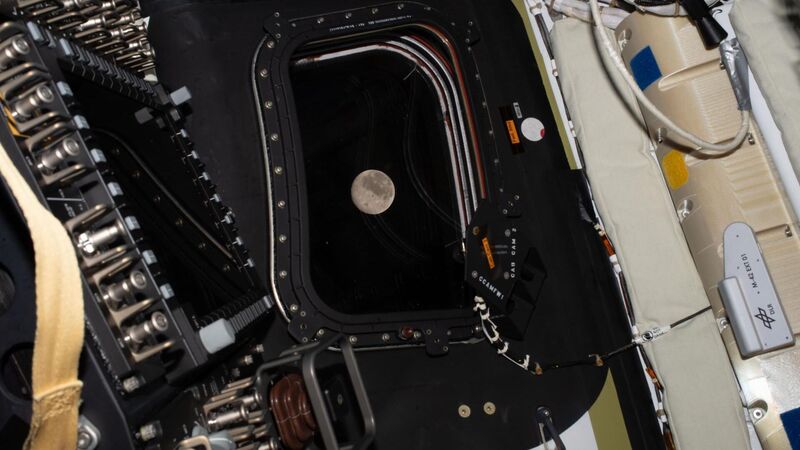
Shot of moon from artemis flyby from NYT/Nasa 7/4/26
On the sixth day of a lunar mission that has rekindled global interest in space exploration and reinvigorated Nasa’s aims to return to the moon, the astronauts of Artemis II flew further from Earth than any human before them.
Across a six-hour flyby, the crew of the Orion capsule captured views of the moon’s far side that have never been seen before – while honouring the astronauts who paved the way for their record-breaking mission.
Here are some key moments from the day:
The four astronauts broke the distance record set by the 1970 Apollo 13 mission when they reached the journey’s furthest anticipated distance from Earth: 406,778km. It’s expected that they broke the previous record by 6,606km.
While the Artemis II crew travelled further from Earth than any human previously, and despite it being one of the most notable moments of the mission, the Canadian astronaut Jeremy Hansen appeared to have his sights fixed on missions to come. After breaking the record, he challenged “this generation and the next to make sure this record is not long-lived”.
Artemis II is following broadly the same trajectory as Apollo 13 after its “Houston, we’ve had a problem” moment, which wiped out any hope that that mission would land on the moon.
Known as a free-return lunar trajectory, this route takes advantage of gravity from the Earth and moon, reducing the need for fuel. It’s a figure-of-eight path that will put the astronauts on course for home, once they emerge from behind the moon.
The crew had more than six-hours to observe and document the lunar surface, bringing a human perspective to features of the moon that we have until now only known through photographs taken by robots.
The astronauts provided a running commentary to scientists back in Houston on what they were seeing. “Such a majestic view out here,” Reid Wiseman said as he took pictures.
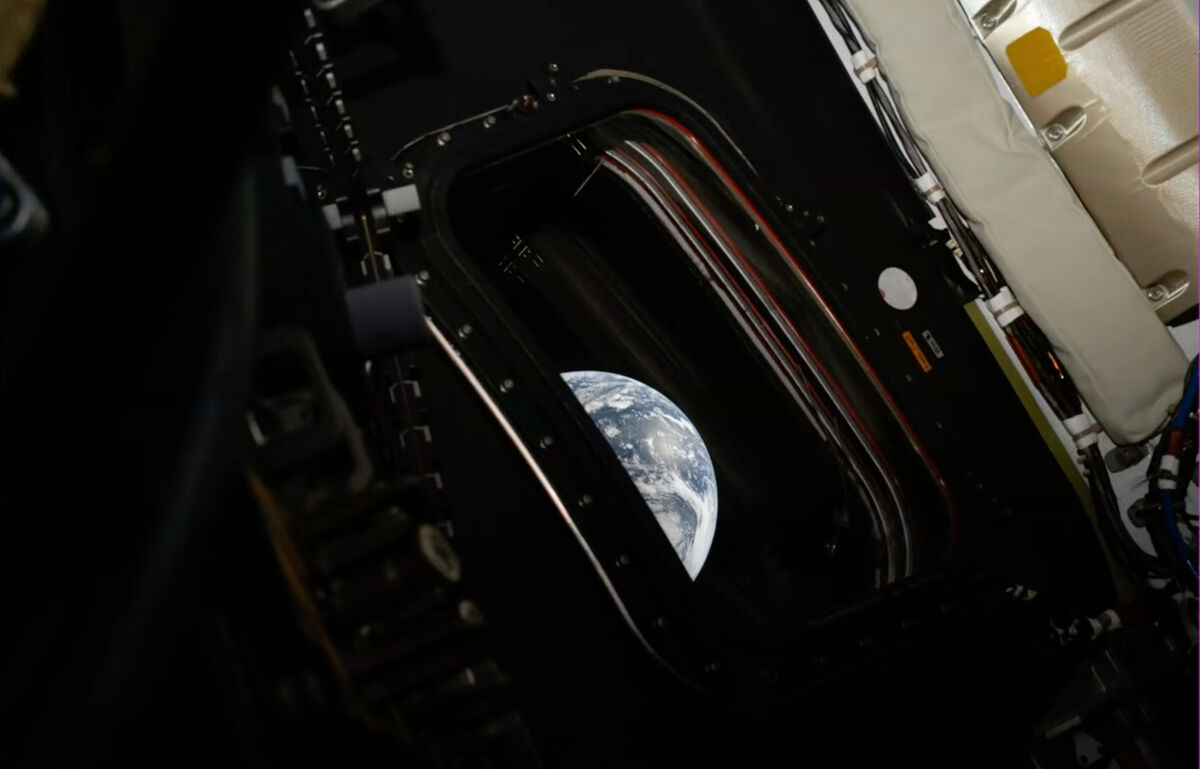
Some peaks were so bright, the pilot Victor Glover said, they looked as if they were covered in snow. Mission specialist Christina Koch described lunar craters as looking like a “lampshade with tiny pinprick holes and the light shining through”.
Besides photographing the scenes with high-powered Nikon cameras, the astronauts also used their iPhones for impromptu shots.
The crew are expected to return with thousands of pictures – among them, the Apollo 12 and 14 landing sites from 1969 and 1971, as well as fringes of the south polar region, the preferred location for a future touchdown.
Hours after the Artemis crew set their distance record, the capsule passed across the far side of the moon, starting a communications blackout that lasted about 40 minutes.
“We will see you on the other side,” said Glover, minutes before the connection was lost.
During the blackout, the craft made its closest approach to the moon and reached its maximum distance from Earth.
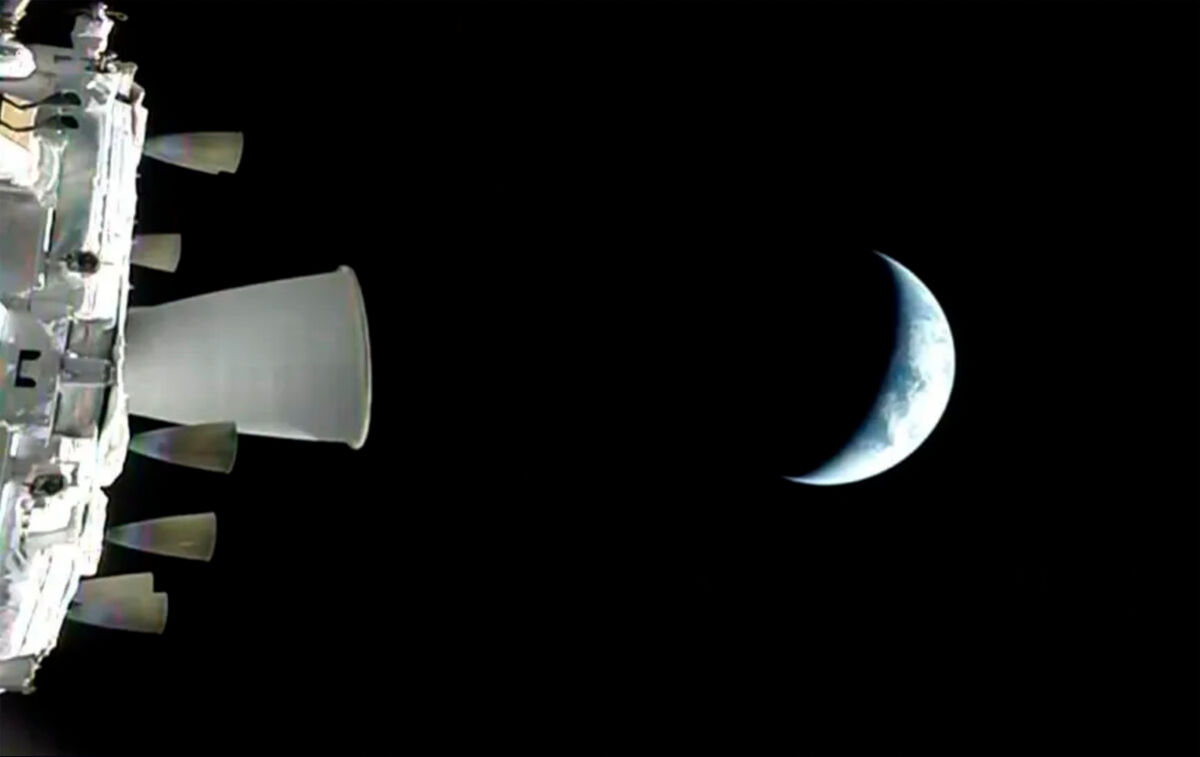
Astronomy professor Derek Buzasi cast the astronauts’ period of solitude as “exciting, in a slightly scary way”, recalling that the same thing would happen during the Apollo missions of the 60s and 70s and “we all held our breaths a little bit”.
As mission control in Houston regained communications with Artemis, the first comments from the capsule came from Koch, who said: “We will always choose Earth, we will always choose each other.”
The crew began the momentous day with the voice of Jim Lovell, the Apollo 13 commander, who recorded a wake-up message two months before his death last August.
“Welcome to my old neighbourhood,” said Lovell, who also flew on Apollo 8, humanity’s first lunar visit. “It’s a historic day and I know how busy you’ll be, but don’t forget to enjoy the view.”
The crew were travelling with the Apollo 8 silk patch that accompanied Lovell to the moon, and showed it off as the crucial flyby approached.
“It’s just a real honour to have that on board with us,” said Wiseman. “Let’s go have a great day.”
Moments after breaking Apollo 13’s record, the astronauts asked permission to name two fresh lunar craters already observed. They proposed Integrity, their capsule’s name, and Carroll, in honour of commander Reid Wiseman’s wife who died of cancer in 2020. Wiseman, a former fighter pilot, has been raising their two daughters on his own since then.
“It’s a bright spot on the moon. And we would like to call it Carroll,” Hansen said. Wiseman wept as the Canadian astronaut put in the request to mission control, and all four astronauts embraced in tears.
A Nasa spokesperson in Houston said the names proposed by the Artemis crew would be passed along to the International Astronomical Union, the body responsible for naming celestial bodies and features.


CONNECT WITH US TODAY



Be the first to know the latest news and updates