Iran threatens tourist sites while US sends Marines as Trump hints at wind-down
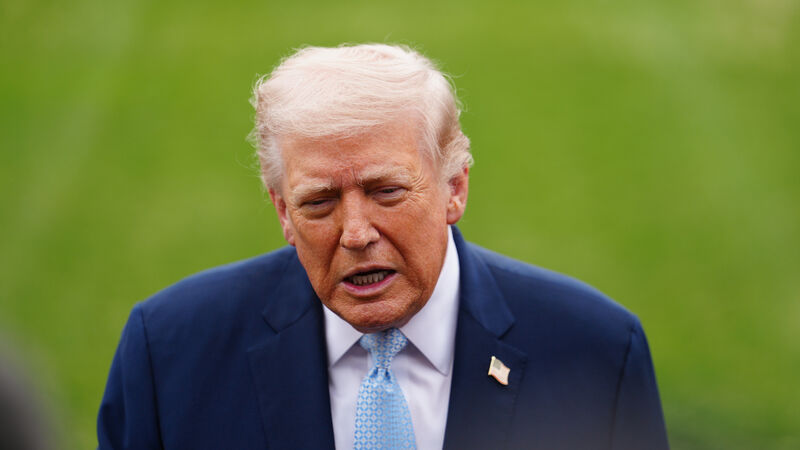
Three weeks into an escalating war in the Middle East, Iran threatened to expand its retaliatory attacks to include recreational and tourist sites worldwide, as the US announced it was sending more warships and Marines to the region.
Following news of the deployments, US President Donald Trump said later on Friday on social media that his administration in fact was considering “winding down” military operations in the region.
The mixed messages came after another climb in oil prices plunged the US stock market, and was followed by a Trump administration announcement that it will lift sanctions on Iranian oil loaded on ships, a move aimed at wrangling soaring fuel prices.
The war, meanwhile, has shown no signs of abating.
Since Day One of Operation Epic Fury, President Trump clearly outlined the U.S. Military’s objectives to end the threat of the Iranian terrorist regime.
— Karoline Leavitt (@PressSec) March 20, 2026
The President and the Pentagon predicted it would take approximately 4-6 weeks to achieve this mission.
Tomorrow marks week… pic.twitter.com/A5F8UTxpPZ
Israel said Iran continued to fire missiles at it early on Saturday, while Saudi Arabia said it downed 20 drones in just a couple of hours in the country’s eastern region, which is home to major oil installations.
The defence ministry said there were no injuries or damage.
Iran has escalated attacks on its Gulf neighbours since Israel bombed its massive South Pars offshore natural gas field, while keeping a stranglehold on shipping in the Strait of Hormuz, a strategic waterway through which a fifth of the world’s oil and other critical goods are transported.
The US and Israel have offered shifting rationales for the war, from hoping to foment an uprising that topples Iran’s leadership to eliminating its nuclear and missile programs. There have been no public signs of any such uprising and no end to the war in sight.
In his social media post, the president said, “We are getting very close to meeting our objectives as we consider winding down our great Military efforts in the Middle East.”
That seemed at odds with his administration’s move to bolster its firepower in the region and request another 200 billion dollars (£149.9 billion) from Congress to fund the war.
Supreme leader Ayatollah Mojtaba Khamenei praised Iranians’ steadfastness in the face of war in a written statement read on Iranian television to mark Nowruz. He said the US and Israeli attacks were based on an illusion that killing Iran’s top leaders could cause the overthrow of the government.
Khamenei has not been seen in public since he became supreme leader following Israeli strikes that killed his father, Ayatollah Ali Khamenei, and reportedly wounded him.
Iran’s top military spokesperson, General Abolfazl Shekarchi, warned that “parks, recreational areas and tourist destinations” worldwide will not be safe for the country’s enemies. The threat renewed concerns that Tehran may revert to using militant attacks beyond the Middle East as a pressure tactic.

It remains to be seen if lifting sanctions on Iranian oil will drop prices.
Brent crude oil, the international standard, has soared during the fighting and was around 108 dollars (£80) per barrel, up from roughly 70 dollars (£52) before the war.
The newly announced US pause in sanctions applies to Iranian oil loaded on ships as of Friday and is set to end April 19. The license has limits, including a restriction on sales involving anyone in North Korea or Cuba.
Treasury secretary Scott Bessent previously suggested it as a way to prevent China from being the sole beneficiary of Iranian oil.
The new move does not increase the flow of production, a central factor in the surging prices. Iran has managed to evade US sanctions for years, suggesting that much of what it exports already reaches buyers.
Looking for ways to boost global oil supplies during the Iran war, the Trump administration has previously paused sanctions on certain Russian oil shipments for 30 days, which critics said rewarded Moscow while having only a modest effect on markets.
Elsewhere, the Israeli military said early on Saturday that it began a wave of strikes targeting Hezbollah militants in Beirut’s southern suburbs.
Smoke was seen rising, fires broke out and loud explosions were heard across parts of central Beirut.
Hours earlier, the army renewed evacuation warnings for seven neighbourhoods, prompting some residents to fire gunshots to alert families to flee. No injuries were reported.


CONNECT WITH US TODAY



Be the first to know the latest news and updates