High-speed train collision in southern Spain leaves 39 dead and 122 injured
Thirty-nine people have been killed and 122 have been injured after a a high-speed train derailed and collided with an oncoming one in southern Spain in one of the worst railway accidents in Europe in the past 80 years.
A high-speed train from Malaga to Madrid derailed and smashed into another oncoming train on Sunday, pushing the second train off the tracks and down an embankment.
300 passengers went off the rails near Adamuz in Cordoba at 7.45pm and slammed into a train with 200 passengers coming from Madrid to Huelva, another southern Spanish city.
The accident left 122 people injured, with 48 still in hospital and 12 in intensive care, according to emergency services.
"The train tipped to one side... then everything went dark, and all I heard was screams," said Ana, a young woman who was travelling back to Madrid and was being treated at a Red Cross centre in Adamuz.
Limping and wrapped in a blanket, her face covered with plasters, she described how she was dragged out of the train covered in blood through a window by other passengers who had escaped. Firefighters rescued her sister from the wreckage and an ambulance took them both to hospital.
“There were people who were fine and others who were very, very badly injured. You had them right in front of you and you knew they were going to die, and you couldn’t do anything,” she said.
Over 200 trains between Madrid and the southern Andalucia region - including major cities Cordoba, Seville and Granada - have been cancelled throughout Monday, according to state broadcaster RTVE.
The Spanish interior ministry said on Monday the death toll had risen to 39.
Rescue efforts are still under way on Monday morning, and dozens more were injured from the crash.
Andalusia regional president Juanma Moreno said 75 passengers were in hospital, with most taken to the nearby city of Cordoba, including 15 people with serious injuries.
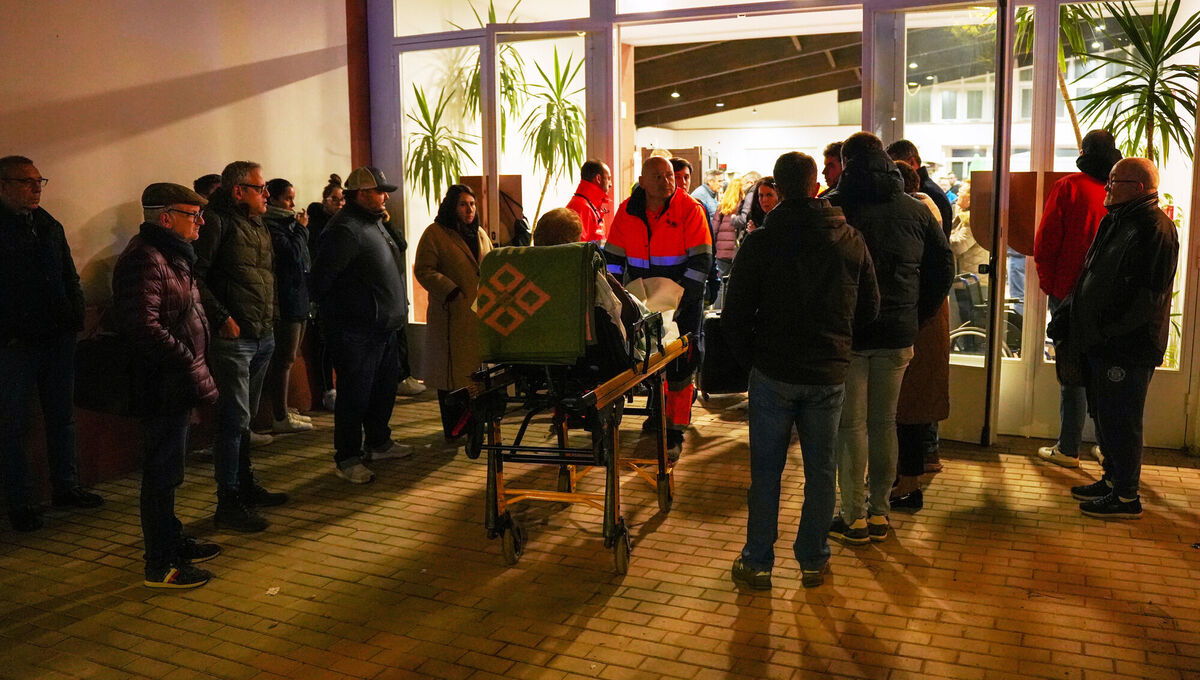
The Spanish Red Cross set up a help centre in the town of Adamuz, near the crash site, offering assistance to emergency services and people seeking information.
Members of Spain’s Civil Guard and Civil Defence were also on site working in the cold, cloudless night. Only emergency services were allowed to approach the crash site.
Mr Moreno said emergency workers would work all night to remove bodies from the wreckage.
“We have a very difficult night ahead,” Andalusia’s regional health chief Antonio Sanz said.
Mr Puente said the cause of the crash was unknown.
He called it “a truly strange” incident because it happened on a flat stretch of track that had been renovated in May. He also said the train that jumped the track was less than four years old.
That train belonged to the private company Iryo, while the second train, which took the brunt of the impact, was part of Spain’s public train company Renfe.
Iryo issued a statement saying it “deeply lamented what has happened” and that it was working with authorities to manage the situation.
According to Mr Puente, the back part of the first train derailed and crashed into the head of the other train, knocking its first two carriages off the track and down a four-metre slope. He said the worst damage was to the front section of the Renfe train.
When asked by reporters how long an inquiry into the crash’s cause could take, he said it could be a month.
Salvador Jimenez, a journalist for Spanish broadcaster RTVE, was on board one of the derailed trains and told the network by phone that “there was a moment when it felt like an earthquake and the train had indeed derailed”.
He said passengers used emergency hammers to break the windows, and that some had walked away without serious injuries. Videos from the scene show people crawling out of windows to escape the wreckage with carriages leaning at an angle.
The crash occurred in the early evening near the village of Adamuz and hundreds of survivors had to be rescued in the darkness.
Francisco Carmona, the firefighter chief of Cordoba, told Spanish national radio RNE that one of the trains was badly mangled, with at least four wagons off the rails.
The regional Civil Protection chief, Maria Belen Moya Rojas, told Canal Sur the crash happened in an area that is hard to reach. She added that local people were taking blankets and water to the scene to help the victims.
Spain’s military emergency relief units joined the deployment of other rescue units. The Red Cross also provided support to health care officials.
“Tonight is one of deep sadness for our country,” Spanish Prime Minister Pedro Sanchez wrote on X. “I want to express my sincerest condolences to the family and loved ones of the victims.”
Spain’s King Felipe VI and Queen Letizia also expressed their condolences and concern on social media.
European Commission President Ursula von der Leyen said in a post on X that she was following “the terrible news” from Cordoba.
“Tonight you are in my thoughts,” she wrote in Spanish.
CONNECT WITH US TODAY



Be the first to know the latest news and updates