European leaders negotiate using up to €2.1bn of frozen Russian assets to fund Ukraine
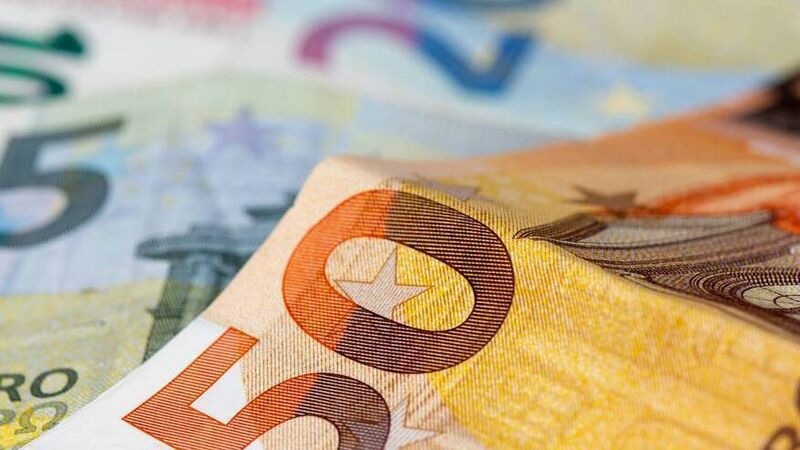
EU leaders in Brussels negotiated long into the night about whether to utilise up to 210 billion euros of frozen Russian assets to fund Ukraine.
Talks focused on the need for the EU to reassure Belgium that it wouldn’t be left to carry the burden of releasing 185 billion euros – the bulk of the frozen assets – if Russia successfully sued the state, or Euroclear the financial repository in which they are currently held.
It’s “important that a strong, assertive position is taken out of this meeting”, the Taoiseach told journalists at the margins of the two-day summit.
“It's important deterrence as well, that countries simply cannot invade and destroy another country's infrastructure”, he said of Russia’s full-scale invasion of Ukraine.
Heading into the talks, the Belgian government had been immovable in its opposition to using the funds due to unintended consequences and risks that make arise in the future.
However, the European Commission made several legal workarounds to reassure Belgium that EU member states would produce their fair share of the value of the assets should such a scenario materialise.
One of the final drafts of the proposals stated the loan mechanism would be based on “legally-binding, unconditional, irrevocable, on-demand guarantees provided by participating member states ensuring the Union has the necessary resources in all circumstances to ensure full and swift repayment” in the event the cash is called in by Russia. Each contributing member state would be obliged to pay their share of the loan based in their country’s GNI in this event.
Ukraine is due to run out of money by the end of the next quarter, and the European Commission as well as most countries such as Germany, Ireland, Spain have been pushing for the reparations loan as the preferred option to ensure the country is capitalised for 2026 and 2027.
Under the plan Ukraine would only pay back the loan once Russia paid reparations to Kyiv for the destruction caused by its territorial conquest which began in 2014 when Putin invaded Crimea.
Ukrainian President Volodymyr Zelenskyy joined leaders for the early part of the summit and held a bi-lateral meeting with Belgian Prime Minister Bart de Wever.
Zelenskyy urged the Belgian premier to press ahead with the reparations loan which would see the EU utilise up to 210 billion euros of frozen Russian state assets for Ukraine.
Speaking to the press after the meeting, Zelenskyy said he understood the legal risks that exist for Belgium in allowing the funds to be used to fund Ukraine.
“He told me everything he wanted to tell me, and so did I. Was it productive? We’ll see”, said Zelenskyy in a press conference after his meeting with EU leaders at the earlier part of the day on Thursday.
“Just like authorities confiscate money from drug traffickers and take weapons away from terrorists, Russia’s assets must be used to defend Russian aggression”, Zelenskyy said in Brussels.
Meanwhile, the EU agreed to postpone a vote on the Mercosur Trade Deal with South America until mid-January. A vote had been due to take place earlier in the week as the EU agreed to strengthen safeguards for the agricultural sector.
But Italian Prime Minister Georgia Meloni insisted she needed more time to pass the deal and needed to speak with Italian farmers and beef producers about the merits of the deal. Brazil’s president Luiz Inácio Lula da Silva granted the extension on Friday. President of the European Commission Ursula von der Leyen had been due to travel to Brazil to sign the Mercosur Trade deal on Saturday.
Negotiations have been ongoing for twenty-five years.