Trump signs executive order to reclassify marijuana as less dangerous drug
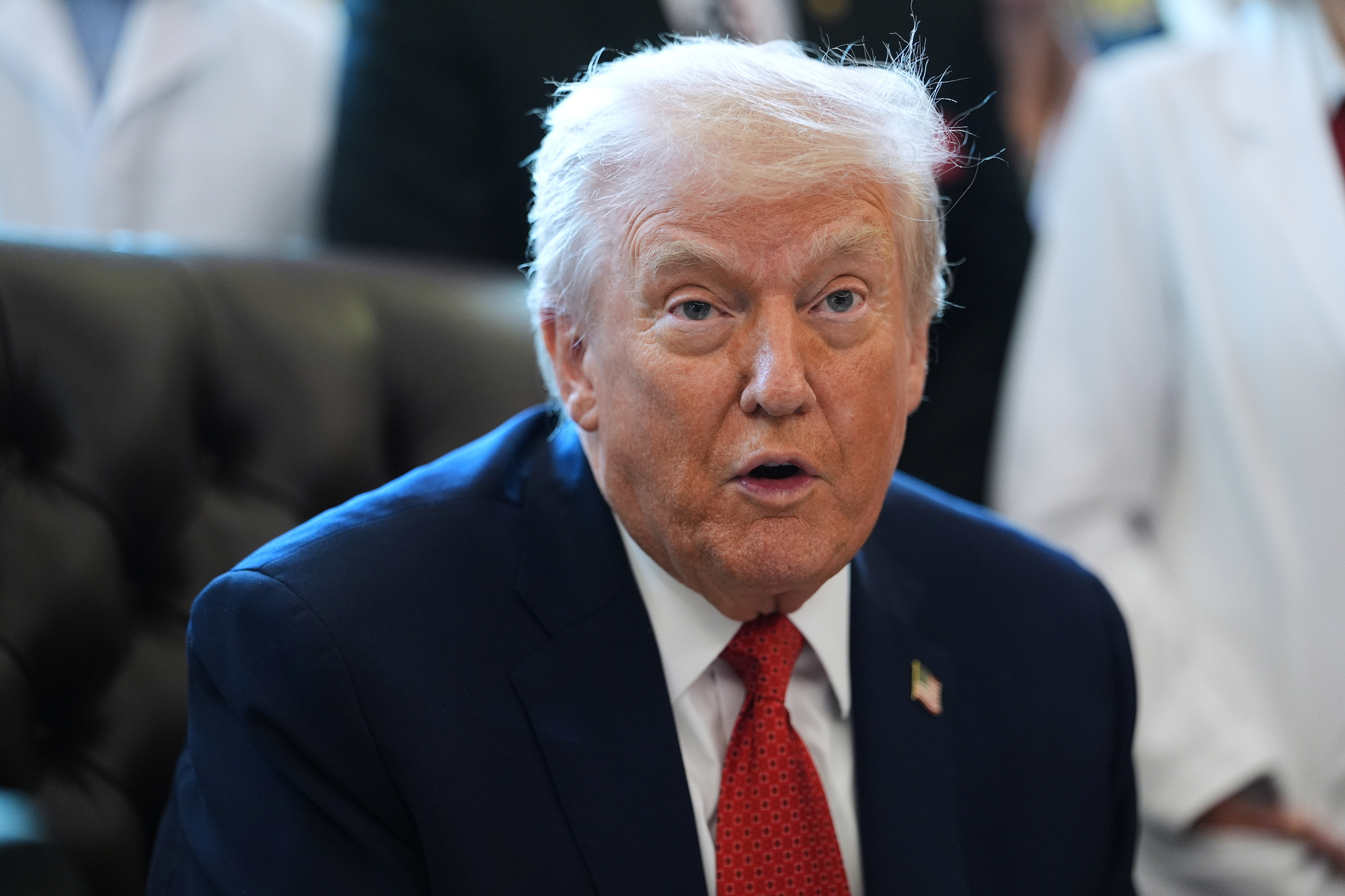
President Donald Trump has signed an executive order that would reclassify marijuana as a less dangerous drug and open new avenues for medical research.
The move is a major shift in federal drug policy that inches closer to what many states have done.
The switch would move marijuana away from its current classification as a Schedule I drug, alongside heroin and LSD.
Cannabis would instead be a Schedule III substance, like ketamine and some anabolic steroids.
Reclassification by the Drug Enforcement Administration would not make it legal for recreational use by adults nationwide, but it could change how the drug is regulated and reduce a hefty tax burden on the cannabis industry.
Similarly, the Justice Department under Mr Trump’s Democratic predecessor, Joe Biden, proposed reclassifying marijuana to a Schedule III substance.
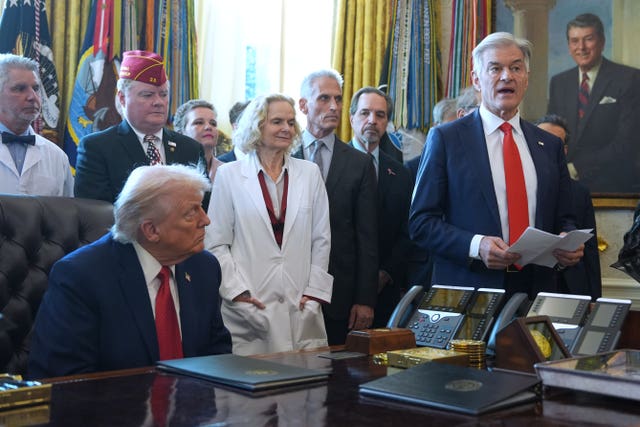
Unlike Mr Biden, Mr Trump did not have open encouragement from across his party for the move.
Some Republicans have spoken out in opposition to any changes and urged Mr Trump to maintain current standards.
Such a switch typically requires an arduous process, including a public comment period that has drawn tens of thousands of reactions from across the US.
The DEA was still in the review process when Mr Trump took office in January. Mr Trump’s order is expected to speed the process along, though it was not immediately clear how long it might take.
Many states have legalised the recreational use of marijuana for adults or allow it for medical purposes. But US laws have remained stricter, potentially leaving people subject to federal prosecution.
Polling from Gallup shows more Americans back a less restrictive approach: Support for marijuana legalisation has grown significantly, from just 36% support in 2005 to 68% last year.
Mr Trump’s order also calls for expanded research and access to CBD, a legal and increasingly popular hemp-derived product whose benefits are debated by experts.
More than 20 Republican senators, several of them staunch Trump allies, signed a letter this year urging the president to keep marijuana a Schedule I drug.
Led by North Carolina senator Ted Budd, the group argued that marijuana continues to be dangerous and that a shift would “undermine your strong efforts to Make America Great Again”.
They argued, too, that marijuana negatively affects users’ physical and mental health, as well as road and workplace safety.
“The only winners from rescheduling will be bad actors such as Communist China, while Americans will be left paying the bill,” the letter said, referring to China’s place in the cannabis market.
As for decriminalising marijuana, Mr Trump has not previously committed to such a move, though he had considered reclassifying it for much of his second term. He once said as a candidate that it should remain a state-by-state issue.
As president, he has made his crusade against other drugs, especially fentanyl, a feature of his second term, ordering US military attacks on Venezuelan and other boats the administration insists are ferrying drugs.
He signed another executive order declaring fentanyl a weapon of mass destruction.

CONNECT WITH US TODAY



Be the first to know the latest news and updates