Belgium demands ironclad guarantees of protection as EU considers Ukraine loan
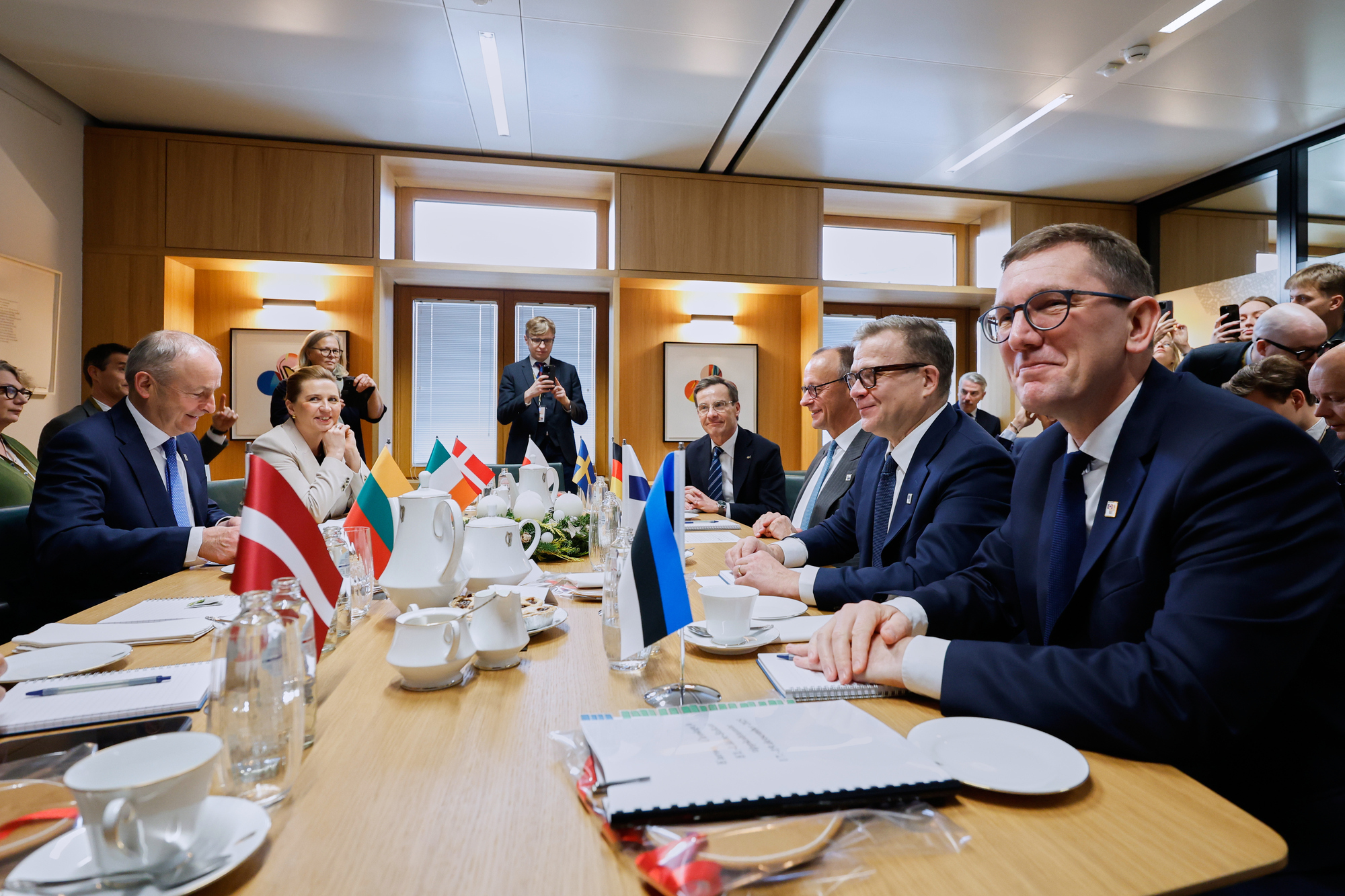
Belgium has insisted its European Union partners must provide ironclad guarantees that it will be protected from Russian retaliation before it would back a massive loan for Ukraine.
At a high-stakes EU summit in Brussels, the 27-nation bloc’s leaders are set to decide on whether to use tens of billions of euros in frozen Russian assets to underwrite a loan to meet Ukraine’s military and financial needs over the next two years.
The bulk of the assets — some 193 billion euros as of September — are held in the Brussels-based financial clearing house Euroclear. Russia’s Central Bank sued Euroclear last week.
“Give me a parachute and we’ll all jump together,” Belgian leader Bart De Wever told members of the Belgian parliament just before the summit began. “If we have confidence in the parachute that shouldn’t be a problem.”
This EUCO comes at a decisive time.
— Ursula von der Leyen (@vonderleyen) December 18, 2025
We have one ultimate goal: peace for Ukraine through strength.
And covering Ukraine’s financial needs for 2026-27 is essential for that.
Two proposals are on the table.
We agreed that we will find a solution today. pic.twitter.com/sVUStPaXxL
Belgium fears that Russia will strike back and would prefer that the bloc borrow the money on international markets.
It wants frozen assets held in other European countries to be thrown into the pot as well, and for its partners to guarantee that Euroclear will have the funds it needs should it come under legal attack.
European officials say Russia is waging a campaign of sabotage and disruption across the continent. The Central Bank lawsuit ramped up pressure on Belgium and its European partners ahead of the summit.
The “reparations loan” plan would see the EU give 90 billion euros to Ukraine. Countries such as the UK, Canada and Norway would make up any shortfall.
Russia’s claim to the assets would still stand, but the assets would remain locked away at least until the Kremlin ends its war on Ukraine and pays for the massive damage it has caused over four years of war.
In mapping out the loan plan, the European Commission set up safeguards to protect Belgium, but Mr De Wever remains unconvinced.
“I have not yet seen a text that could satisfactorily address Belgium’s concerns,” he said. “I hope to see one today.”
Mr De Wever insisted that Belgium remains “a faithful ally” of Ukraine and wants to continue to help.
Whatever method they use, the leaders have pledged to meet most of Ukraine’s needs for the next two years.
The International Monetary Fund estimates that would amount to 137 billion euros. The war-ravaged country is at risk of bankruptcy and needs the money by spring.
“We have to find a solution today,” European Commission president Ursula von der Leyen told reporters. “We will not leave the European Council without a solution for the funding of Ukraine for the next two years.”
EU Council president Antonio Costa, who is chairing the meeting, has vowed to keep leaders negotiating until an agreement is reached, even if it takes days.

Polish Prime Minister Donald Tusk said: “Now we have a simple choice. Either money today or blood tomorrow.”
He insisted that “all European leaders have to rise to the occasion”.
EU envoys have worked around the clock in recent weeks to flesh out the details and narrow differences among the 27 member countries. If enough countries object, the plan could be blocked. There is no majority support for a plan B of raising the funds on international markets.
German Chancellor Friedrich Merz said that he hopes Belgium’s concerns can be addressed.
He said: “The reactions of the Russian president in recent hours show how necessary this is. In my view, this is indeed the only option. We are basically faced with the choice of using European debt or Russian assets for Ukraine, and my opinion is clear: we must use the Russian assets.”
Hungary and Slovakia oppose Ms von der Leyen’s plan for a reparations loan. Apart from Belgium, Bulgaria, Italy and Malta are also undecided.
“I would not like a European Union in war,” said Hungarian Prime Minister Viktor Orban, who sees himself as a peacemaker. He is also Russian President Vladimir Putin’s closest ally in Europe.
He added: “To give money means war.”
Mr Orban described the loan plan as “a dead end”, and said that “the whole idea is a stupid one”.
CONNECT WITH US TODAY



Be the first to know the latest news and updates