Major strike in Portugal expected to bring widespread disruption
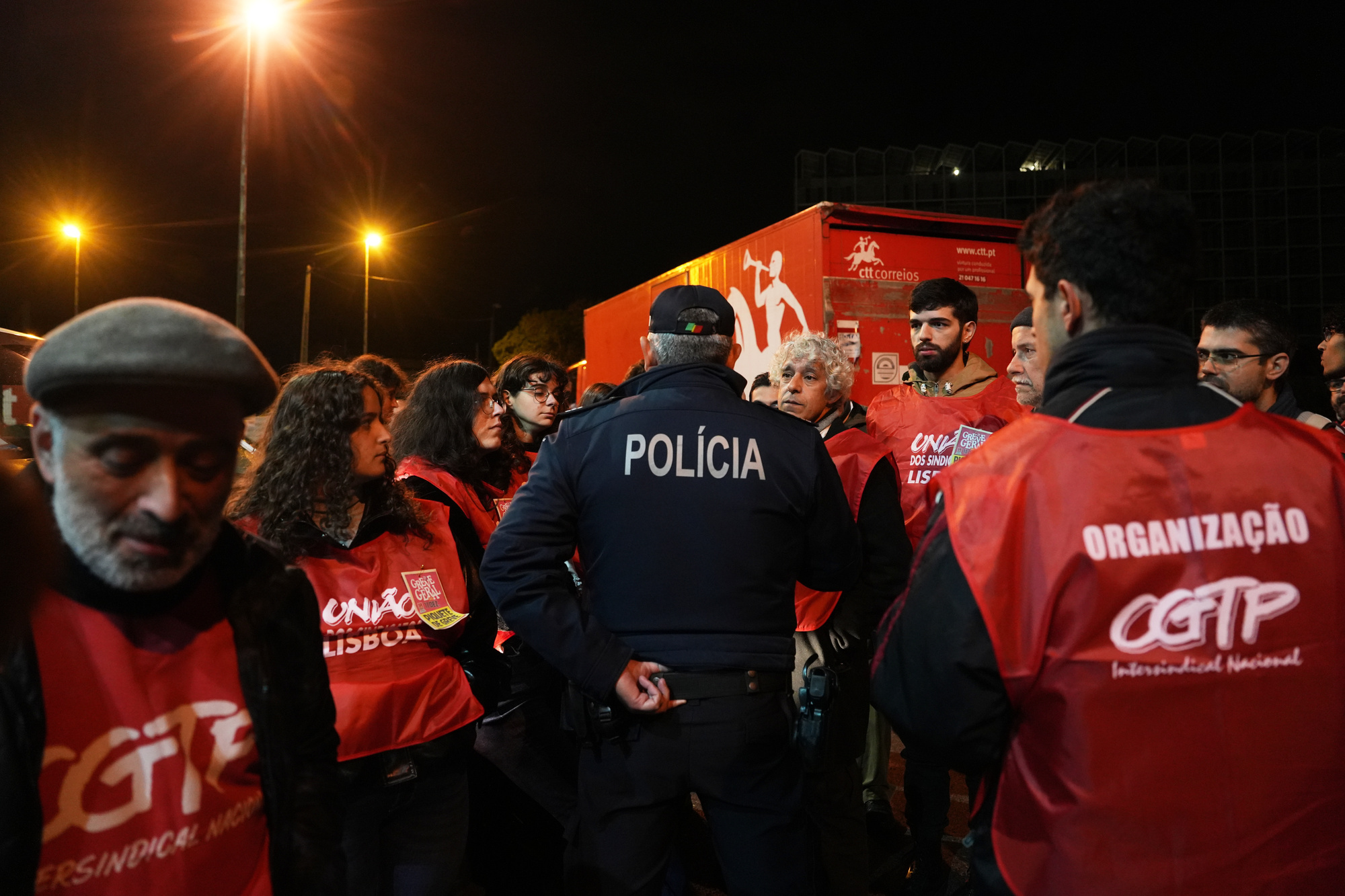
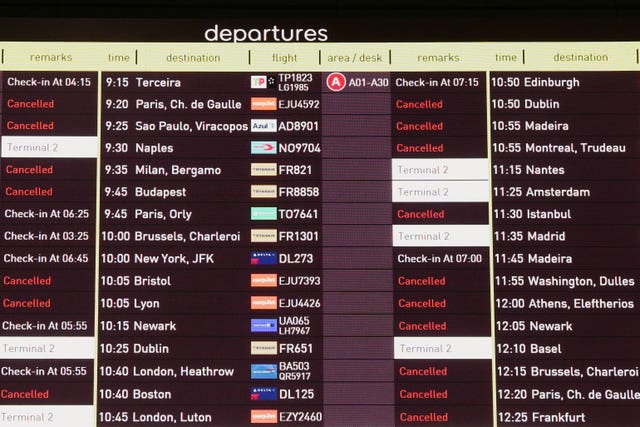
A strike called by Portugal’s two main trade unions is expected to cause severe flight and rail disruptions, shut many government services and force the cancellation of medical appointments and classes on Thursday.
The two unions representing close to a million Portuguese workers say it could be the country’s biggest walkout in more than 10 years, as they contest the centre-right government’s planned changes to employment laws.
The proposed changes include making it easier for companies to fire workers, denying the right to strike in additional sectors of the economy, and limiting breastfeeding breaks for mothers to the first two years of a baby’s life from the current open-ended dispensation.
The unions say the changes strip workers of entitlements, while the government says they are needed to make the economy more supple and spur growth.
Portugal has one of the European Union’s smallest economies and its workers are among the lowest paid in the 27-nation bloc.
The average monthly wage is about 1,600 euros (£1,400) before tax, according to the National Statistics Institute. The minimum monthly wage earned by hundreds of thousands of workers is 870 euros (£760) before tax.
The Portuguese are also being pinched by a housing and cost-of-living crisis, as property prices soar and inflation sticks at just over 2%.

The European Commission expects Portugal to achieve GDP growth of about 2% this year, above the EU average of 1.4%. Unemployment stands at under 6%, roughly the EU average.
Trade unions planned street marches on Thursday. It is the first time since 2013 that the umbrella groups – the General Workers’ Union and the General Confederation of Portuguese Workers – have joined forces.
Social Democrat Prime Minister Luis Montenegro has described the strike as “senseless” because the country is doing well.
CONNECT WITH US TODAY



Be the first to know the latest news and updates