Hegseth cites ‘fog of war’ in defending follow-up strike on alleged drug boat
Hegseth cites ‘fog of war’ in defending follow-up strike on alleged drug boat

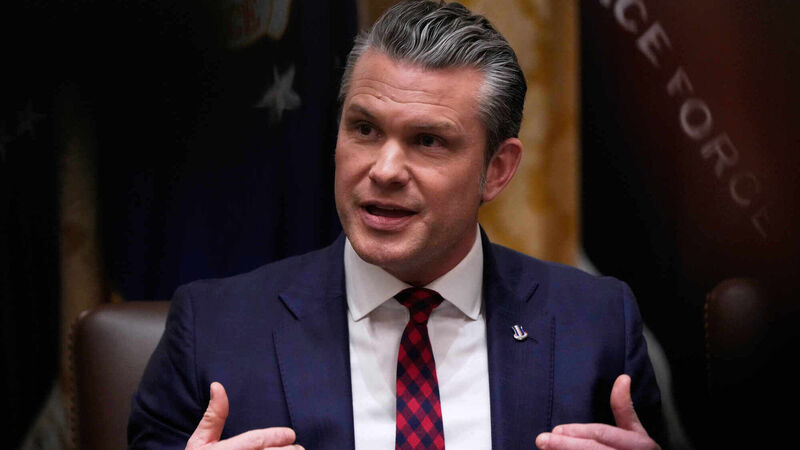
The Washington Post first reported that the US defence secretary had issued a verbal order for the second strike that killed survivors on the boat (Julia Demaree Nikhinson/AP)

US defence secretary Pete Hegseth cited the “fog of war” in defending a follow-up strike on an alleged drug-carrying boat in the Caribbean Sea in early September.

Speaking during a cabinet meeting at the White House, Mr Hegseth said he did not see there were survivors in the water when the second strike was ordered and launched, saying the vessel “exploded in fire, smoke, you can’t see anything… This is called the fog of war”.


Mr Hegseth also said he “didn’t stick around” for the remainder of the September 2 mission following the initial strike, and that the admiral in charge had “made the right call” in ordering the second hit, which he “had complete authority to do”.

Politicians have opened investigations following a Washington Post report that Mr Hegseth issued a verbal order to “kill everybody” on the boat, the first vessel hit in the Trump administration’s counter-drug campaign in the Caribbean and eastern Pacific Ocean that has grown to more than 20 known strikes and more than 80 dead.

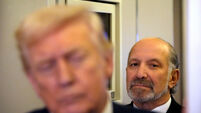
US secretary of defence Pete Hegseth, right, was sat next to US president Donald Trump, left, at a cabinet meeting in the White House (Julia Demaree Nikhinson/AP)

The US has also built up its largest military presence in the region in generations, and many see the actions as a tactic to pressure Venezuelan president Nicolas Maduro to resign.

US president Donald Trump distanced himself on Tuesday from the secondary strike, which the news report said killed two survivors who were clinging to the wreckage.

Mr Trump said he “didn’t know anything” and that he “still hasn’t gotten a lot of information because I rely on Pete”, referencing Mr Hegseth, when asked if he supported the second strike.

“I didn’t know anything about people. I wasn’t involved in it,” he said.

Mr Hegseth, sitting next to Mr Trump at the cabinet meeting, said the US president had empowered “commanders to do what is necessary, which is dark and difficult things in the dead of night on behalf of the American people”.

Pentagon press secretary Kingsley Wilson said earlier in the day that all of the strikes had been “presidentially directed and the chain of command functions as it should”.

Mr Hegseth, right, sitting next to Mr Trump, left, at the cabinet meeting said the US president had empowered commanders to ‘do what is necessary’ (Julia Demaree Nikhinson/AP)

“At the end of the day, the secretary and the president are the ones directing these strikes,” Mr Wilson said while speaking to handpicked outlets at an event at the Pentagon.

The Trump administration has suggested that the admiral overseeing the operation made the actual decision to conduct a second strike.

Mr Trump called him an “extraordinary person” on Tuesday and said “I want those boats taken out, and if we have to, will attack on land also, just like we attack on sea”.

The White House said on Monday that navy vice admiral Frank “Mitch” Bradley acted “within his authority and the law” when he ordered the second strike, while Mr Hegseth said on social media that he stood by the senior officer “and the combat decisions he has made”.

Vice Admiral Bradley is expected to provide a classified briefing to politicians overseeing the military on Thursday.

x

More in this section

Cookie Policy Privacy Policy Brand Safety FAQ Help Contact Us Terms and Conditions

© Examiner Echo Group Limited