White House says admiral ordered follow-up strike on alleged drug boat
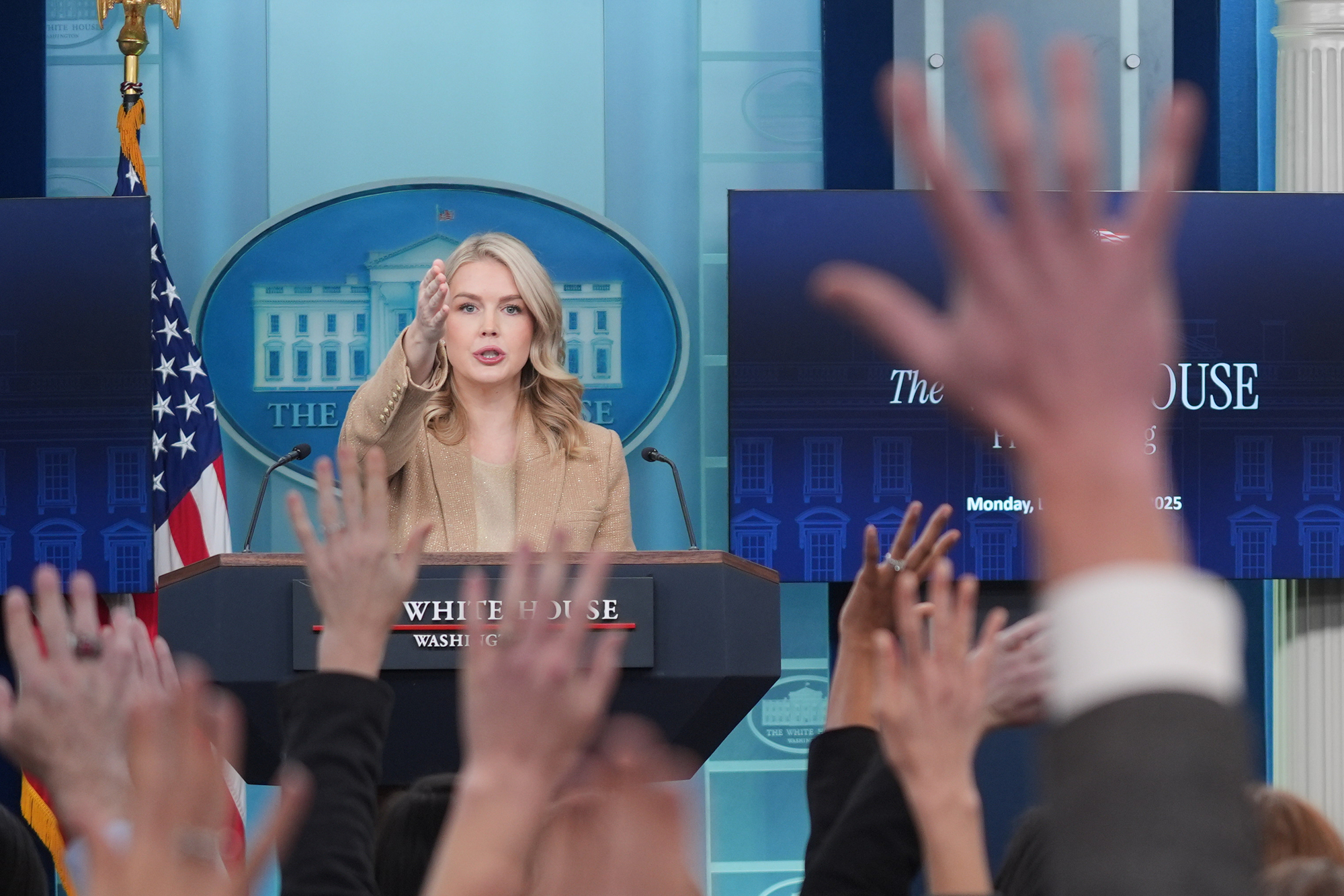
The White House said on Monday that a US Navy admiral acted “within his authority and the law” when he ordered a second, follow-up strike on an alleged drug boat in the Caribbean Sea in a September US military operation that has come under bipartisan scrutiny.
White House press secretary Karoline Leavitt offered the justification for the September 2 strike after representatives from both parties on Sunday announced support for congressional reviews of US military strikes against vessels suspected of smuggling drugs in the Caribbean Sea and eastern Pacific Ocean.
They cited a published report that Defence Secretary Pete Hegseth issued a verbal order for a second strike that killed survivors on the boat in that incident.
Ms Leavitt in her comments to reporters on Monday did not dispute a report that there were survivors after the initial strike in the incident.

Her explanation came after US President Donald Trump a day earlier said that he “wouldn’t have wanted that – not a second strike” when asked about the incident.
“Secretary Hegseth authorised Admiral Bradley to conduct these kinetic strikes,” said Ms Leavitt, referring to US Navy Vice Admiral Frank Bradley, who at the time was the commander of Joint Special Operations Command.
“Admiral Bradley worked well within his authority and the law, directing the engagement to ensure the boat was destroyed and the threat to the United States of America was eliminated.”
The lawmakers said they did not know whether last week’s Post report was true, and some Republicans were sceptical. Still, they said the reports of attacking survivors of an initial missile strike posed serious legal concerns and merited further scrutiny.
“This rises to the level of a war crime if it’s true,” said Democratic senator Tim Kaine.
Republican Mike Turner when asked about a follow-up strike aimed at people no longer able to fight, said Congress does not have information that happened. He noted that leaders of the Armed Services Committee in both the House and Senate have opened investigations.
“Obviously, if that occurred, that would be very serious and I agree that that would be an illegal act,” Mr Turner said.
Mr Trump on Sunday vigorously defended Mr Hegseth.
“Pete said he did not order the death of those two men,” Mr Trump said. He added, “And I believe him.”
Ms Leavitt said Mr Hegseth has spoken to members of Congress who may have expressed some concerns about the reports over the weekend.
General Dan Caine, chairman of the Joint Chiefs of Staff, also spoke over the weekend to the four bipartisan lawmakers leading the Senate and House Armed Services Committees in which he reiterated “his trust and confidence in the experienced commanders at every echelon”, Gen Caine’s office said in a statement.

The statement added that the call focused on “addressing the intent and legality of missions to disrupt illicit trafficking networks which threaten the security and stability of the Western Hemisphere”.
Senate Majority Leader John Thune on Monday broadly defended the operations, echoing the Trump administration position that they are necessary to stem the flow of illegal narcotics into the United States.
“I don’t think you want to draw any conclusions or deductions until you have all the facts,” Mr Thune said of the September 2 strike. “We’ll see where they lead.”
Senate Democratic Leader Chuck Schumer called Hegseth a “national embarrassment” over his response to critics. Mr Schumer added that the Armed Services Committees should demand that Mr Hegseth release the video of the strike and give evidence under oath about what happened.
After the Post’s report, Mr Hegseth said on Friday on X that “fake news is delivering more fabricated, inflammatory, and derogatory reporting to discredit our incredible warriors fighting to protect the homeland”.
“Our current operations in the Caribbean are lawful under both US and international law, with all actions in compliance with the law of armed conflict -and approved by the best military and civilian lawyers, up and down the chain of command,” Mr Hegseth wrote.
Ms Leavitt also confirmed that Mr Trump later on Monday would be holding a meeting with his national security team to discuss the ongoing operations in the Caribbean Sea and potential next steps against Venezuela.
The US administration says the strikes in the Caribbean are aimed at drug cartels, some of which it claims are controlled by Venezuelan President Nicolas Maduro.
Mr Trump also is considering whether to carry out strikes on the Venezuelan mainland.
Mr Trump on Sunday confirmed that he had recently spoken by phone with Mr Maduro but declined to detail the conversation.
The September strike was one in a series carried out by the US military in the Caribbean Sea and eastern Pacific Ocean as Mr Trump has ordered the build-up of a fleet of warships near Venezuela, including the largest US aircraft carrier.
More than 80 people have been killed in the strikes on small boats that the Trump administration alleges smuggle narcotics for drug cartels.
Venezuela’s National Assembly has announced the launch of an investigation into the lethal strikes carried about by the US.
Sunday’s announcement by the Assembly’s president, Jorge Rodriguez, marked the first time that a Maduro government official explicitly acknowledged that Venezuelans have been killed in the monthslong US military operation.
Mr Rodriguez, Mr Maduro’s chief negotiator, said a group of politicians will come together to investigate “the serious events that led to the murder of Venezuelans in the waters of the Caribbean Sea”.


CONNECT WITH US TODAY



Be the first to know the latest news and updates