Four key takeaways from Trump’s White House summit on Ukraine
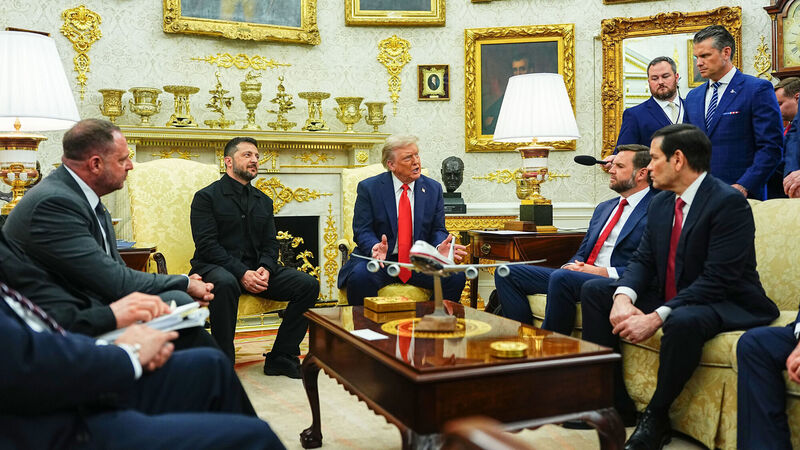
US President Donald Trump (right) meets Ukrainian President Volodymyr Zelensky in the Oval Office of the White House in Washington, DC, US. Picture date: Monday August 18, 2025. PA Photo. Photo credit should read: Aaron Schwartz/PA Wire
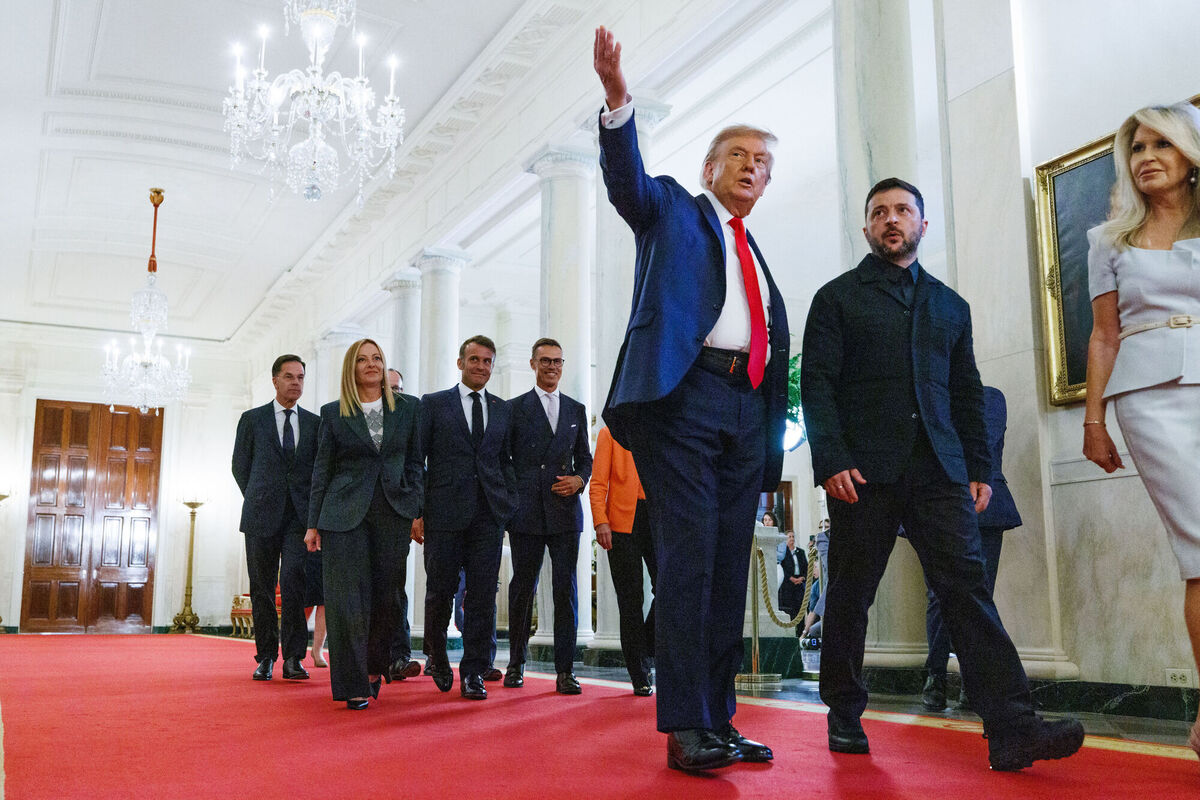
Donald Trump has hosted leaders from across Europe as part of a flurry of diplomacy to find a path to peace in Ukraine. Coming just days after a disappointing summit with the Russian president, Vladimir Putin, in Alaska, the pressure was on to make headway in a years-long conflict that the US president once said he could solve in 24 hours.
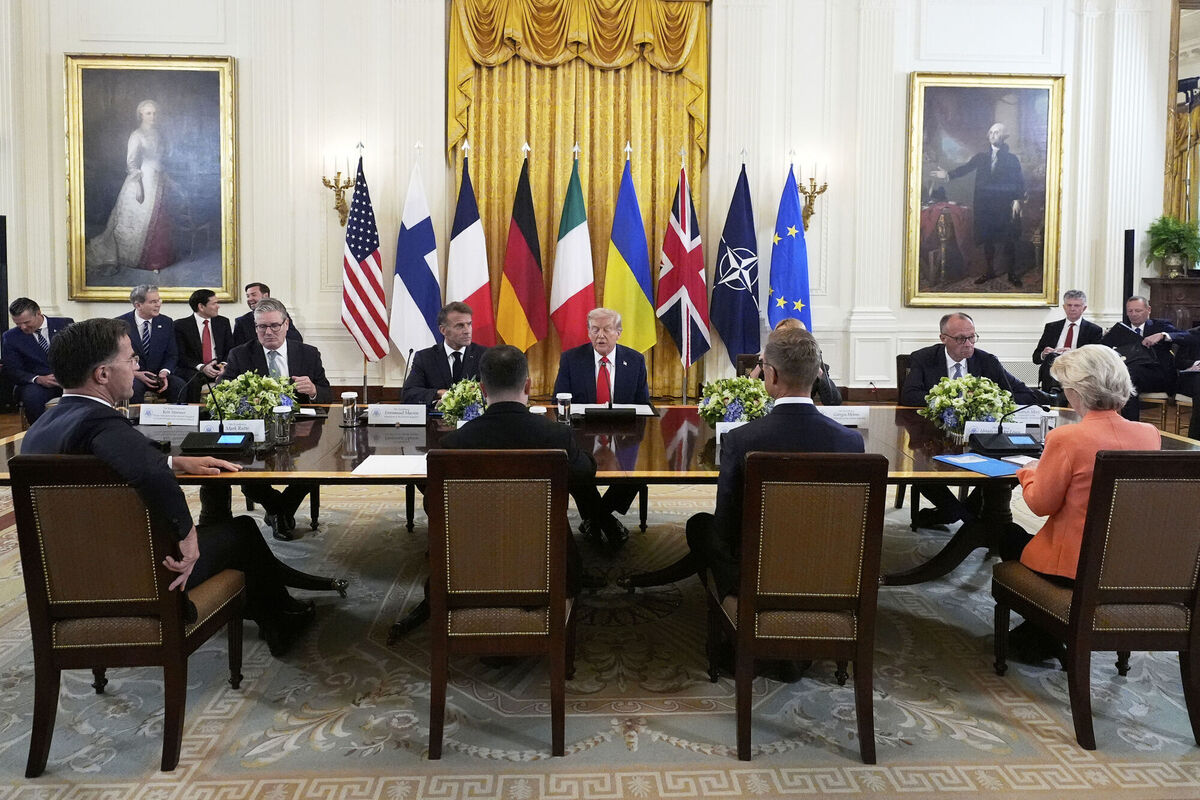
Below are some key points arising from the US president’s range of bilateral and multilateral talks with the leaders of Ukraine, Germany, Britain, France, Italy, Finland, the European Union and Nato.
A bilateral meeting between Volodymyr Zelenskyy and Vladimir Putin is something the Russian president has always resisted, urging for a list of conditions to be met first, but the possibility may now be nearer than ever.
Donald Trump said after the White House talks: “I called President Putin, and began the arrangements for a meeting, at a location to be determined, between President Putin and President Zelenskyy. After that meeting takes place, we will have a Trilat, which would be the two presidents, plus myself.”
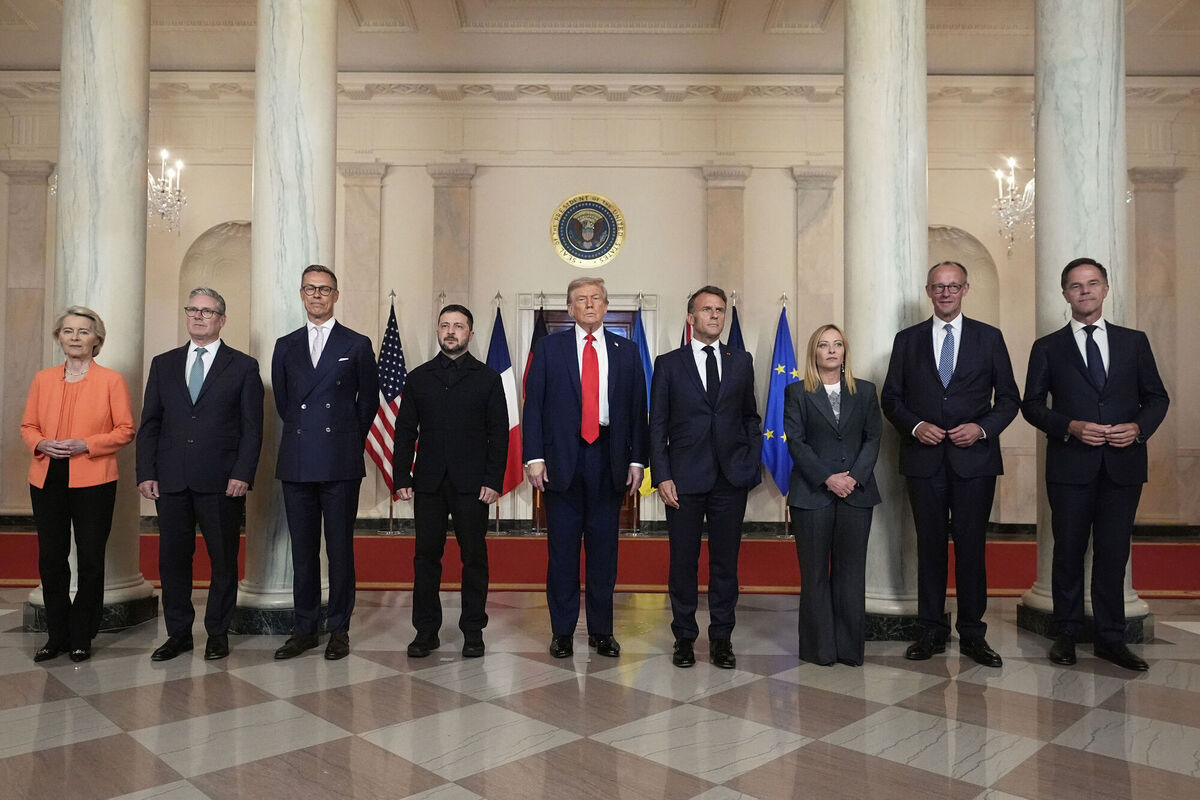
According to the German chancellor, Friedrich Merz, Mr Putin told Mr Trump in a call during Monday’s White House meeting that he was ready to meet Zelenskyy “within the next two weeks”. For his part, Zelenskyy reiterated on Monday that he was ready for talks with Putin.
Mr Merz and the Finnish president, Alexander Stubb, both offered some pointed language on the topic, saying in separate press conferences that it remained to be seen if the Russian president had the “courage” to go ahead with the meeting. Mr Stubb said: “Putin is rarely to be trusted.”
So far, the Kremlin aide Yuri Ushakov has said only that Putin and Trump discussed the idea of “raising the level of representatives” at Ukraine talks. Ushakov, in his comments late on Monday, did not specify what he meant by raising the level at meetings, and did not address the possibility of a trilateral meeting between the leaders.
Although Trump poured cold water on the importance of a ceasefire, he did offer hope on US involvement in helping guarantee Ukraine’s future security. After welcoming Mr Zelenskyy to the White House, he said: “When it comes to security, there’s going to be a lot of help,” even if European countries need to be “a first line of defence”.
Later, Mr Trump said in a post that these guarantees would be “coordinated” with the US.
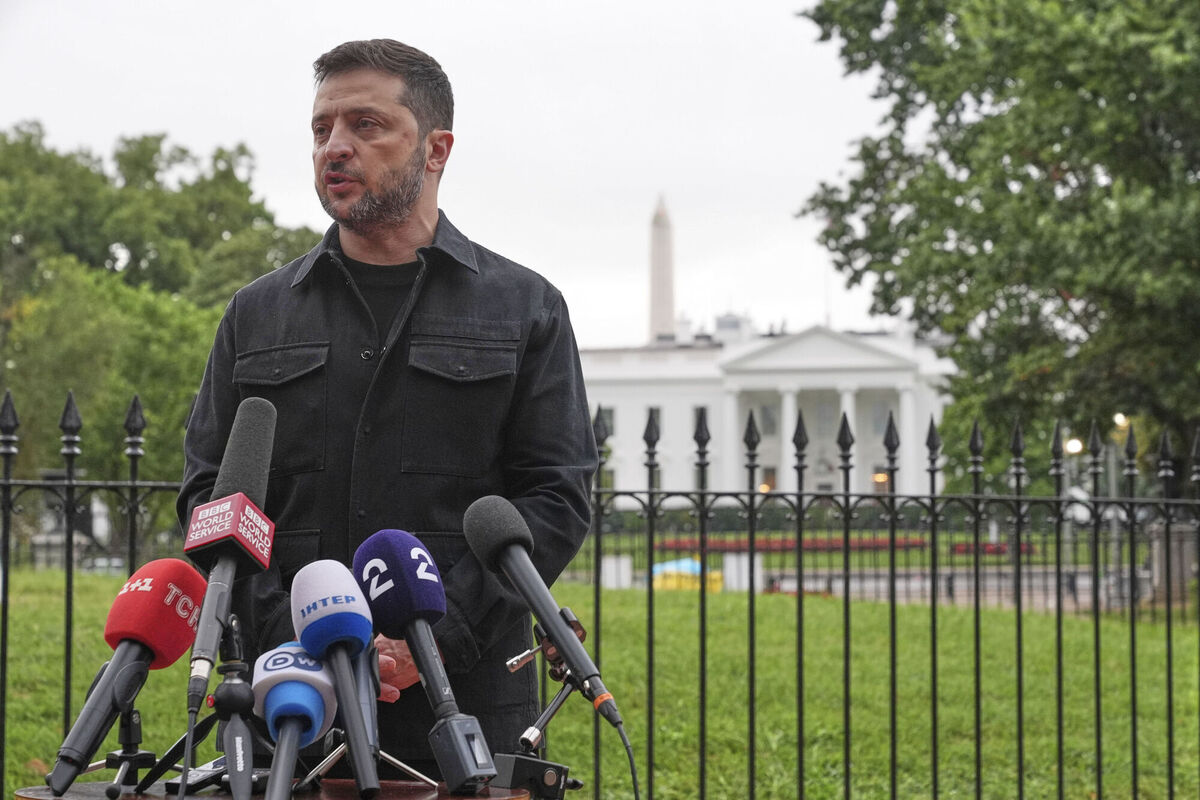
On Monday morning, Mr Zelenskyy described security guarantees as “a key issue, a starting point towards ending the war” and appreciated Trump’s indication that the US was ready to be part of that guarantee.
Mr Zelenskyy said those guarantees would be “formalised in some way in the next week or 10 days”, which can prove to be a long time when it comes to diplomacy involving Trump’s White House.
In a social media post late on Monday, Mr Trump said the White House talks included plans for European countries to provide security assurances to Ukraine, with the US acting as “coordinator”.
As western leaders discussed security guarantees at the White House, Russia’s foreign ministry issued a statement rejecting any prospect of Nato personnel being deployed in Ukraine. “We reaffirm our categorical opposition to any scenarios involving the stationing of a Nato contingent in Ukraine,” the ministry said.
The US president’s desire for a Nobel peace prize is well known – who can forget the “Trump Route for International Peace and Prosperity” established as part of a peace deal between Armenia and Azerbaijan this month – and it seemed clearly in his mind during his Oval Office meeting with Mr Zelenskyy.
The “peacemaker-in-chief” said he had ended six wars since he became president, with his administration claiming to have helped settle the conflicts between Israel and Iran, the Democratic Republic of Congo and Rwanda, Cambodia and Thailand, India and Pakistan, Serbia and Kosovo, and Egypt and Ethiopia. But, as Andrew Roth explains, it is a claim that stretches the realities on the ground.
Mr Trump’s approach to foreign crises is peppered with efforts to find a way to establish economic opportunity for US industry, and Ukraine may be no different if a deal is finalised. Mr Zelenskyy has, after all, previously had to negotiate the US president’s desire for Ukraine’s critical minerals as part of his rivalry with China.
On Monday, Mr Zelenskyy indicated that the price of obtaining security guarantees from the US included a pledge to buy $90bn of US weapons, primarily aircraft and air defence systems.
He added that the US would also buy into Ukraine’s drone program, an area in which it has made significant strides since Russia’s full-scale invasion began. Earlier, the Financial Times reported that the drone deal was worth $50bn.
CONNECT WITH US TODAY



Be the first to know the latest news and updates