US and Europe trade negotiators discuss tariffs in Paris
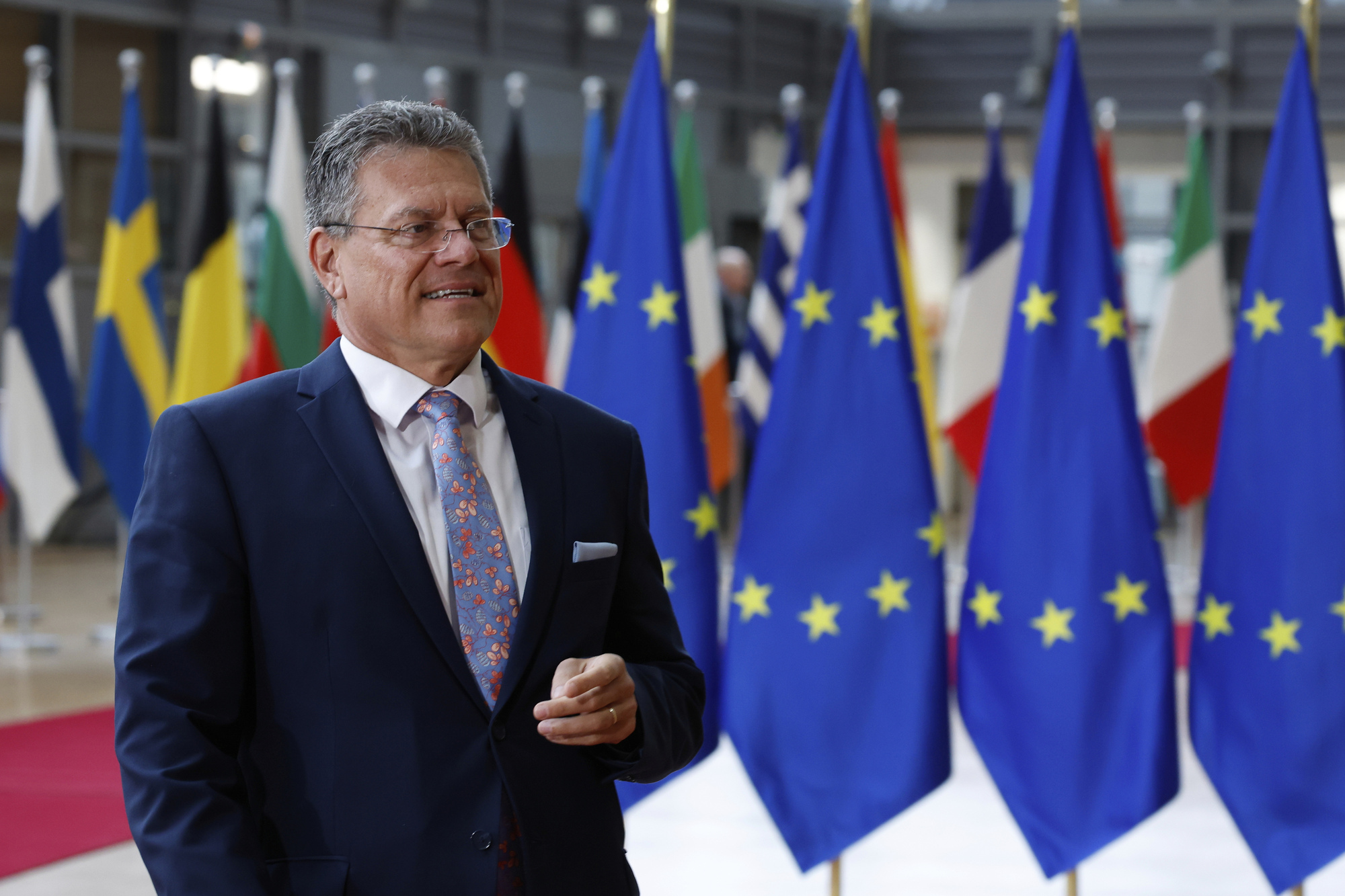
Europe and the United States are meeting in Paris to negotiate a settlement of a tense tariff spat with global economic ramifications between two economic powerhouses.
The European Union’s top trade negotiator, Maros Sefcovic, met on Wednesday with his American counterpart, US trade representative Jamieson Greer, on the sidelines of a meeting of the Organisation for Economic Co-operation and Development.
“We’re advancing in the right direction at pace,” Mr Sefcovic said at a news conference.
He said ongoing technical meetings between EU and US negotiators in Washington would be soon followed by a video conference between himself and Mr Greer to then “assess the progress and charter the way forward”.
Brussels and Washington are unlikely to reach a substantive trade agreement in Paris. The issues dividing them are too difficult to resolve quickly.
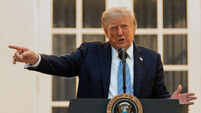
US President Donald Trump regularly criticises America’s persistent trade deficit with the European Union, which was a record 161 billion dollars (£119 billion)last year, according to the US Commerce Department.
Mr Trump blames the gap between what the US sells and what it buys from Europe on unfair trade practices and often singles out for criticism the EU’s 10% tax on imported cars.
America’s was 2.5% until Mr Trump raised it to 25% in April. The EU has argued its purchases of US services, especially in the technology sector, all but overcome the deficit.
After the Trump administration’s surprise tariffs last week on steel rattled global markets and complicated the ongoing, wider tariff negotiations between Brussels and Washington, the EU on Monday said it is preparing “countermeasures” against the US.
The EU could buy more liquefied natural gas and defence items from the US, and lower duties on cars, but it is not likely to budge on calls to scrap the value added tax, which is akin to a sales tax, or open up the EU to American beef.
“We still have a few weeks to have this discussion and negotiation,” French trade minister Laurent Saint-Martin said in Paris on Wednesday ahead of the OECD meeting.
“If the discussion and negotiation do not succeed, Europe is capable of having countermeasures on American products and services as well.”
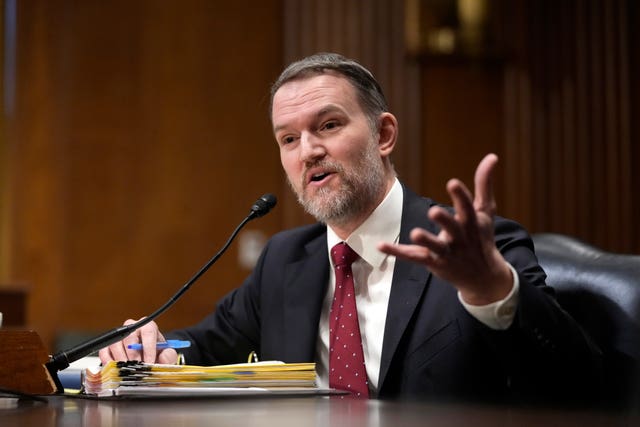
Greta Peisch, who was general counsel for the US trade representative in the Biden administration, said the zero-for-zero proposal could provide a way to make progress if the Trump administration “is looking for a reason not to impose tariffs on the EU”.
But Ms Peisch, now a partner at the Wiley Rein law firm, added: “How motivated is the US to come to a deal with the EU?”
Mr Trump, after all, has longstanding grievances and complaints about EU trade practices.
One target of his ire is the value-added tax.
Mr Trump and his advisers consider VATs unfair protectionism because they are levied on US products. But VATs are set at a national level, not by the EU, and apply to domestic and imported products alike, so they have not traditionally been considered a trade barrier.
There is little chance governments will overhaul their tax systems to appease Mr Trump.
Likewise, the Europeans are likely to balk at US demands to scrap food and safety regulations that Washington views as trade barriers. These include bans on hormone-raised beef, chlorinated chicken and genetically modified foods.
“When you start talking about chickens or GMOs or automobile safety standards, you’re talking about the ways countries choose to regulate their economies,” Ms Peisch said.
“We think that’s protectionist. They think it’s keeping their citizens healthy … It’s been a sore point for 60 years.”
CONNECT WITH US TODAY



Be the first to know the latest news and updates