Pope Leo XIV lays out vision of papacy and identifies AI as challenge for humanity
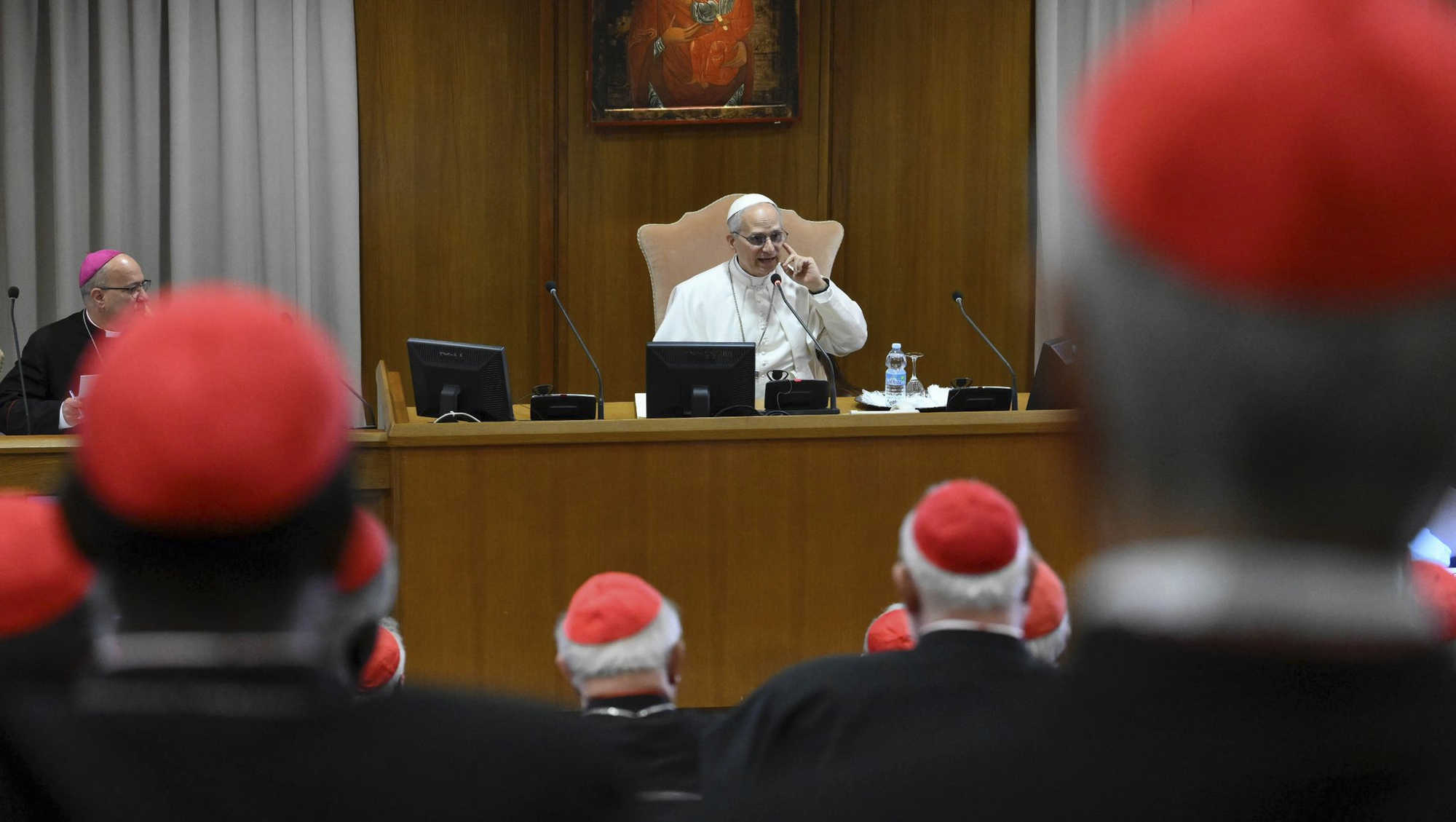
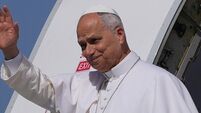
Pope Leo XIV identified AI as a a threat to humanity. Picture: Vatican Media via AP
Pope Leo XIV has laid out the vision of his papacy, identifying artificial intelligence as one of the most critical matters facing humanity and vowing to continue with some of the core priorities of Pope Francis.
But in a sign he was making the papacy very much his own, Leo made his first outing since his election to a sanctuary south of Rome that is dedicated to the Madonna and is of particular significance to his Augustinian order.
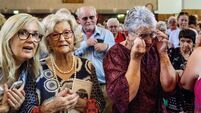
The townspeople of Genazzano gathered in the square outside the main church housing the Madre del Buon Consiglio (Mother of Good Counsel) sanctuary as Leo arrived in a car, flanked by Vatican security.
The sanctuary, which is managed by Augustinian friars, has been a place of pilgrimage since the 15th century and Leo visited it last year.
After praying in the church, Leo greeted the townspeople and told them they had both a gift and a responsibility in having the Madonna in their midst.
En route back to the Vatican, he stopped to pray at Francis’ tomb at St Mary Major Basilica.
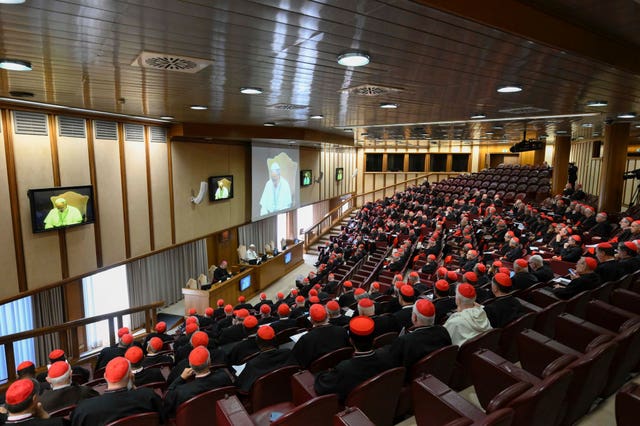
The after-lunch outing came after Leo presided over his first formal audience with the cardinals who elected him pope.
In it Leo repeatedly cited Francis and the Argentine pope’s own 2013 mission statement, making clear a commitment to making the Catholic Church more inclusive and attentive to the faithful and a church that looks out for the “least and rejected”.
Leo told the cardinals he was fully committed to the reforms of the Second Vatican Council, the 1960s meetings that modernised the church.
He identified AI as one of the main issues facing humanity, saying it poses challenges to defending human dignity, justice and labour.
Leo referred to AI in explaining the choice of his name: His namesake, Pope Leo XIII, was pope from 1878 to 1903 and laid the foundation for modern Catholic social thought.
He did so most famously with his 1891 encyclical Rerum Novarum, which addressed workers’ rights and capitalism at the dawn of the industrial age.
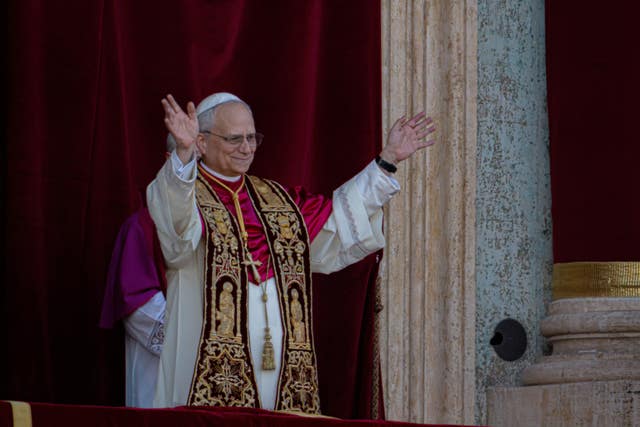
The late pope criticised both laissez-faire capitalism and state-centric socialism, giving shape to a distinctly Catholic vein of economic teaching.
In his remarks on Saturday, Leo said he identified with his predecessor, who addressed the great social question of the day posed by the industrial revolution in the encyclical.
“In our own day, the church offers everyone the treasury of its social teaching in response to another industrial revolution and to developments in the field of artificial intelligence that pose new challenges for the defence of human dignity, justice and labour,” he said.
Toward the end of his pontificate, Francis became increasingly vocal about the threats to humanity posed by AI and called for an international treaty to regulate it.
He warned that such powerful technology risks turning human relations into mere algorithms. Francis brought his message to the Group of Seven (G7) industrialised nations when he addressed their summit last year, insisting AI must remain human-centric so that decisions about when to use weapons or even less-lethal tools always remain made by humans and not machines.
The late Argentine pope also used his 2024 annual peace message to call for an international treaty to ensure AI is developed and used ethically, arguing that a technology lacking human values of compassion, mercy, morality and forgiveness is too perilous to develop unchecked.
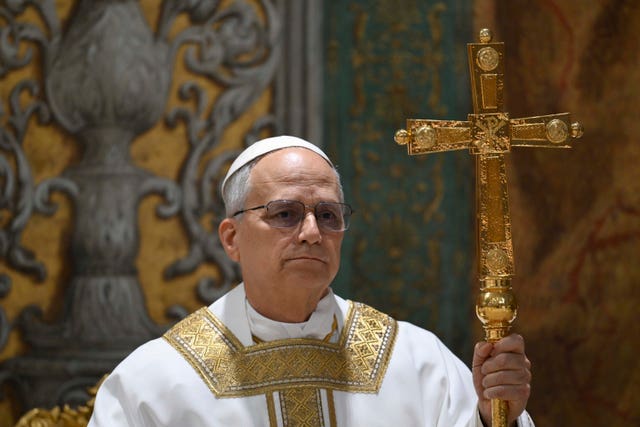
In the speech, delivered in Italian in the Vatican’s synod hall – not the Apostolic Palace – Leo made repeated references to Francis and the mourning over his death.
He held up Francis’ mission statement at the 2013 start of his pontificate, “The Joy of the Gospel”, as something of his own marching orders, suggesting he intends very much to continue with Francis’ priorities.
He cited Francis’ insistence on the missionary nature of the church and the need to make its leadership more collegial. He cited the need to pay attention to what the faithful say “especially in its most authentic and inclusive forms, especially popular piety”.
Again, referring to Francis’ 2013 mission statement, Leo cited the need for the church to express “loving care for the least and rejected” and engage in courageous dialogue with the contemporary world.


CONNECT WITH US TODAY



Be the first to know the latest news and updates