Bill Gates pledges his remaining fortune to the Gates Foundation
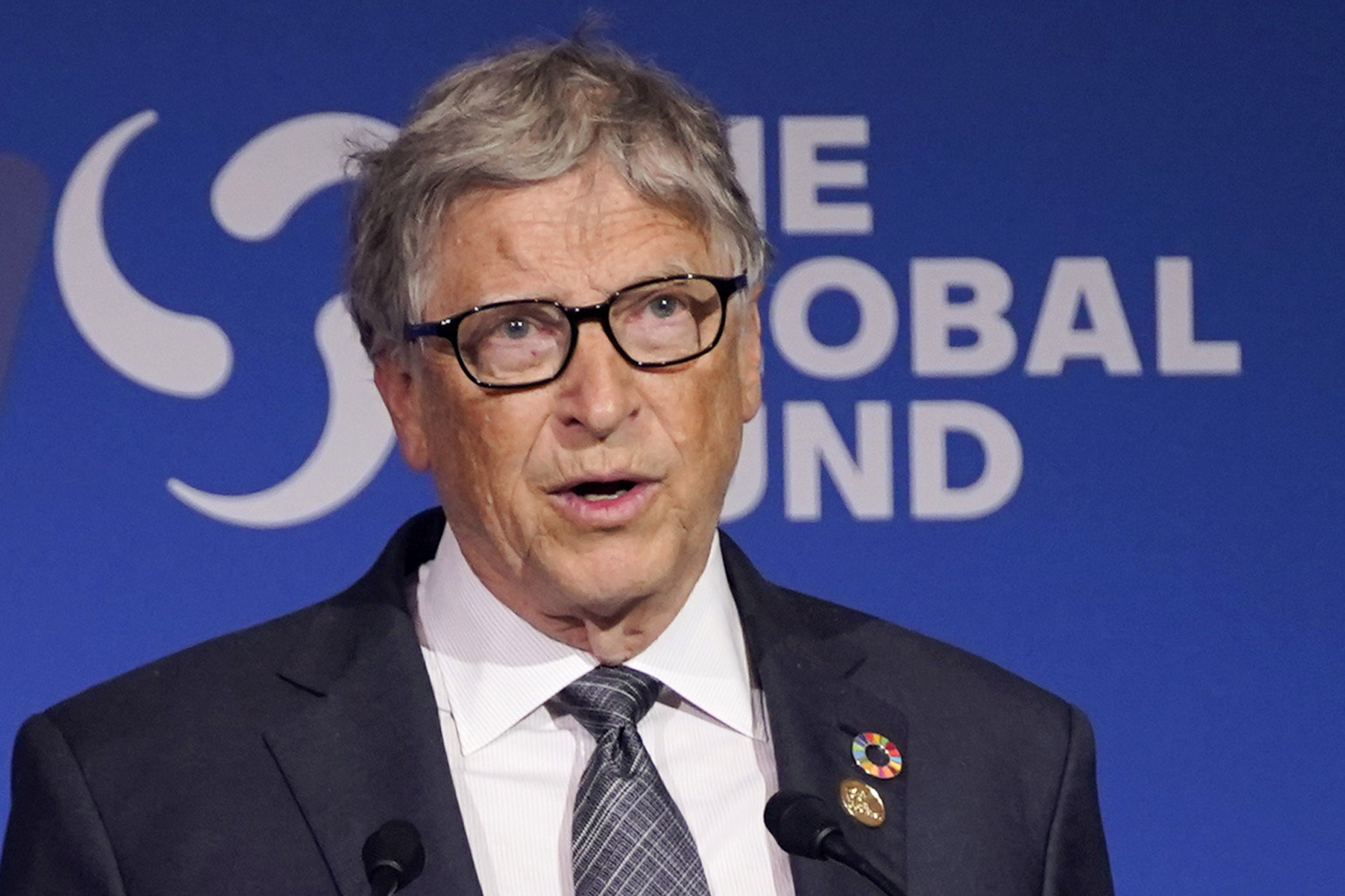
Bill Gates has said he will donate 99% of his remaining tech fortune to the Gates Foundation, which will now close in 2045, earlier than previously planned.
Today, that would be worth an estimated 107 billion dollars (£80.6 billion).
The pledge is among the largest philanthropic gifts ever, outpacing the historic contributions of industrialists such as John D Rockefeller and Andrew Carnegie when adjusted for inflation.
Only Berkshire Hathaway investor Warren Buffett’s pledge to donate his fortune — currently estimated by Forbes at 160 billion dollars (£120.6 billion) — may be larger depending on stock market fluctuations.
Mr Gates’ donation will be delivered over time and allow the foundation to spend an additional 200 billion dollars (£150.8 billion) over the next 20 years.
The foundation already has an endowment of 77 billion dollars (£58 billion) built from donations from Mr Gates, his former wife Melinda French Gates and Mr Buffett.
“It’s kind of thrilling to have that much to be able to put into these causes,” Mr Gates said in an interview with The Associated Press.
His announcement on Thursday signals both a promise of sustained support to those causes, particularly global health and education in the US, and an eventual end to the foundation’s immense worldwide influence.
Mr Gates says spending down his fortune will help save and improve many lives now, which will have positive ripple effects well beyond the foundation’s closure. It also makes it more likely that his intentions are honoured.
“I think 20 years is the right balance between giving as much as we can to make progress on these things and giving people a lot of notice that now this money will be gone,” the co-founder of Microsoft said.
The pledge is “a welcome bit of boldness”, at a time when optimism is in short supply said, Rhodri Davies, a philanthropy expert and author of the publication, Public Good By Private Means.
“This announcement seems like yet more evidence that norms in foundation philanthropy might be shifting” away from a default of operating in perpetuity, he said.
The Gates Foundation has long been peerless among foundations, attracting supporters and detractors but also numerous unfounded conspiracy theories.
In addition to the 100 billion dollars it has spent since its founding 25 years ago, it has directed scientific research, helped develop new technologies, and nurtured long-term partnerships with countries and companies.
About 41% of the foundation’s money so far has come from Mr Buffett and the rest from the fortune Mr Gates made at Microsoft.
Started by Mr Gates and Ms French Gates in 2000, the foundation plays a significant role in shaping global health policy and has carved out a special niche by partnering with companies to drive down the cost of medical treatments so low and middle-income countries could afford them.
“The foundation work has been way more impactful than I expected,” Mr Gates said, calling it his second and final career.
The foundation’s influence on global health — from the World Health Organisation to research agendas — is both a measure of its success and a magnet for criticism. For years, researchers have asked why a wealthy family should have so much sway over how the world improves people’s health and responds to crises.
Mr Gates said, like any private citizen, he can choose how to spend the money he earns and has decided to do everything he can to reduce childhood deaths.
“Is that a bad thing? It’s not an important cause? People can criticise it,” he said, but the foundation will stick to its global health work.
CONNECT WITH US TODAY



Be the first to know the latest news and updates