Britain's Prince Harry says he ‘can’t see a world’ where his family come to UK after lost appeal
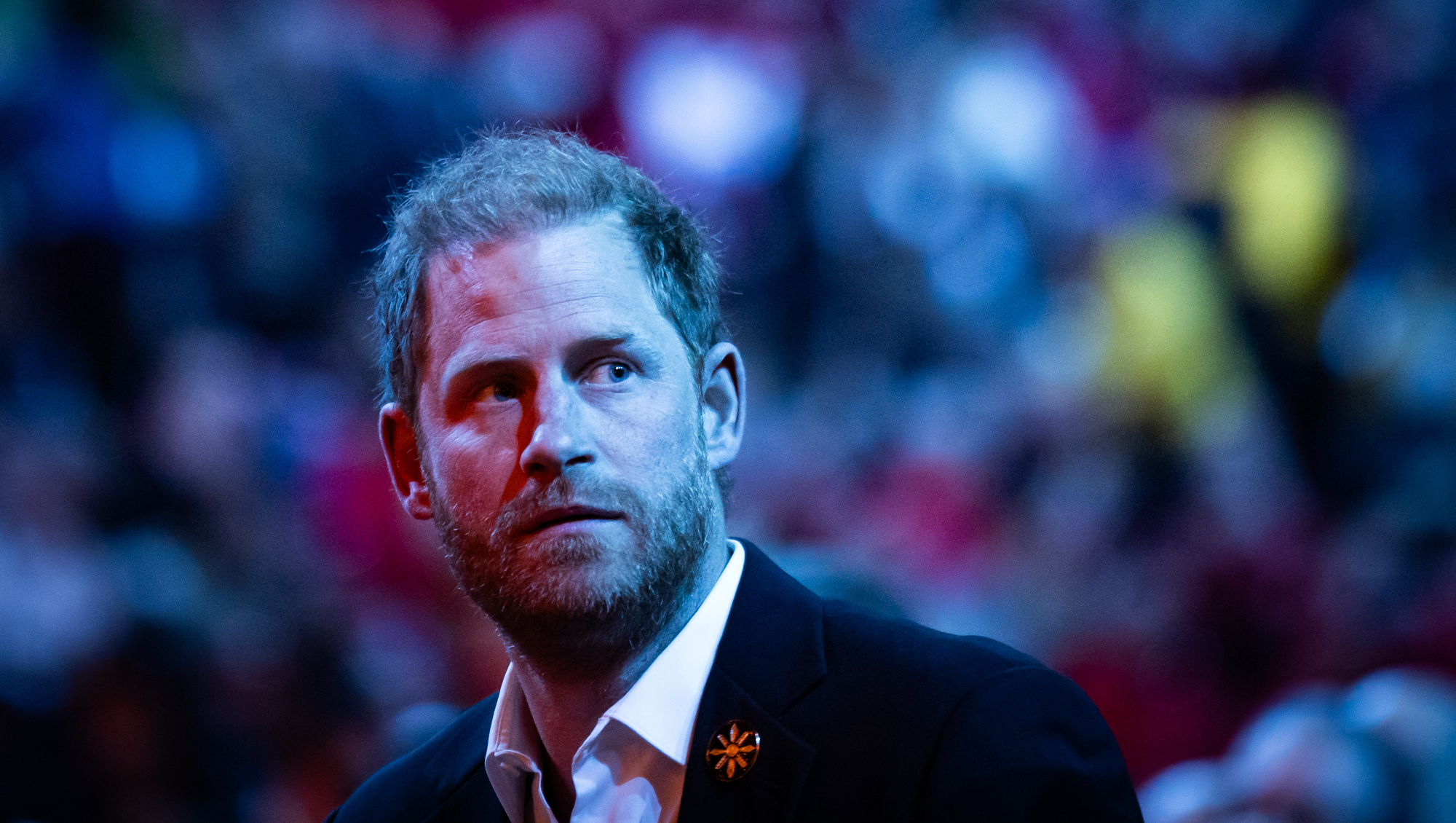
The Duke of Sussex attending the Closing Ceremony of the 2025 Invictus Games, at the Rogers Arena in Vancouver, Canada (Aaron Chown/PA)
Britain's Prince Harry has said he “can’t see a world in which I would be bringing my wife and children back to the UK” after he lost a Court of Appeal challenge over his security arrangements while in the country.
Harry, 40, lost his appeal against the dismissal of his High Court claim against the Home Office over the decision of the Executive Committee for the Protection of Royalty and Public Figures (Ravec) that he should receive a different degree of protection when in the UK.
The challenge came after Harry and Meghan left the UK and first moved to Canada, and then California, after announcing they wanted to step back as senior royals.
In a summary of the ruling on Friday, judge Geoffrey Vos said Ravec’s decision was “understandable and perhaps predictable”.
Following the decision, Harry told BBC News it is “impossible” for him to take his family back to the UK safely after losing his Court of Appeal challenge over his security arrangements while in the country.
He told the broadcaster that he will “continue on with a life of public service”, adding: “So I will always support the charities and the people that mean so much to me.”
He continued: “I can’t see a world in which I would be bringing my wife and children back to the UK at this point, and the things that they’re going to miss is, well, everything you know.
“I love my country I always have done, despite what some people in that country have done.
I can’t see a world in which I would be bringing my wife and children back to the UK at this point, and the things that they’re going to miss is, well, everything you know
“So you know? I miss the UK, I miss parts of the UK. Of course I do. And I think that it’s really quite sad that I won’t be able to show my children my homeland.”
The prince also said in the interview that “everything” made him feel unsafe about his current security arrangements.
He continued: “I would not have taken this this far if I did not have compelling evidence of facts that reveal why the decision was made and I am sitting here today talking to you, where we have lost the appeal, but the other side have won in keeping me unsafe, so again there is a lot of question marks that a lot of people will have.”
Harry later said that he can “never leave the royal family”, and that he left the institution “because at the end of the day I had to”.
During a two-day hearing in April, his barristers said that he was “singled out” for “inferior treatment” and that Ravec did not follow its own “terms of reference” when deciding his security.
Harry attended both days of last month’s appeal in London, where his barrister, Shaheed Fatima KC, said his safety, security and life are “at stake”, and that the “human dimension” of the case should not be forgotten.
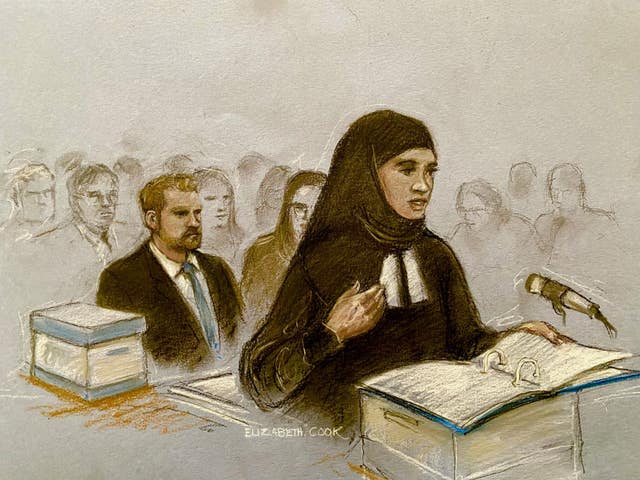
The Home Office, which is legally responsible for Ravec’s decisions, opposed the appeal, with its lawyers telling the court that a “bespoke” process was used for Harry and that the duke had “no proper basis” for challenging Ravec’s decision.
In the summary of the decision given on Friday, Mr Vos, sitting with Lord Justice Bean and Lord Justice Edis said: “The duke was in effect stepping in and out of the cohort of protection provided by Ravec.
“Outside the UK, he was outside the cohort, but when in the UK, his security would be considered as appropriate.”
He continued: “It was impossible to say that this reasoning was illogical or inappropriate, indeed it seemed sensible.”
The judge added that arguments from Harry’s barrister were “powerful and moving”, and that it was “plain that the duke felt badly treated by the system”.
But he continued: “I concluded, having studied the detail of the extensive documentation, I could not say that the duke’s sense of grievance translated into a legal argument for the challenge to Ravec’s decision.”
A Home Office spokesperson said: “We are pleased that the court has found in favour of the government’s position in this case.
“The UK government’s protective security system is rigorous and proportionate.
“It is our long-standing policy not to provide detailed information on those arrangements, as doing so could compromise their integrity and affect individuals’ security.”

CONNECT WITH US TODAY



Be the first to know the latest news and updates