Anzac Day hecklers strike as Australia, New Zealand remember fallen war heroes
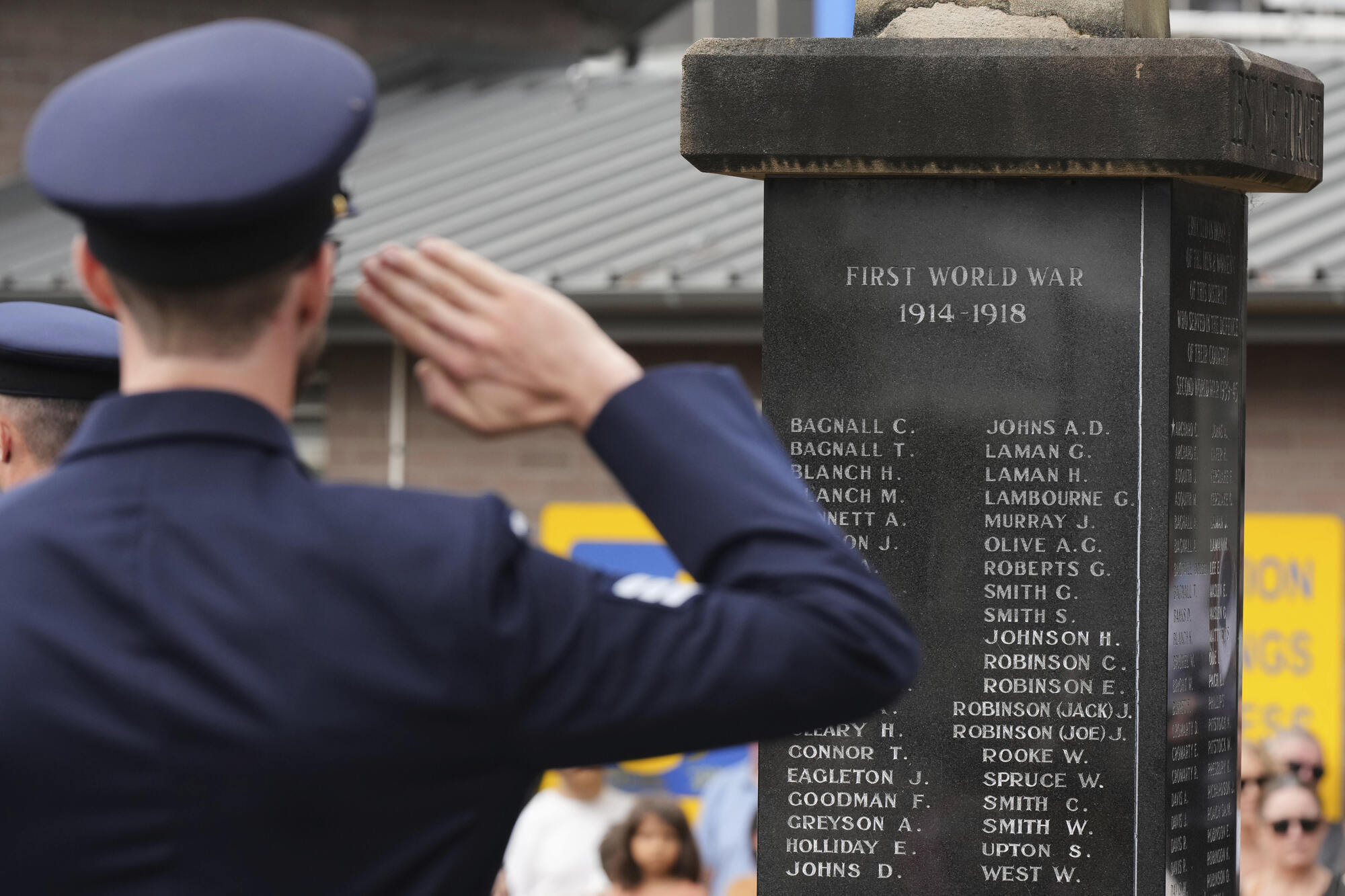
Hundreds of thousands of people gathered across Australia and New Zealand on Friday for dawn services and street marches to commemorate Anzac Day, a day of remembrance shared by the two nations to remember those lost to war.
However, at least two Australian services were disrupted by protests, with hecklers disrupting services in Melbourne and Perth.

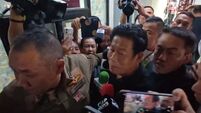
A small group of hecklers disrupted a dawn service attended by 50,000 people at the Shrine of Remembrance in Melbourne with boos and jeers.
The booing began when Indigenous man Mark Brown started the service with a so-called Welcome to Country — a ceremony in which Indigenous Australians welcome visitors to their traditional land.
The interruptions continued at any mention of Indigenous soldiers.
Hecklers yelled “this is our country” and “we don’t have to be welcomed”, echoing a slogan of the minor party Trumpet of Patriots.
The party’s extensive advertising is funded by mining magnate Clive Palmer and is inspired by US President Donald Trump’s policies.
Hecklers were drowned out by the applause of others who urged Mr Brown to continue.
Veteran Affairs minister Matt Keogh credited the heckling as led by a person who is “a known neo-Nazi”.
“We’re commemorating some of those soldiers who fell in a war that was fought against that sort of hateful ideology, and so it was completely disrespectful and it’s not something that is welcome at Anzac Day commemorations ever,” Mr Keogh said.
Victoria Police said a 26-year-old man was directed to leave the service.
The man had been interviewed over an allegation of offensive behaviour and would be issued a summons to appear in court, a Victoria Police statement said.
A heckler also disrupted the Welcome to Country at the main dawn service in the Western Australia state capital of Perth.
Western Australia premier Roger Cook condemned the interruption as “totally disrespectful” and “disgusting”.
“This is a solemn occasion. It’s one where we should come together as a community and for someone to use it to make a political point and in that disrespectful way is really quite unacceptable,” Mr Cook said.
Australian Prime Minister Anthony Albanese and opposition leader Peter Dutton took a day off campaigning ahead of the nation’s upcoming federal elections on May 3 as a mark of respect.
Mr Albanese attended a dawn service at the Australian War Memorial in the national capital of Canberra.
“Each year, we renew our vow to keep the flame of memory burning so brightly that its glow touches the next generation and the generation after that,” Mr Albanese told a gathering of 25,000 people.
Mr Dutton laid a wreath at a dawn service in the Queensland capital city of Brisbane.
New Zealand Prime Minister Christopher Luxon travelled to Gallipoli to commemorate the 110th anniversary of the landing day.
He told a dawn service at Anzac Cove that New Zealand’s contribution of 16,000 soldiers to the Gallipoli campaign was disproportionately large from a national population that was then only one million people.
“What happened here scarred generations of New Zealanders. While we remain proud of those who serve, we do not glorify what happened here. We know too much to do that,” Mr Luxon said.
“Instead, we acknowledge the courage and tenacity of the Anzacs and we respect the valour of the Ottoman Turks who resisted them,” he added.
The service was also attended by the Princess Royal.
Anne represented the British royal family and the king’s representative in Australia, Governor-General Sam Mostyn.
Charles, who is the head of state of both Australia and New Zealand, sent a message thanking that country’s Second World War veterans for their service as the 80th anniversary of the end of that conflict nears.
The New Zealand government was aware of 81 surviving veterans in that country, news website Stuff said.
In 2025, Australia has fewer than 1,300 surviving veterans from the Second World War, according to the Sydney Morning Herald.
April 25 marks the date in 1915 when the newly formed Australia and New Zealand Army Corps landed on the beaches of Gallipoli, in northwest Turkey, in an ill-fated campaign that was the soldiers’ first combat of the First World War.