Singapore parliament dissolved to pave way for election
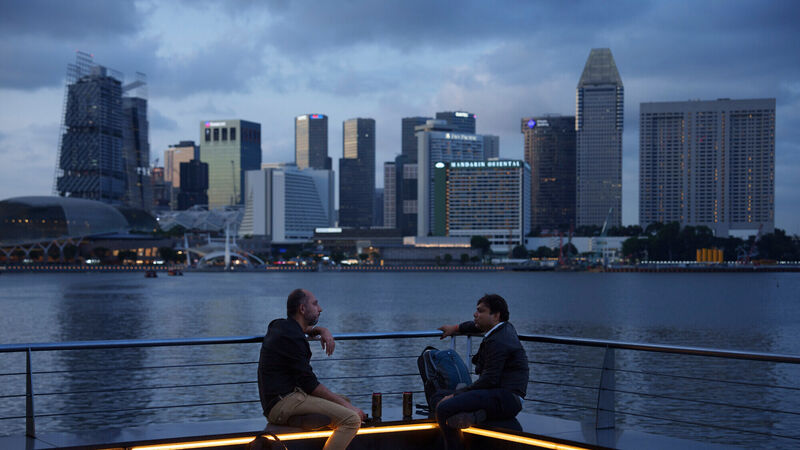
Singapore’s parliament was dissolved, paving the way for general elections in which the city-state’s long-ruling People’s Action Party will seek to strengthen its dominance under prime minister Lawrence Wong.
The Elections Department is expected to set a date for the polls later in the afternoon.
Victory is virtually assured for the PAP, which has led Singapore since its independence in 1965.
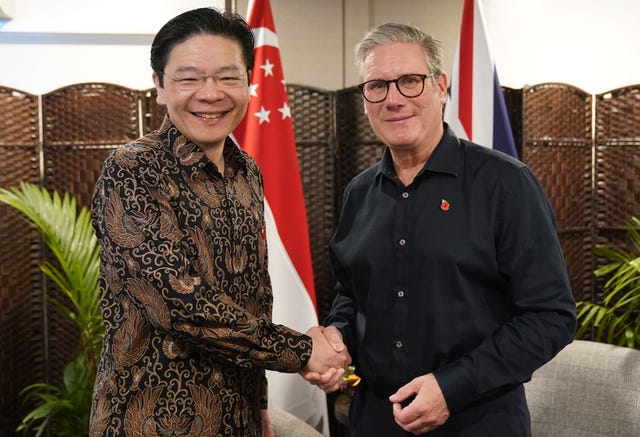
But Mr Wong, who was sworn in as Singapore’s fourth leader in May last year, wants to clinch a stronger win after the PAP suffered a setback in 2020 polls over voters’ rising discontent with the government.
Mr Wong succeeded Lee Hsien Loong, who stepped down after two decades at the helm.
Mr Lee’s departure marked the end of a family dynasty started by his father, Lee Kuan Yew, Singapore’s first leader who built the colonial trading outpost into one of the world’s richest nations during 31 years in office.
In the 2020 polls held during the Covid-19 pandemic, the PAP maintained its supermajority with 83 out of 93 seats.
But it ceded more seats to the opposition, which increased its parliamentary representation from six to 10, the highest ever.
The PAP’s share of popular support also slipped to a near-record low of 61%.
As Mr Wong heads into his first general election as PAP chief, he has sought to reach out to disgruntled younger voters.
He launched a “Forward Singapore” plan that aims to give Singaporeans a say in how to develop a more balanced, vibrant and inclusive agenda for the next generation.
The PAP will field more than 30 new candidates to refresh the party.
Mr Wong has warned that “who you have in the cockpit matters” amid economic uncertainties as US tariffs hit the global trading system.
“The biggest contest we face isn’t between political parties, it’s Singapore vs the world,” Mr Wong said in a Facebook post earlier this week.
“Our mission… is clear: to keep our nation a shining beacon of stability, progress and hope.”
While Singapore has flourished as one of the world’s wealthiest nations, it has also become one of the most expensive cities to live in.
The PAP has been criticised for tight government control and a government-knows-best stance, media censorship and the use of oppressive laws against dissidents.
Issues like widening income disparity, increasingly unaffordable housing, overcrowding caused by immigration and restrictions on free speech have also loosened the PAP’s grip on power.


CONNECT WITH US TODAY



Be the first to know the latest news and updates