States sue to block Trump’s election order, saying it violates US constitution
The lawsuit, filed on Thursday, called the president’s move an unconstitutional invasion of states’ clear authority to run their own elections
States sue to block Trump’s election order, saying it violates US constitution

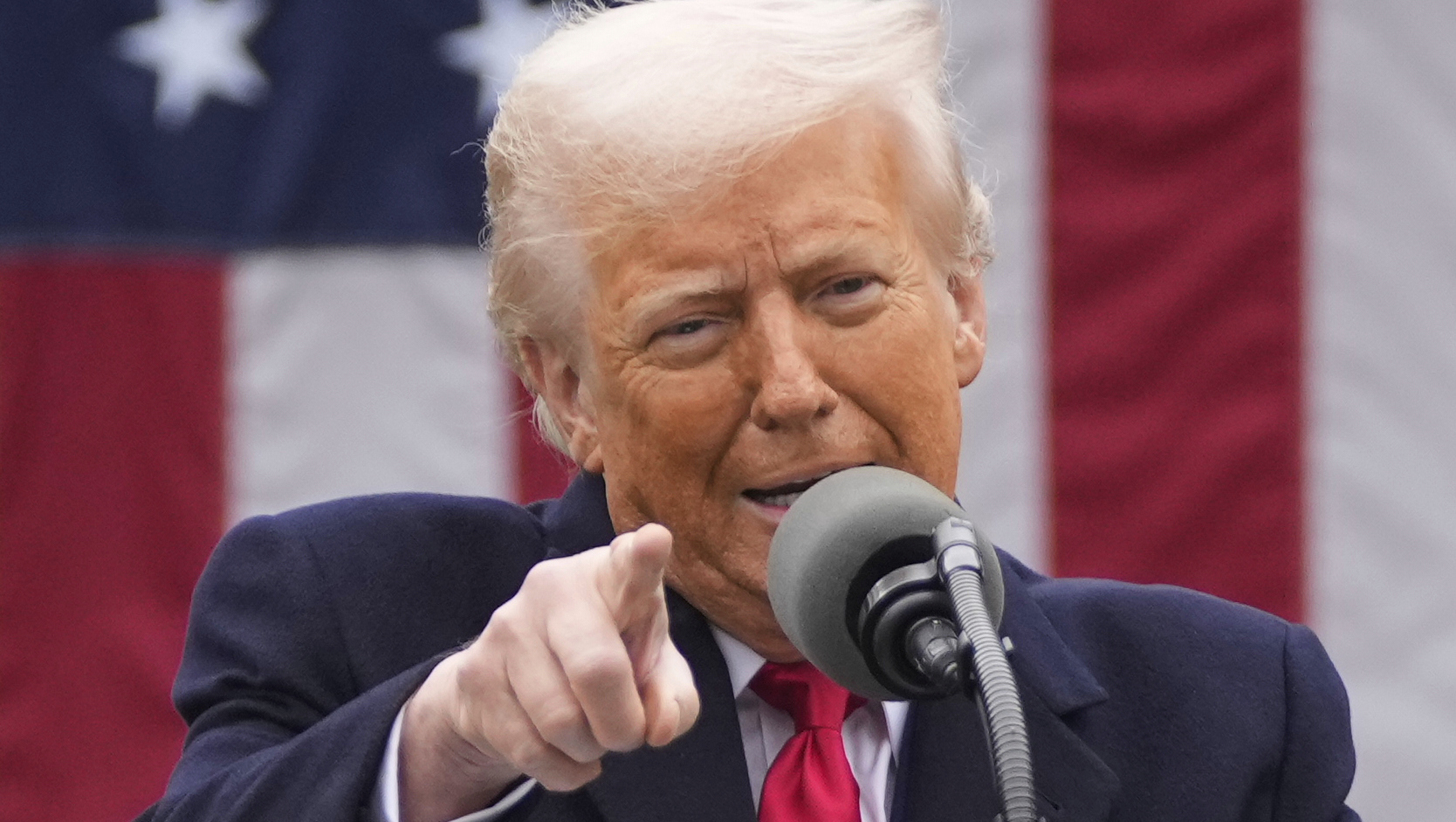
President Donald Trump speaks during an event to announce new tariffs (AP/Mark Schiefelbein)

Democratic officials in 19 states have filed a lawsuit against US president Donald Trump’s attempt to reshape elections.

The lawsuit, filed on Thursday, called the president’s move an unconstitutional invasion of states’ clear authority to run their own elections.

It seeks to block key aspects of it, including new requirements that people provide documentary proof of citizenship when registering to vote and a demand that all mail ballots be received by election day.

The lawsuit is the fourth against the executive order issued just a week ago.

Josette Baublitz marks her ballot while voting at Waters Edge event venue in the state’s Supreme Court election (AP/Kayla Wolf)

“The President has no power to do any of this,” the state attorneys general wrote in court documents.

Mr Trump’s order said the US has failed “to enforce basic and necessary election protection”.

Election officials have said recent elections have been among the most secure in US history.

There has been no indication of any widespread fraud, including when Mr Trump lost to Democrat Joe Biden in 2020.

The order is the culmination of Mr Trump’s long-standing complaints about how US elections are run.

After his first win in 2016, Mr Trump falsely claimed his popular vote total would have been much higher if not for “millions of people who voted illegally”.

In 2020, he blamed a “rigged” election for his loss and falsely claimed widespread voter fraud and manipulation of voting machines.

Mr Trump has argued his order secures the vote against illegal voting by non-citizens, although multiple studies and investigations in the states have shown that it is rare.

It has received praise from the top election officials in some Republican states who say it could inhibit instances of voter fraud and will give them access to federal data to better maintain their voter rolls.

The order also requires states to exclude any mail-in or absentee ballots received after election day and puts federal funding for states at risk if election officials do not comply.

Some states count ballots as long as they are postmarked by election day or allow voters to correct minor errors on their ballots.

Forcing states to change, the suit says, would violate the broad authority the constitution gives states to set their own election rules. It says they decide the “times, places and manner” of how elections are run.

Congress has the power to “make or alter” election regulations, at least for federal office, but the constitution does not mention any presidential authority over election administration.

“We are a democracy, not a monarchy, and this executive order is an authoritarian power grab,” said New York attorney general Letitia James.

Rhode Island attorney general Peter Neronha said the Trump administration is requiring states to either comply with an unconstitutional order or lose congressionally approved funding, something he said the president has no authority to do.

“In one fell swoop, this president is attempting to undermine elections and sidestep the Congress, and we’re not going to stand for it,” he said.

California attorney general Rob Bonta said Mr Trump’s executive order was an attempt to impose “sweeping voting restrictions” across the country and disenfranchise voters.

The attorney general and secretary of state in Nevada, a presidential battleground, defended their state’s elections as fair, secure and transparent, and objected to the president’s attempt to interfere in how they are run.

Attorney general Aaron Ford praised Nevada’s automatic systems for registering voters and distributing mail ballots.

“While this order is on its face unconstitutional and illegal, it is also unnecessary,” he said.

A request for comment sent to the White House was not immediately returned.

Other lawsuits filed over the order argue it could disenfranchise voters because millions of eligible voting-age Americans do not have the proper documents readily available.

People are already required to attest to being citizens, under penalty of perjury, to vote.

x

More in this section

Cookie Policy Privacy Policy Brand Safety FAQ Help Contact Us Terms and Conditions

© Examiner Echo Group Limited