South Korean parliament votes to impeach President over martial law order
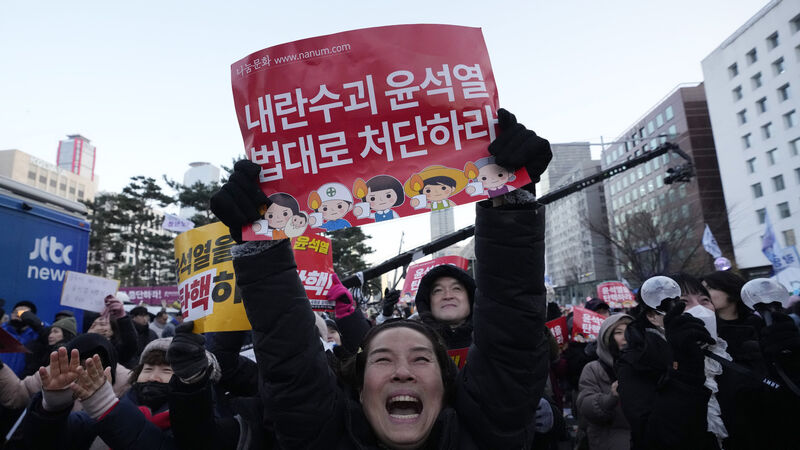
South Korea’s parliament has impeached President Yoon Suk Yeol over his stunning and short-lived martial law decree.
The move ended days of political paralysis and triggered an intense debate over Mr Yoon’s fate.
Crowds in the capital Seoul have celebrated another defiant moment in the country’s resilient democracy.
The National Assembly passed the motion by 204-85. Mr Yoon’s powers and duties were subsequently suspended and Prime Minister Han Duck-soo took over presidential powers later on Saturday.
The Constitutional Court has up to 180 days to determine whether to dismiss Mr Yoon as president or restore his powers. If he is thrown out of office, a national election to choose his successor must be held within 60 days.
It was the second National Assembly vote on Mr Yoon’s impeachment after ruling party members boycotted the first floor vote last Saturday.
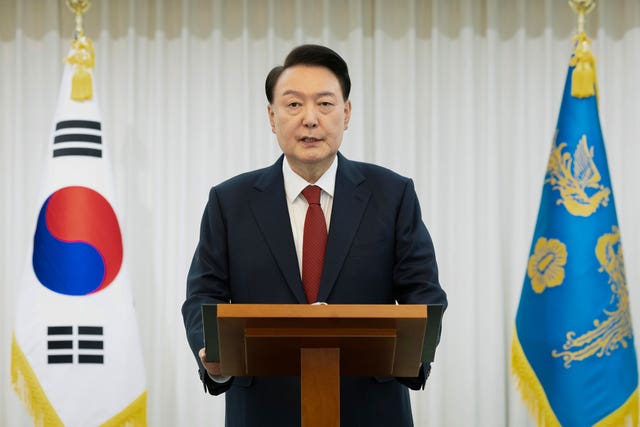
Some People Power Party legislators had since said they would vote for Mr Yoon’s impeachment as public protests intensified and his approval rating plummeted.
National Assembly Speaker Woo Won Shik said Mr Yoon’s impeachment was an outcome driven by “the people’s ardent desire for democracy, courage and dedication”.
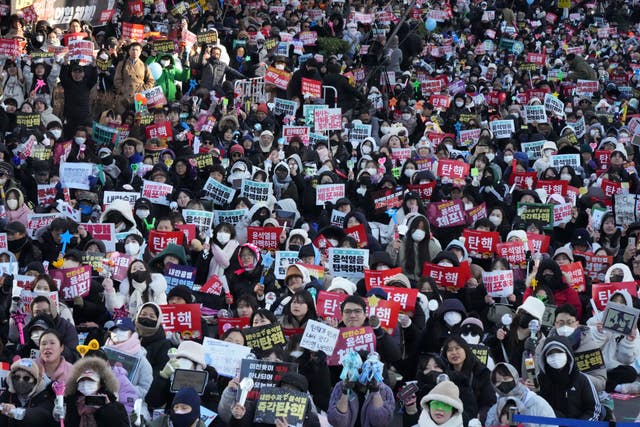
Hundreds of thousands of people gathered near the parliament roared in jubilation, waved banners and brandished colourful K-pop glow sticks, as a lead activist declared on stage: “We have preserved the constitutional order.”
In a central Seoul plaza, another huge crowd gathered in support of Mr Yoon, but they grew subdued after hearing he had been impeached. Both rallies have largely been peaceful.
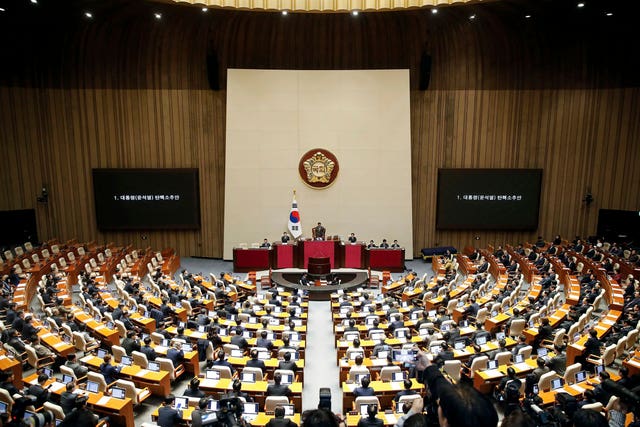
Mr Yoon issued a statement saying he would “never give up”, and calling for officials to maintain stability in government functions during what he described as a “temporary” pause of his presidency.
“I will carry with me all the criticisms, encouragement and support directed toward me, and I will continue to do my utmost for the country until the very last moment,” Mr Yoon said.
His imposition of martial law on December 3, the first of its kind in more than four decades in South Korea, lasted only six hours, but has caused massive political tumult, halted diplomatic activities and rattled financial markets. Mr Yoon was forced to lift his decree after parliament unanimously voted to overturn it.
Mr Han, the acting leader, ordered the military to bolster its security posture to prevent North Korea from launching provocations by miscalculation.
The Prime Minister asked the foreign minister to inform other countries that South Korea’s major external policies remain unchanged, and the finance minister to work to minimise potential negative impacts on the economy by the political turmoil.
Mr Han said in a televised statement: “I earnestly ask public servants this. At this moment, we have the critical task of ensuring normal and stable operations of state affairs … I ask you to carry out your duties without any neglect to ensure that the government is operated without being shaken.”
South Korea’s executive power is concentrated with the President, but the Prime Minister leads the country if the President becomes incapacitated.
Mr Han is a seasoned official and has previously held a string of top government posts such as trade minister and finance minister and was the ambassador to the US. He also previously served as Prime Minister from 2007-2008.
Philip S Goldberg, the US ambassador in South Korea, wrote on X that he just met South Korean Foreign Minister Cho Tae-yul and they reaffirmed the two countries’ alliance will remain “ironclad”.
Mr Goldberg said the US supports South Korea’s “democratic and constitutional process here and stands with its people”.
After declaring martial law, Mr Yoon sent hundreds of troops and police officers to the parliament to try to impede its vote on the decree, before they withdrew after the parliament rejected Mr Yoon’s decree. No major violence occurred.
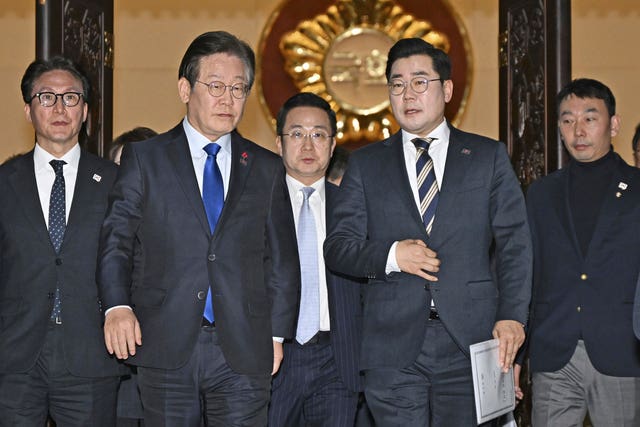
Opposition parties and many experts accuse Mr Yoon of rebellion, citing a law that categorises as rebellion the staging of a riot against established state authorities to undermine the constitution.
They also say that a president in South Korea is allowed to declare martial law only during wartime or similar emergencies and has no right to suspend parliament’s operations even under martial law.
The impeachment motion alleged that Mr Yoon “committed rebellion that hurt peace in the Republic of Korea by staging a series of riots”.
It said Mr Yoon’s mobilisation of military and police forces threatened the National Assembly and the public and that his martial law decree was aimed at disturbing the constitution.


CONNECT WITH US TODAY



Be the first to know the latest news and updates