Haiti’s transitional council names new PM amid hopes of quelling violence
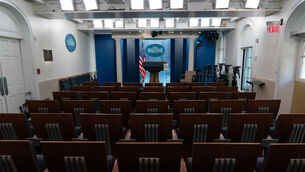
Haiti’s newly installed transitional council has chosen former sports minister Fritz Belizaire as the country’s prime minister as it presses forward in its monumental task of trying to establish a stable new government amid stifling violence.
Mr Belizaire replaces Michel Patrick Boisvert, the former minister of economy and finance who was the current interim prime minister.
Mr Belizaire is little known and even some members of the council did not know him.
The nine-member transitional council, seven of whom have voting rights, is choosing a new prime minister and cabinet in a bid to help quell gang violence that is choking the capital, Port-au-Prince, and beyond.
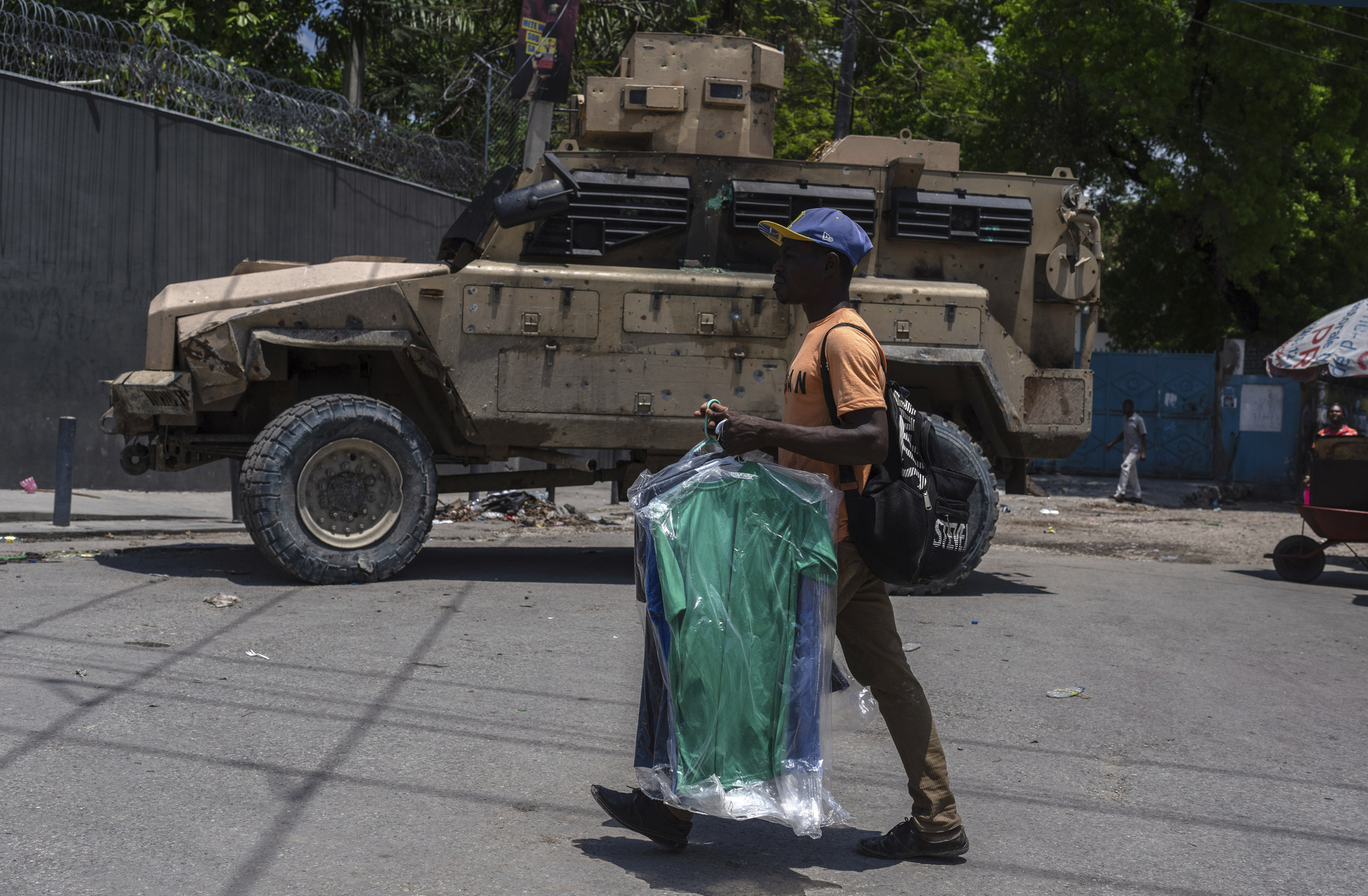
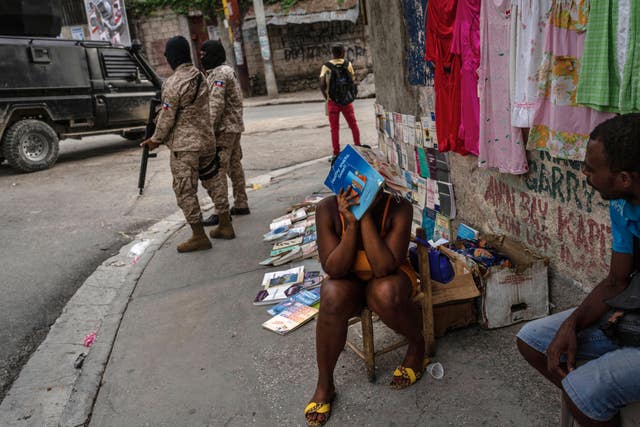
More than 90,000 people have fled Port-au-Prince in the span of one month and, overall, more than 360,000 people have been left homeless in recent years as gunmen raze communities in rival territories.
Mr Belizaire had the support of four of the council’s voting members.
Earlier, the council chose Edgard Leblanc Fils, a former presidential candidate, as its president.
“This experience proves we are capable of negotiations,” Mr Fils said after announcing Mr Belizaire as the new prime minister.
The announcement of Mr Belizaire came as a surprise. A murmur rose through the attendees as Mr Fils announced that four council members with voting powers had selected Mr Belizaire as prime minister.
Leslie Voltaire, one of the voting council members, told the Associated Press, “I don’t know him”, when asked whether he supported Mr Belizaire.
Mr Belizaire served as Haiti’s sports minister during the second presidency of Rene Preval from 2006 to 2011.
After the brief announcement, which was made nearly two hours after the event was supposed to start, the council went behind closed doors again to talk about their choices for cabinet. Mr Voltaire, however, said he did not expect the council to announce cabinet selections on Tuesday.
The majority supporting Mr Belizaire as prime minister included Mr Fils, Smith Augustin, Louis Gerald Gilles and Emmanuel Vertilaire.
The transitional council will act as the country’s presidency until it can arrange presidential elections some time before it disbands, which must be by February 2026.
Haitians remain divided over whether they believe a transitional government can help calm a troubled country whose capital has been under siege since gangs launched co-ordinated attacks that began on February 29.
Gang members have burned police stations, opened fire on the main international airport that remains closed since early March and broke into Haiti’s two biggest prisons, releasing more than 4,000 inmates. The country’s biggest seaport also remains largely paralysed by gang violence.
The council is expected to support the UN-backed deployment of a Kenyan police force to help fight gangs, although it is unclear when that might happen.
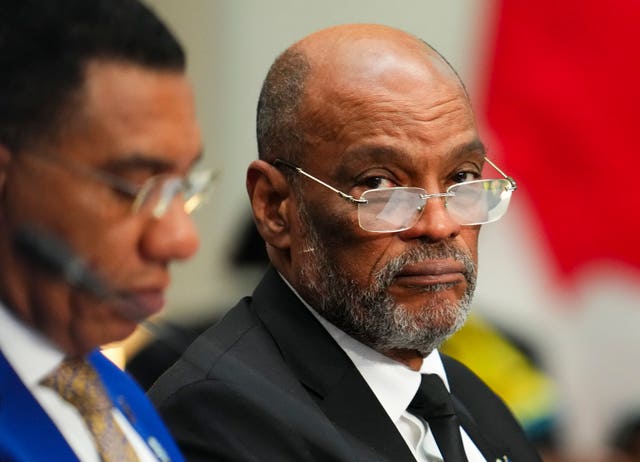
Former prime minister Ariel Henry was on an official trip to the East African country when the co-ordinated gang attacks began, and he remains locked out of Haiti. He submitted his resignation last week.
CONNECT WITH US TODAY



Be the first to know the latest news and updates