Gaza ceasefire hopes alive with more talks planned
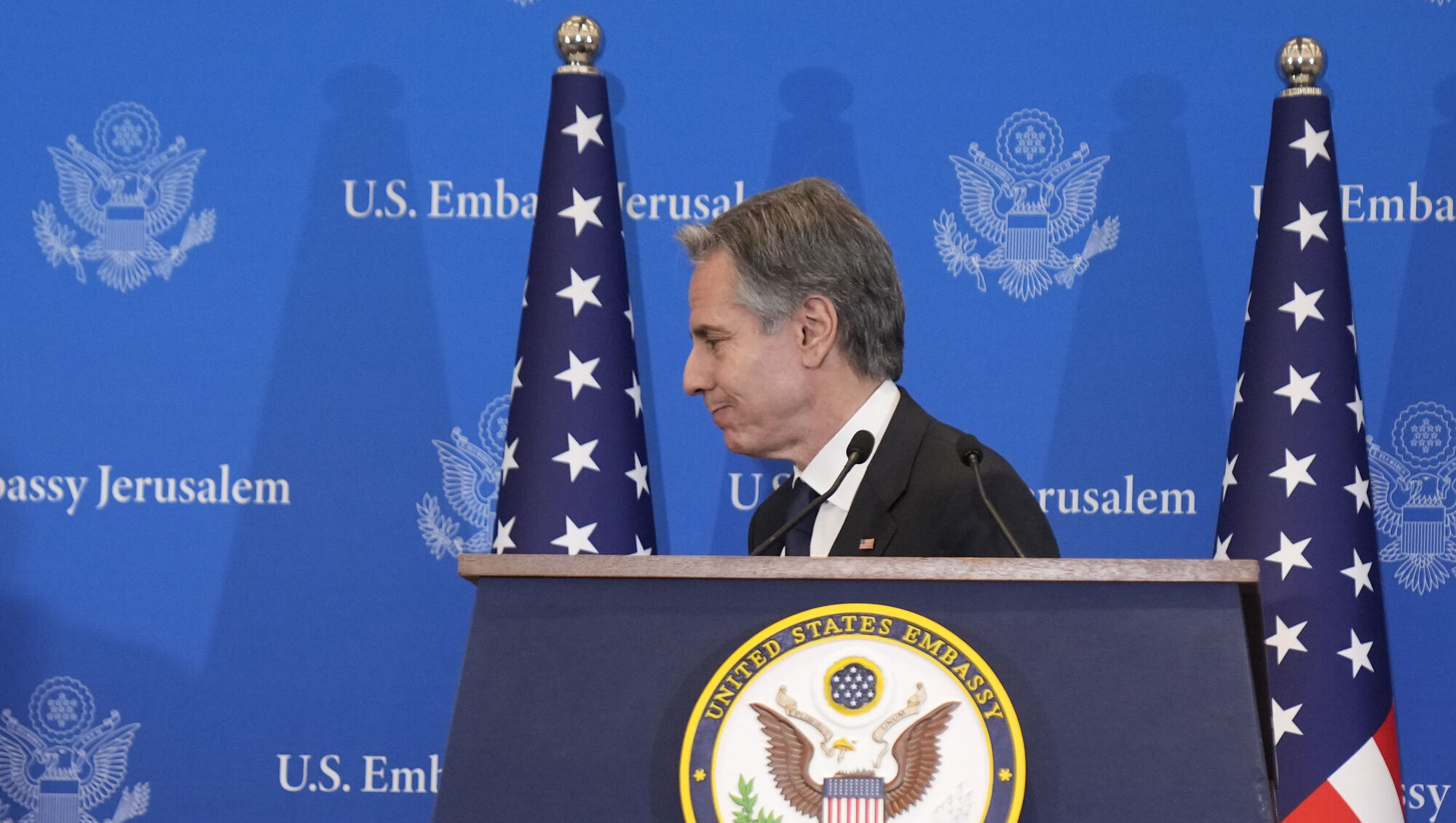
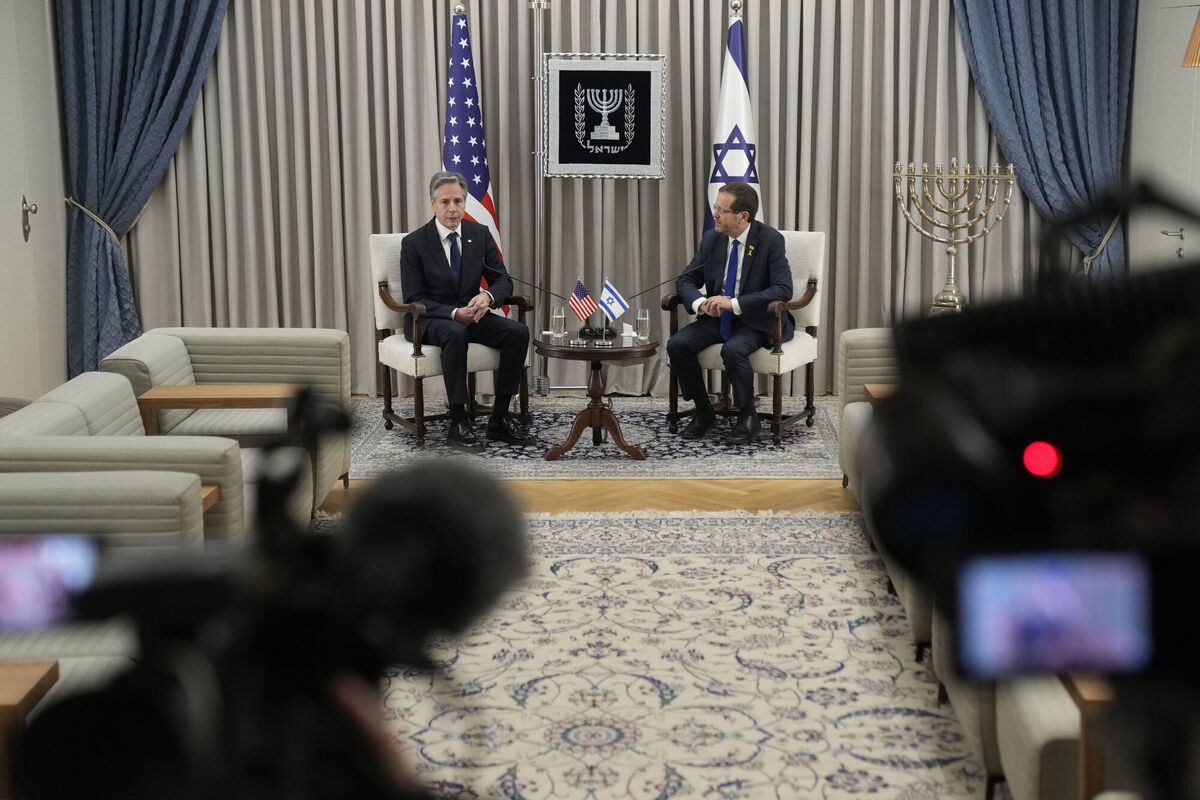
US Secretary of State Antony Blinken leaves a press conference in Tel Aviv, Israel. Picture: AP Photo/Mark Schiefelbein, Pool
Mediators from the US, Qatar and Egypt scrambled to forge a ceasefire between Israel and Hamas in their four-month-old war in the Gaza Strip after America's top diplomat on a Middle East mission said there was still hope for a deal.
US Secretary of State Antony Blinken said he saw room for negotiation, and a Palestinian Hamas delegation led by senior official Khalil Al-Hayya was due to travel on Thursday to Cairo for ceasefire talks with Egypt and Qatar.
Israeli Prime Minister Benjamin Netanyahu on Wednesday rejected Hamas' latest offer, calling it "delusional," and Hamas urged Palestinian armed factions to go on fighting.
"There are clearly nonstarters in what (Hamas has) put forward," Blinken said on Wednesday at a late-night press conference in a Tel Aviv hotel, without specifying what the nonstarters were.
Before heading back to the US, Blinken was due to hold meetings in Israel on Thursday, including with family members of hostages still held in Gaza who have clamoured for Netanyahu to make winning their freedom his top priority.
Hamas, the militant group that rules Gaza, proposed a ceasefire of 4-1/2 months, during which all hostages held in Gaza would go free, Israel would withdraw its troops from Gaza and an agreement would be reached on an end to the war.
The Hamas offer was a response to a proposal drawn up by US and Israeli spy chiefs and delivered to Hamas last week by Qatari and Egyptian mediators.
Israel would be willing to let Hamas military leader Yahya Sinwar go into exile in exchange for the release of all hostages and an end to the Hamas government in Gaza, a half-dozen Israeli officials and senior advisers have told NBC News.
In response to the Hamas plan, Netanyahu renewed a pledge to destroy the Islamist movement, saying there was no alternative for Israel but to bring about its collapse.
"Surrendering to the delusional demands of Hamas ... will not only not bring the release of the hostages, it will invite another massacre. It will invite a grave disaster for the state of Israel that none of our citizens is willing to accept," the Israeli leader told reporters on Wednesday.
Israel began its military offensive after Hamas militants from Gaza killed 1,200 people and took 253 hostages in southern Israel on October 7.
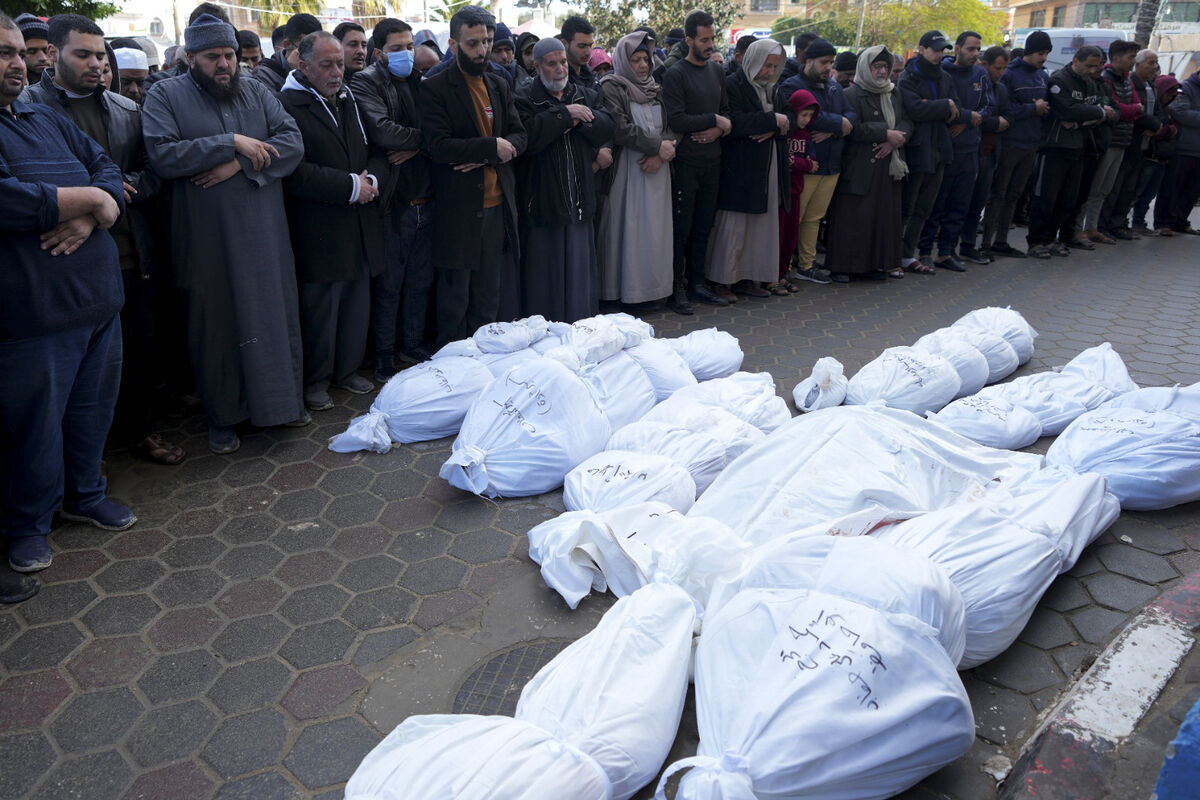
Gaza's health ministry says at least 27,585 Palestinians have been confirmed killed, with thousands more feared buried under rubble in Israel's offensive since then.
In the only truce to date, lasting a week at the end of November, 110 hostages were released and Israel freed 240 Palestinian prisoners.
Netanyahu, whose domestic popularity is at rock bottom, faces public pressure to continue working with international mediators toward an agreement in Gaza.
A poll of Israelis released by a nonpartisan think-tank, the Israel Democracy Institute, this week found 51% of respondents believe recovering the hostages should be the main goal of the war, while 36% said it should be toppling Hamas.
Washington has cast the hostage and truce deal as part of plans for a wider resolution of the Middle East conflict, ultimately leading to reconciliation between Israel and Arab neighbours and creation of a Palestinian state.
Netanyahu rejects a Palestinian state, which Saudi Arabia says is a requirement for the kingdom to normalise relations with Israel.
A text of the proposal seen by said it aimed to end military operations with a sustained de-escalation, exchange hostages and prisoners, end an Israeli blockade of Gaza, allow displaced residents to return home and ramp up aid supplies.
These are the details:
Temporary halt to military operations, end of aerial reconnaissance, repositioning of Israeli forces far outside populated areas in the entire Gaza Strip.
Release of Israeli civilian women and children aged 19 or under held hostage in Gaza, as well as all elderly and sick hostages.
Release of Palestinian women, children, elderly and sick from Israeli jails.
Agreement on release of 1,500 Palestinian prisoners, with Hamas to nominate 500 of them who have been sentenced to long or life sentences.
Increase in humanitarian aid into Gaza, including the north, and return of displaced people to their home districts.
Start rebuilding hospitals, homes and other facilities. UN agencies to provide services and establish shelter camps for population.
Discussions to be completed before start of second phase on conditions to maintain ceasefire.
Release of all Israeli male civilian and military hostages in exchange for other Palestinian prisoners.
Continuation of humanitarian measures in Gaza.
Israeli forces to withdraw outside Gaza Strip.
Comprehensive reconstruction to begin and blockade of Gaza to end.
Exchange of bodies and remains from both sides after their identification.
Continuation of humanitarian measures in Gaza that were agreed upon in earlier phases.
Israel has recently focused on capturing Khan Younis, the main city in Gaza's south. But last week Israel said it would expand its campaign into Rafah, where about half the enclave's 2.3 million people are penned against the border with Egypt.
Many have relocated several times to escape Israeli attacks, and they face dire shortages of food and risk of disease.
On the ground in southern Gaza, residents said Israel stepped up its assault on Rafah in the early hours of Thursday. Israel claims Rafah is now a bastion of Hamas combat units.
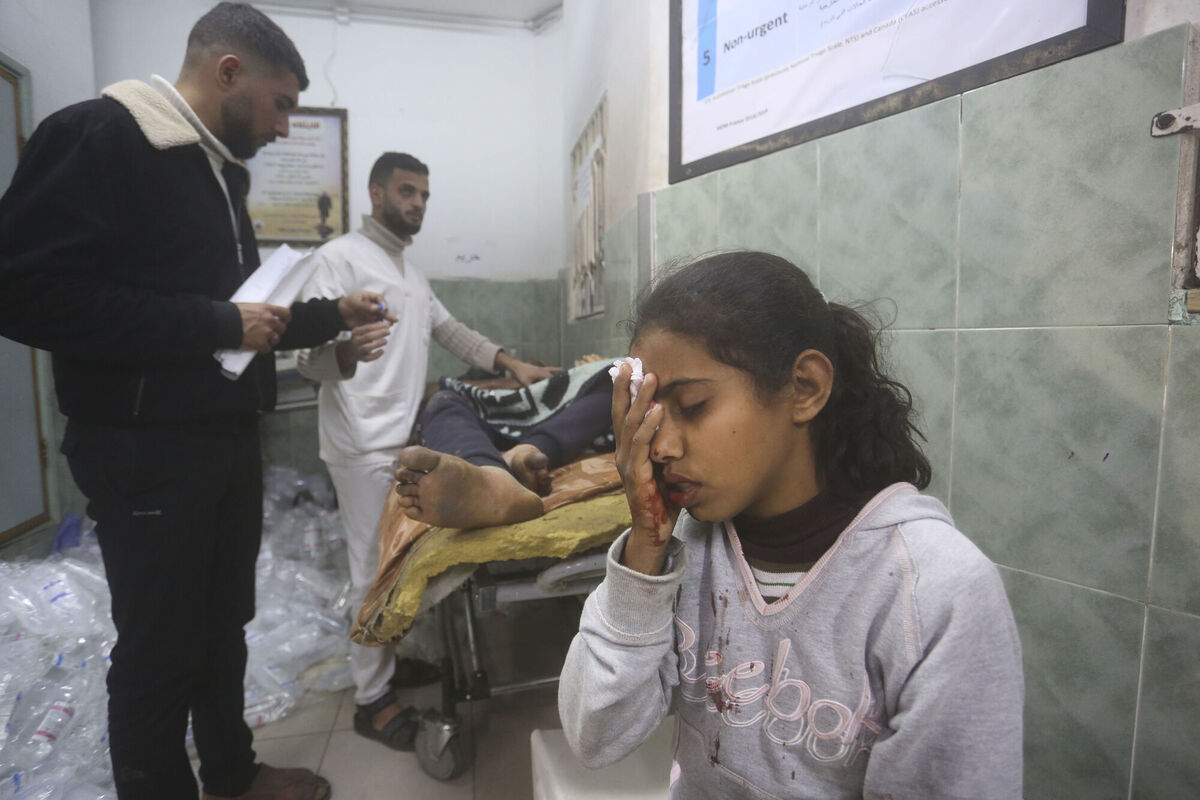
Two Israeli strikes hit two houses in the area of Tel Al-Sultan in the city, residents said. Hamas media said seven people were killed and 11 injured.
Footage on Palestinian media showed frantic efforts to rush the injured to hospital.
Reuters could not independently verify the details.

CONNECT WITH US TODAY



Be the first to know the latest news and updates