Women with high-risk HPV more likely to die of heart disease or stroke – study
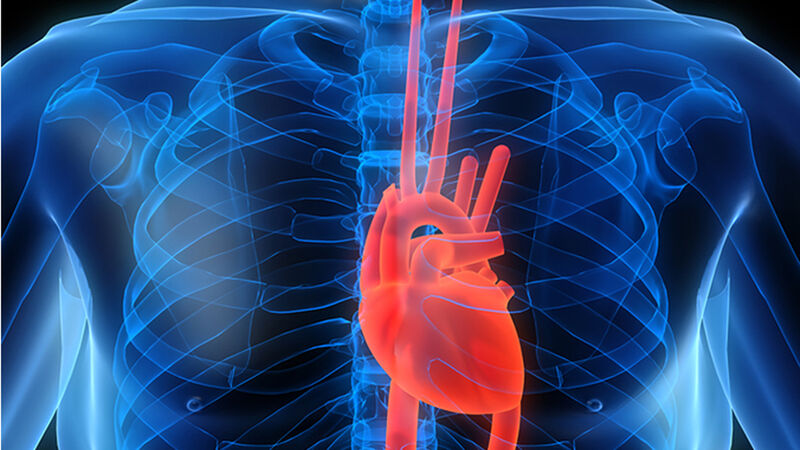
To examine if the virus is a potential risk factor for heart problems, researchers gave 163,250 Korean women with no cardiovascular disease a number of health checks. File picture
Women with high-risk human papillomavirus could be almost four times more likely to die of heart issues, a study suggests.
The virus could be causing inflammation in the blood vessels, contributing to blocked and damaged arteries, researchers said.
Human papillomavirus (HPV) are a group of viruses which can be transmitted through sexual contact and cause no symptoms.
Some 13 types of HPV are known to cause 99.7% of cervical cancers.
To examine if the virus is a potential risk factor for heart problems, researchers gave 163,250 Korean women with no cardiovascular disease a number of health checks.
The mean age of the cohort was 40 and they returned for health screening every year or two for an average of eight and a half years.
The team discovered that women with high-risk HPV were 3.91 times more likely to have blocked arteries and 3.74 times more likely to die of heart disease.
There was also a 5.86 times greater risk of dying from a stroke.
The risk was higher still in obese women with high-risk HPV, researchers found.
The study was led by professors Seungho Ryu, Yoosoo Chang and Hae Suk Cheong, from the Sungkyunkwan University School of Medicine in Seoul, South Korea.
Prof Cheong said: “We know that inflammation plays a pivotal role in the development and progression of cardiovascular disease, and viral infections are potential triggers of inflammation.
"It could be that the virus is creating inflammation in the blood vessels, contributing to blocked and damaged arteries and increasing the risk of cardiovascular disease.”
He added that the study, published in the European Heart Journal, “highlights the importance of comprehensive care for patients with high-risk HPV”.
“Clinicians should monitor cardiovascular health in patients with high-risk HPV, particularly those with obesity or other risk factors,” Prof Cheong said.
“It’s important for people with high-risk HPV to be aware of the potential for both heart disease and cervical cancer risks.
"They should engage in regular health screenings and adopt a healthy lifestyle to mitigate their risk of cardiovascular disease.”
Researchers said in the absence of “specific antiviral drugs targeting HPV” and the “limited pharmaceutical interventions for inflammation” associated with the virus, more “research is warranted to explore potential vaccine strategies” aimed at reducing high-risk HPV, along with the “potential use of anti-inflammatory drugs” for HPV associated with cardiovascular disease.

CONNECT WITH US TODAY



Be the first to know the latest news and updates