Tesla braces for its first trial involving Autopilot fatality
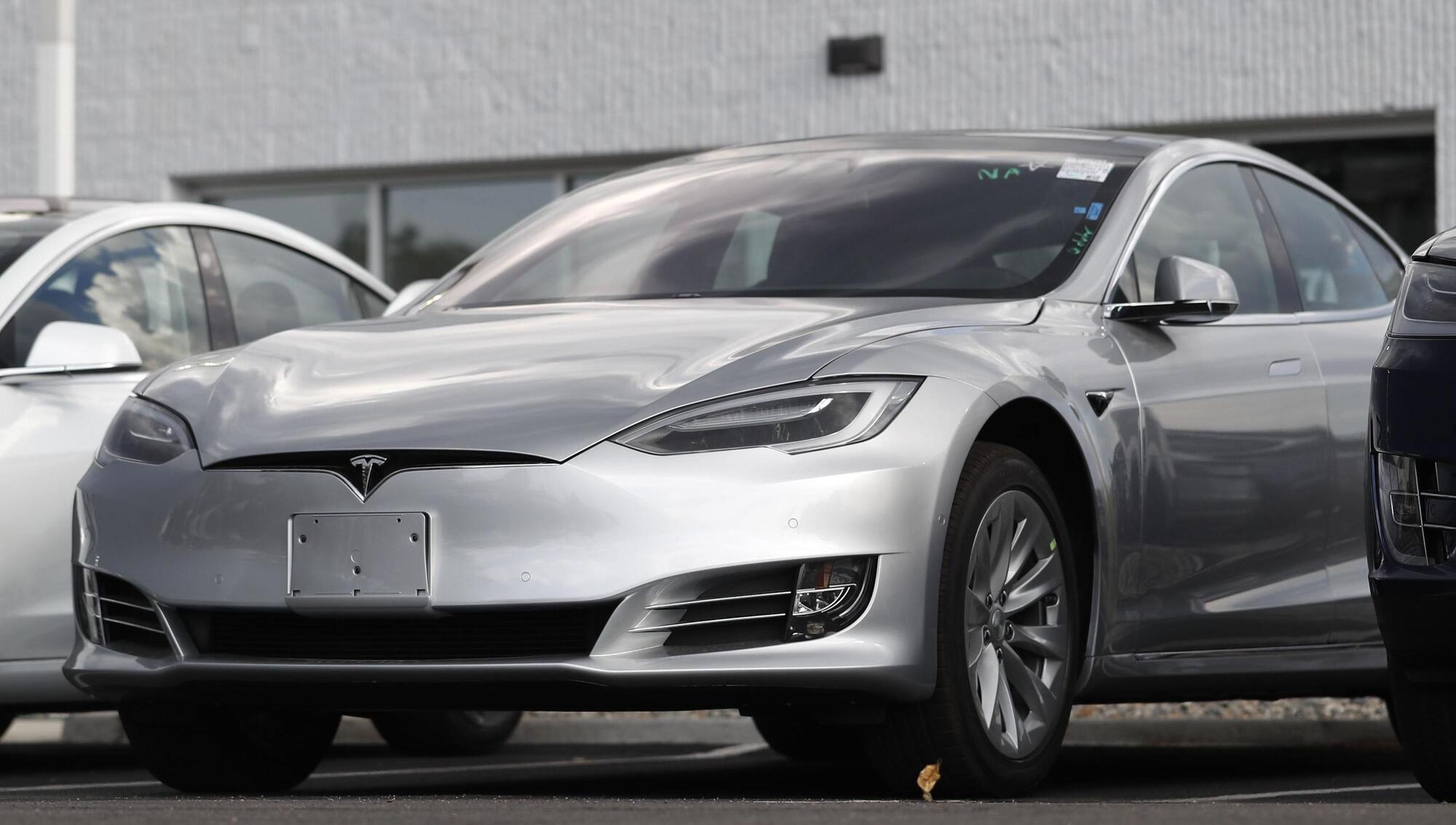
A Tesla 2018 Model 3 sedan on display outside a Tesla showroom in Littleton, Colorado. Tesla faces two trials in quick succession, with more to follow.
Tesla is set to defend itself for the first time at trial against allegations that failure of its Autopilot driver assistant feature led to death, in what will likely be a major test of Chief Executive Elon Musk's assertions about the technology.
Self-driving capability is central to Tesla’s financial future, according to Musk, whose own reputation as an engineering leader is being challenged with allegations by plaintiffs in one of two lawsuits that he personally leads the group behind technology that failed. Wins by Tesla could raise confidence and sales for the software.
Tesla faces two trials in quick succession, with more to follow.
The first, scheduled for mid-September in California, is a civil lawsuit containing allegations that the Autopilot system caused owner Micah Lee’s Model 3 to suddenly veer off a highway east of Los Angeles at 65 miles per hour, strike a palm tree and burst into flames, all in the span of seconds.
The 2019 crash, which has not been previously reported, killed Lee and seriously injured his two passengers, including a then-8-year old boy who was disemboweled. The lawsuit, filed against Tesla by the passengers and Lee's estate, accuses Tesla of knowing that Autopilot and other safety systems were defective when it sold the car.
The second trial, set for early October in Florida, arose out of a 2019 crash north of Miami where owner Stephen Banner’s Model 3 drove under the trailer of an 18-wheeler big rig truck that had pulled into the road, shearing off the Tesla's roof and killing Banner. Autopilot failed to brake, steer or do anything to avoid the collision, according to the lawsuit filed by Banner's wife.
Tesla denied liability for both accidents, blamed driver error, and said Autopilot is safe when monitored by humans. Tesla said in court documents that drivers must pay attention to the road and keep their hands on the steering wheel.
"There are no self-driving cars on the road today," the company said.
The civil proceedings will likely reveal new evidence about what Musk and other company officials knew about Autopilot’s capabilities — and any possible deficiencies. Banner’s attorneys, for instance, argue in a pretrial court filing that internal emails show Musk is the Autopilot team's "de facto leader".
Tesla and Musk did not respond to emailed questions, but Musk has made no secret of his involvement in self-driving software engineering, often tweeting about his test-driving of a Tesla equipped with "Full Self-Driving" software. He has for years promised that Tesla would achieve self-driving capability only to miss his own targets.
Tesla won a bellwether trial in Los Angeles in April with a strategy of saying that it tells drivers that its technology requires human monitoring, despite the "Autopilot" and "Full Self-Driving" names. The case was about an accident where a Model S swerved into the curb and injured its driver, and jurors told Reuters after the verdict that they believed Tesla warned drivers about its system and driver distraction was to blame.
The stakes for Tesla are much higher in the September and October trials, the first of a series related to Autopilot this year and next, because people died.

CONNECT WITH US TODAY



Be the first to know the latest news and updates