18 bodies found in area of Greece struck by major wildfire
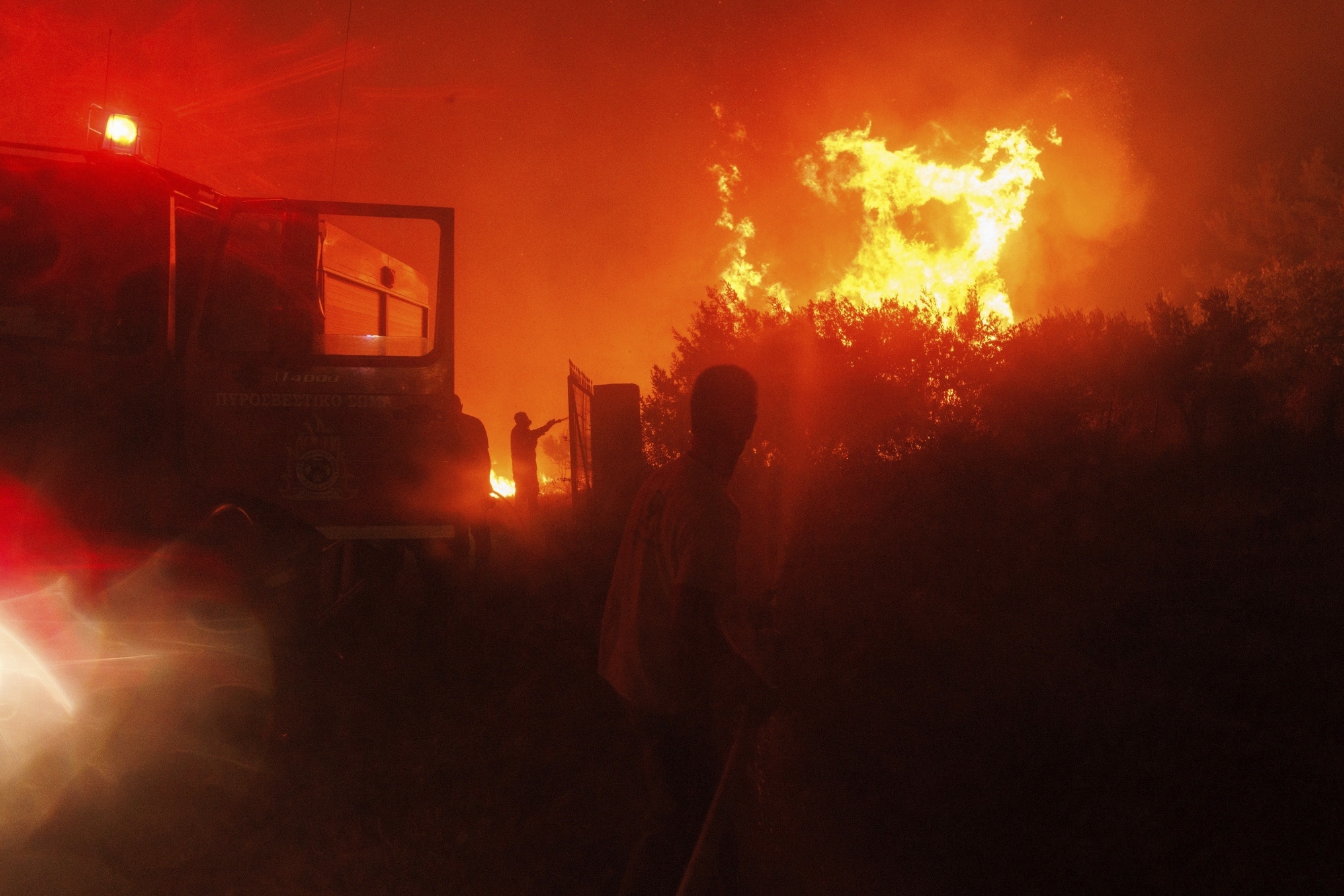
Greek firefighters have found the bodies of 18 people in an area of north-eastern Greece ravaged by a major wildfire that has been burning for days Picture: Achilleas Chiras/AP
At least 18 bodies have been found in an area of Greece beset by wildfires, as European authorities warn the summer of extreme weather is not over yet.
Evros in the Greek province of East Macedonia and Thrace near the border with Turkey have been besieged by fire in the past four days, along with the Sterea Ellada region in the mid-south and Evia island in the south-east.
The European Commission said it had deployed an extra five firefighting airplanes and a helicopter from Croatia, Germany and Sweden, along with 58 firefighters and nine water tanks from Czechia to assist beleaguered Greek authorities.
The bolstered numbers are in addition to the seven airplanes, one helicopter, 114 firefighters and 19 vehicles provided over the past two days.
EU commissioner for crisis management Janez Lenarčič said Greece was witnessing an unprecedented scale of wildfire devastation this summer, and in such trying times the EU's swift assistance was vital.
The tragic consequences of the wildfires were laid bare with the discovery of 18 bodies in Evros on Tuesday morning, while patients from the Alexandroupolis University Hospital had to be evacuated as flames came to the grounds.
Those evacuated included newborn babies and patients in intensive care.
Evros has become a passage for people crossing into the EU in recent years from Asia and authorities believe the 18 bodies are those of migrants.
The tragedy comes as countries across Europe continue to contend with soaring temperatures despite being in the last throes of the summer season.
The EU's Copernicus planet observation service said France was grappling with the consequences of the severe heatwave which is ongoing in central and western Europe.
Some 49 air temperature records were broken on August 20, while in the Rhone Valley, temperatures have significantly surpassed 40C in several cities, Copernicus said.
"According to Météo France (MF), the heatwave could potentially mark one of the most intense heatwaves to hit France at the end of the summer season. For August 21, MF issued an orange alert for 50 départments," it added.
Earlier this week, forecasters predicted temperatures of up to 42C in Italy and 37C in Switzerland until the end of the following week.
The heatwave results from a high-pressure system from Africa, bringing clear skies to a significant part of central and southern Europe, Copernicus said.
"On August 19, the skies over the Alps were cloudless, contributing to even higher temperatures. On the same day, the air temperature at the 'Capanna Margherita' [the highest refuge in the Alps, located at 4,556m above sea level] reached +6.5C," it said.
Meanwhile in California, one of the most arid places on the planet, received more rainfall in one day than could be expected in a whole year.
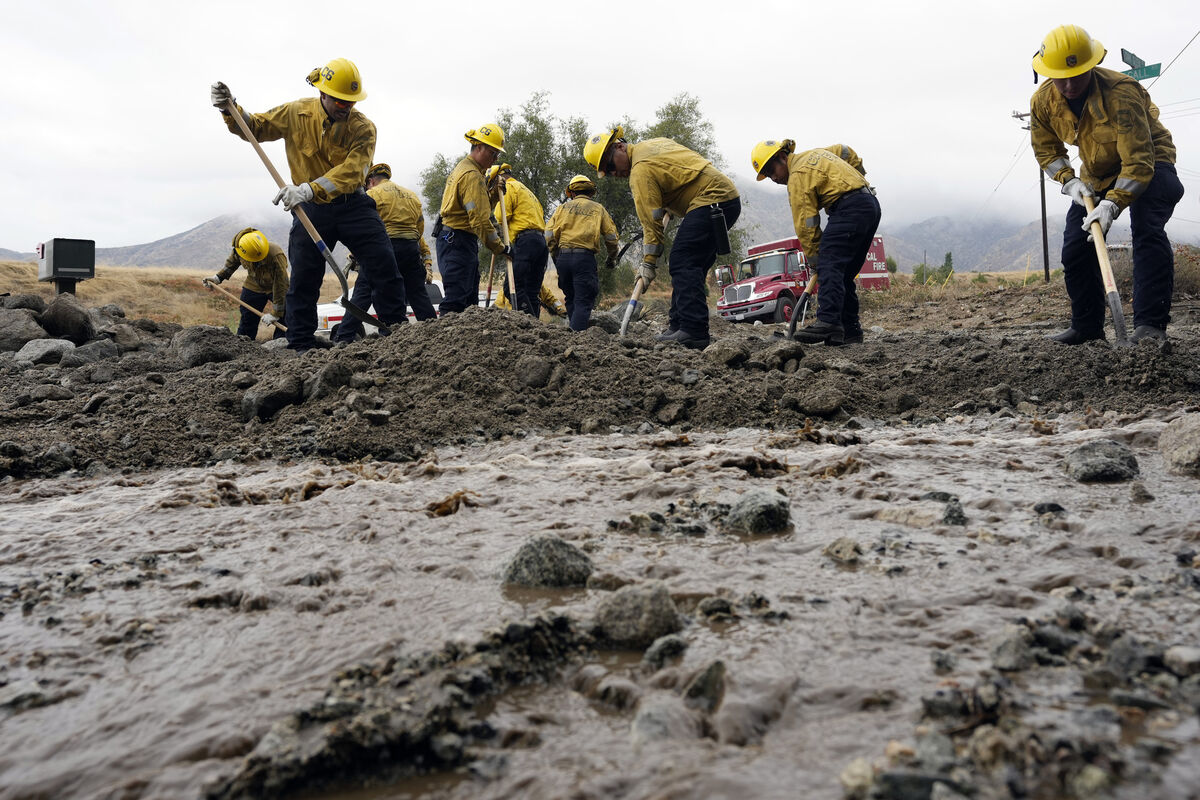
More than 400 people were left stranded in Death Valley as flooding churned up roads in and out of the national park.
"The unprecedented rain came in two bursts, with about an inch of rain Sunday morning and another inch of rain Sunday night. Preliminary data from the official National Weather Service rain gauge at Furnace Creek recorded 2.20 inches of rain — the park’s average annual rainfall. Once verified, this would be the single rainiest day in Furnace Creek history, beating the record of 1.7in set August 5, 2022," Death Valley National Park authorities said.
The World Meteorological Organization (WMO) climate expert Alvaro Silva, said on Tuesday wildly extreme weather patterns were the "new normal and do not come as a surprise".
He said: “The frequency and intensity of many extremes, such as heatwaves and heavy precipitation, have increased in recent decades. There is high confidence that human-induced climate change from greenhouse emissions is the main driver. This gives us the long-term context for the increasing occurrence and severity of such extreme weather and extreme events."
CLIMATE & SUSTAINABILITY HUB
CONNECT WITH US TODAY



Be the first to know the latest news and updates