34 people killed in Algeria as wildfires bring death and destruction to Mediterranean
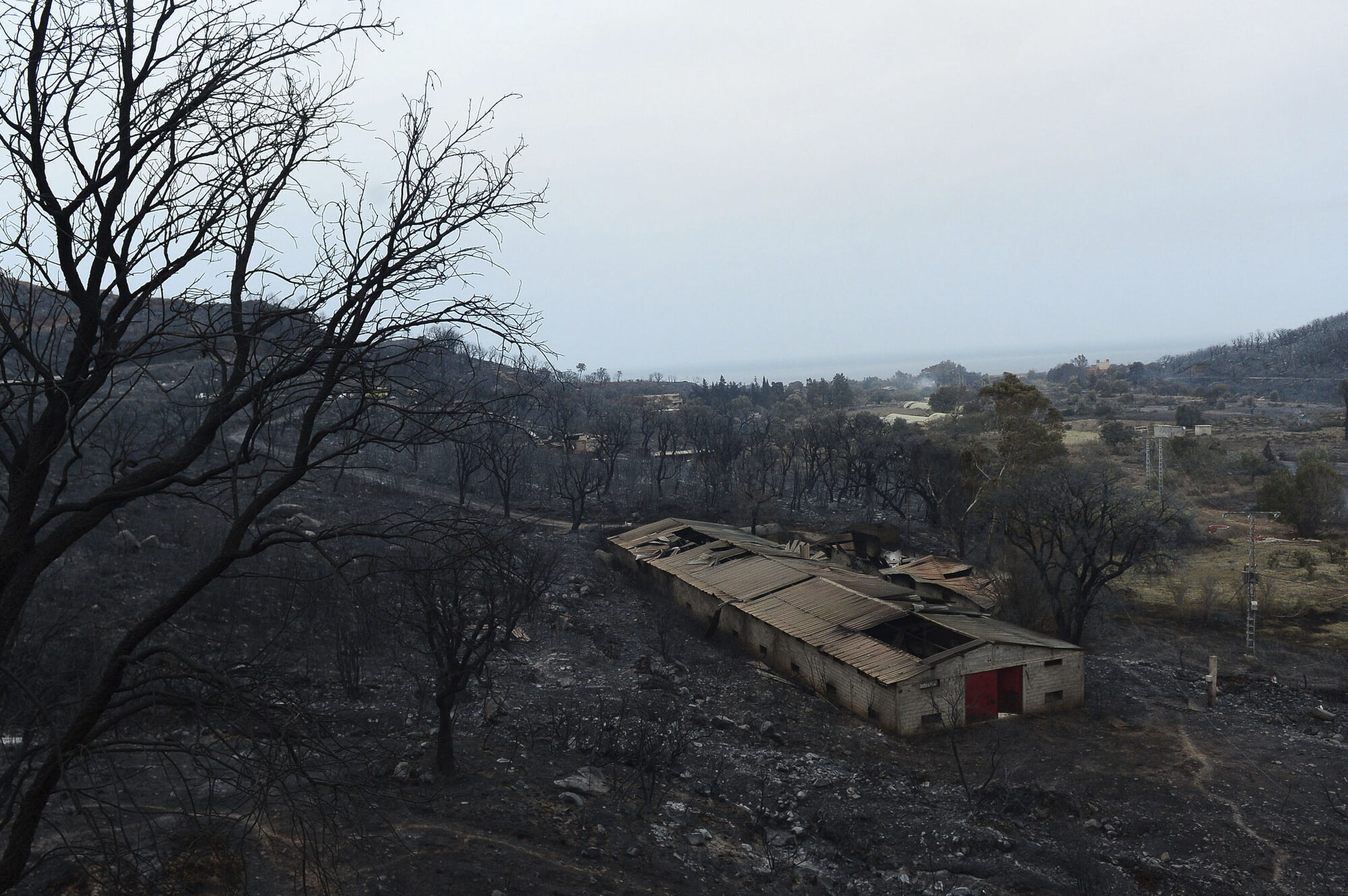
A view of a burnt house and forest, in Bouira, 100 km from Algiers, Algeria. Picture: AP Photo
Wildfires killed 34 people in Algeria and forced the evacuation of thousands of tourists from the Greek island of Rhodes as an intense summer heatwave scorched large areas of the Mediterranean.
Another blaze caused the temporary closure of Palermo airport on the southern Italian island of Sicily on Tuesday, while an overnight storm tore off roofs and brought down trees in the north of the country, killing two people.
Extreme weather throughout July has caused havoc across the planet, with temperatures breaking records in China, the United States and southern Europe, sparking forest fires, water shortages and a rise in heat-related hospital admissions.
Without human-induced climate change, the events this month would have been "extremely rare", according to a study by World Weather Attribution, a global team of scientists that examines the role played by climate change in extreme weather.
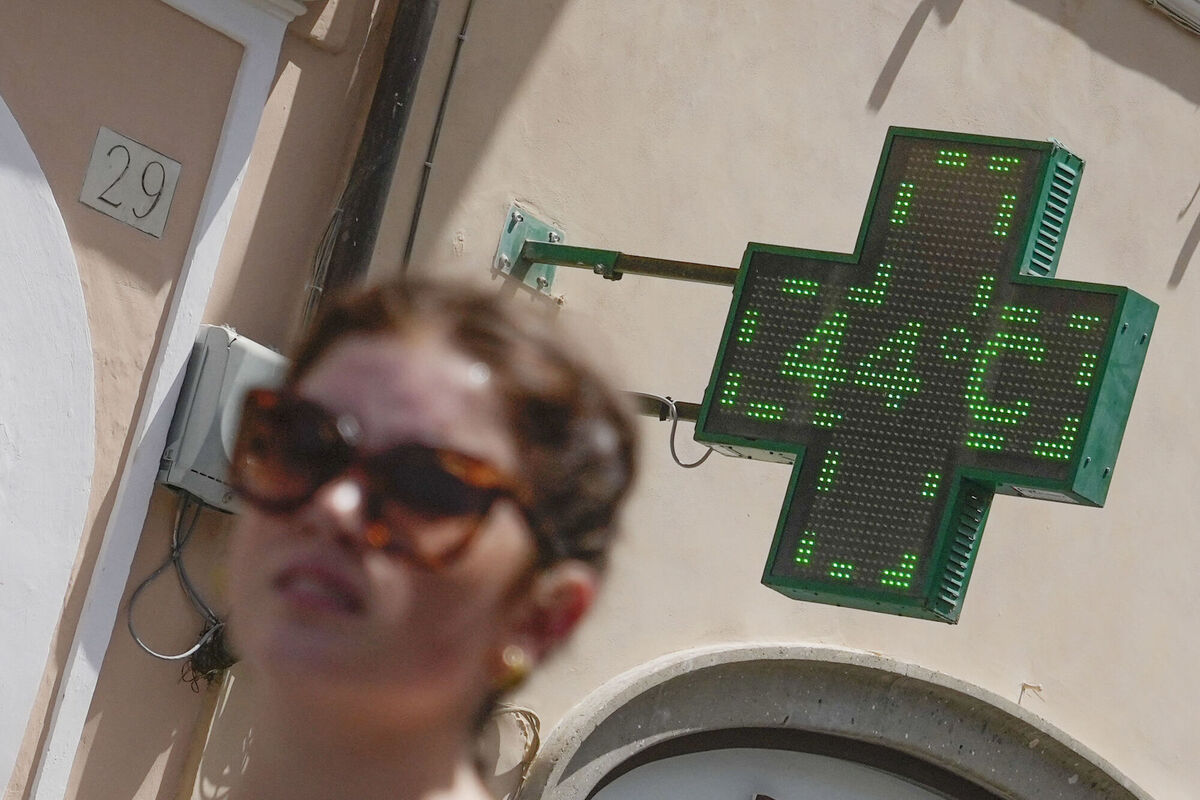
The heat, with temperatures topping 40C, is well in excess of what usually attracts tourists who flock to southern European beaches.
In some parts of eastern Sicily, temperatures rose to 47C on Monday, close to a record European high of 48.8 Celsius recorded on the island two years ago.
It was even hotter in North Africa, with temperatures of 49C recorded in some cities in Tunisia.
Neighbouring Algeria deployed some 8,000 firefighters to bring its deadly fires under control, authorities said.
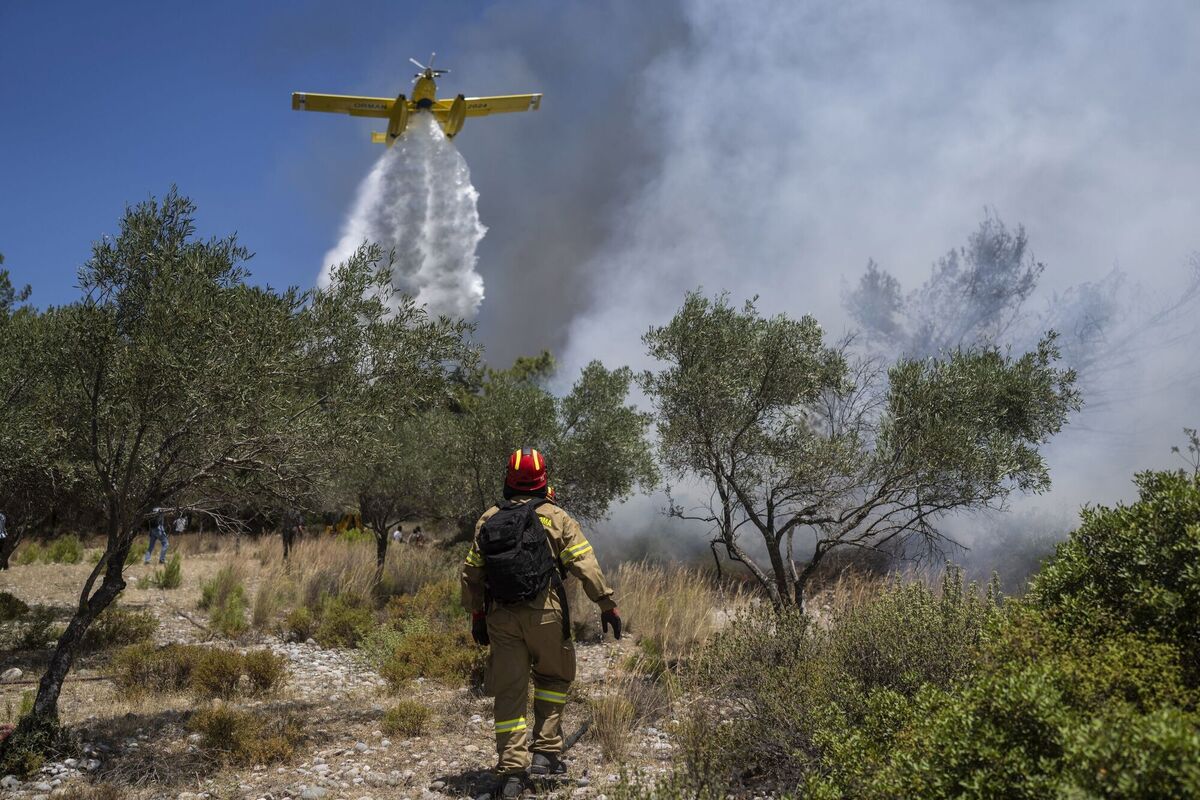
The fires burning on the island of Rhodes for the past week have forced the Greek authorities to carry out the largest evacuation ever undertaken in the country, with more than 20,000 people forced to leave homes and hotels.
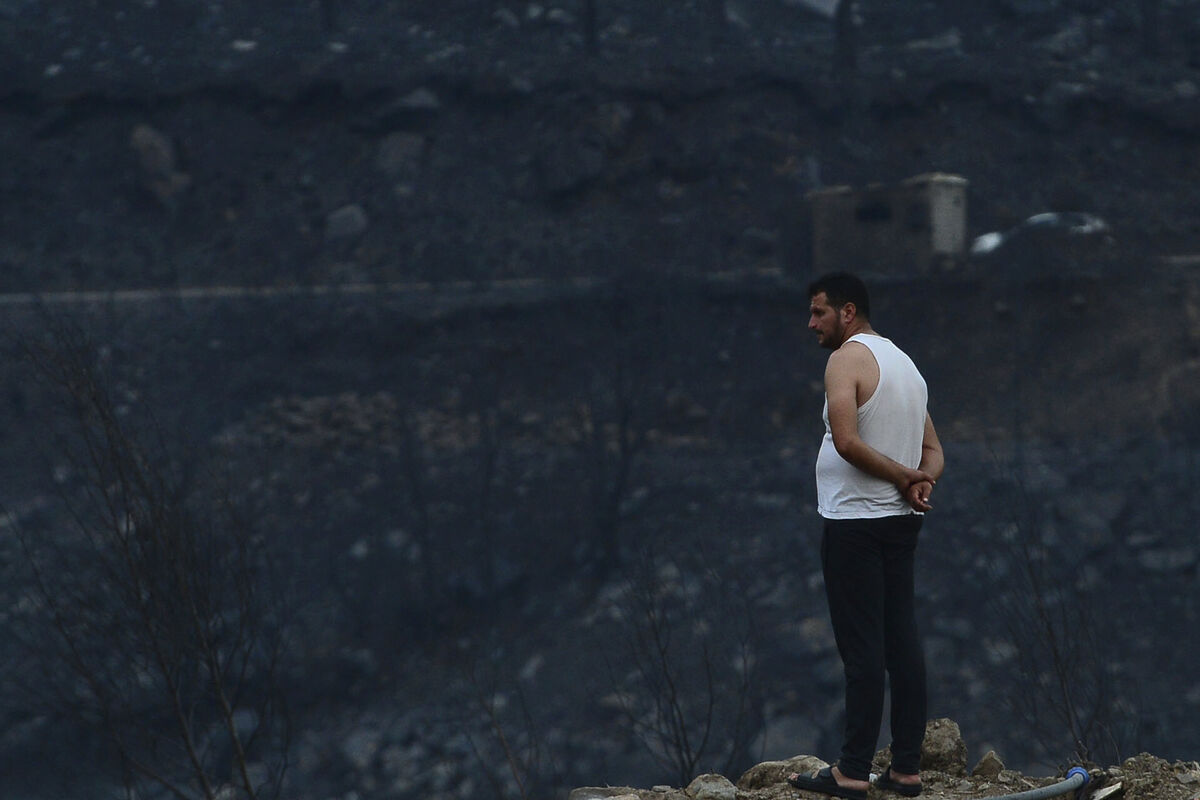
Burnt trees are pictured in the aftermath of a wildfire in Bejaia "I will state the obvious: in the face of what the entire planet is facing, especially the Mediterranean which is a climate change hot-spot, there is no magical defence mechanism, if there was we would have implemented it," Greek Prime Minister Kyriakos Mitsotakis said on Tuesday.
The fires will deal a blow to a tourism industry that is a mainstay of the Greek economy. It accounts for 18% of Greece's GDP and one in five jobs, with reliance on tourism even greater on islands such as Rhodes.
"It's very, very bad, the situation. We need help. Send us help from everywhere," said Lanai Karpataki, a local resident in Kiotari on the south of Rhodes.
Malta, another major Mediterranean holiday destination, suffered a raft of power cuts across the country, affecting its largest hospital, after a week-long heatwave.
Scientists have described extreme heat as a "silent killer" taking a heavy toll on the poor, the elderly and those with existing medical conditions.
Research published this month said as many as 61,000 people may have died in Europe's sweltering heatwaves last summer, suggesting countries' heat preparedness efforts are falling fatally short.
The heat has caused large-scale crop damage and livestock losses, the World Weather Attribution scientists said, with US corn and soybean crops, Mexican cattle, southern European olives as well as Chinese cotton all severely affected.
Responding to the damage caused by the storm in Milan, the mayor of Italy's financial capital said the cause was clear.
"I have been through 65 summers in my lifetime... and what I am seeing now is not normal, we can no longer deny it, climate change is changing our lives," Mayor Giuseppe Sala said on social media.


CLIMATE & SUSTAINABILITY HUB
CONNECT WITH US TODAY



Be the first to know the latest news and updates