Vermont protects access to medical abortions
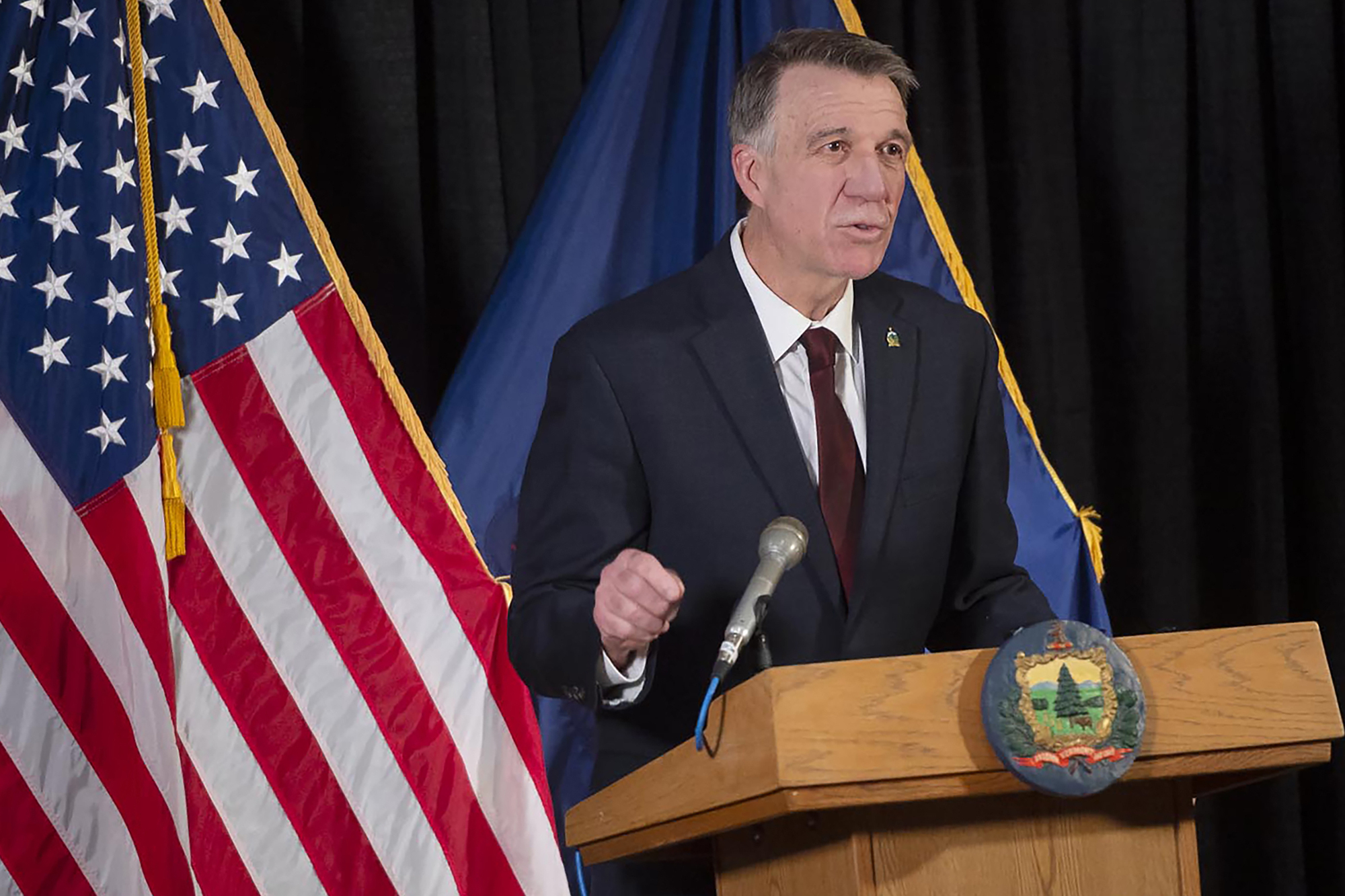
Vermontās Republican governor signed abortion and gender-affirming shield Bills into law on Wednesday that include protecting access to a medication widely used in abortions.
Even if the US Food and Drug Administration withdraws its approval of the pill mifepristone it will remain protected in the state.
Vermont is the first state to protect access to medication abortion in a shield law, according to the Guttmacher Institute, which describes itself as a research and policy organisation committed to advancing sexual and reproductive health and rights.
The Bills protect providers from discipline for providing legally protected reproductive and gender-affirming healthcare services.
āToday, we reaffirm once again that Vermont stands on the side of privacy, personal autonomy and reproductive liberty, and that providers are free to practise without fear,ā Republican Governor Phil Scott said in a statement.
In the identical Bills passed by the House and Senate, āreproductive health care servicesā includes āmedication that was approved by the US Food and Drug Administration for termination of a pregnancy as of January 1, 2023, regardless of the medicationās current FDA approval statusā.
Last month, the US Supreme Court preserved womenās access to the drug, rejecting lower-court restrictions while a lawsuit continues.
The justices granted emergency requests from the Biden administration and New York-based Danco Laboratories, maker of mifepristone, which are appealing against a Texas lower court ruling that would roll back FDA approval of mifepristone.
The next step in the case is arguments before the New Orleans-based US Court of Appeals for the 5th Circuit on May 17.
āUnfortunately, we canāt say how these legal protections will actually play out based on what happens in the Fifth Circuit Court, and likely appeals to that decision no matter what happens,ā said Isabel Guarnieri, of the Guttmacher Institute. āAll we know is that thereās going to be a ton of chaos and confusion.ā
Greer Donley, an associate professor at the University of Pittsburgh School of Law who is an expert in abortion law, said states cannot allow medications the federal government prohibits. But that does not mean the federal government would enforce its ban if states go their own way.