Launch debut of 3D-printed rocket ends in failure
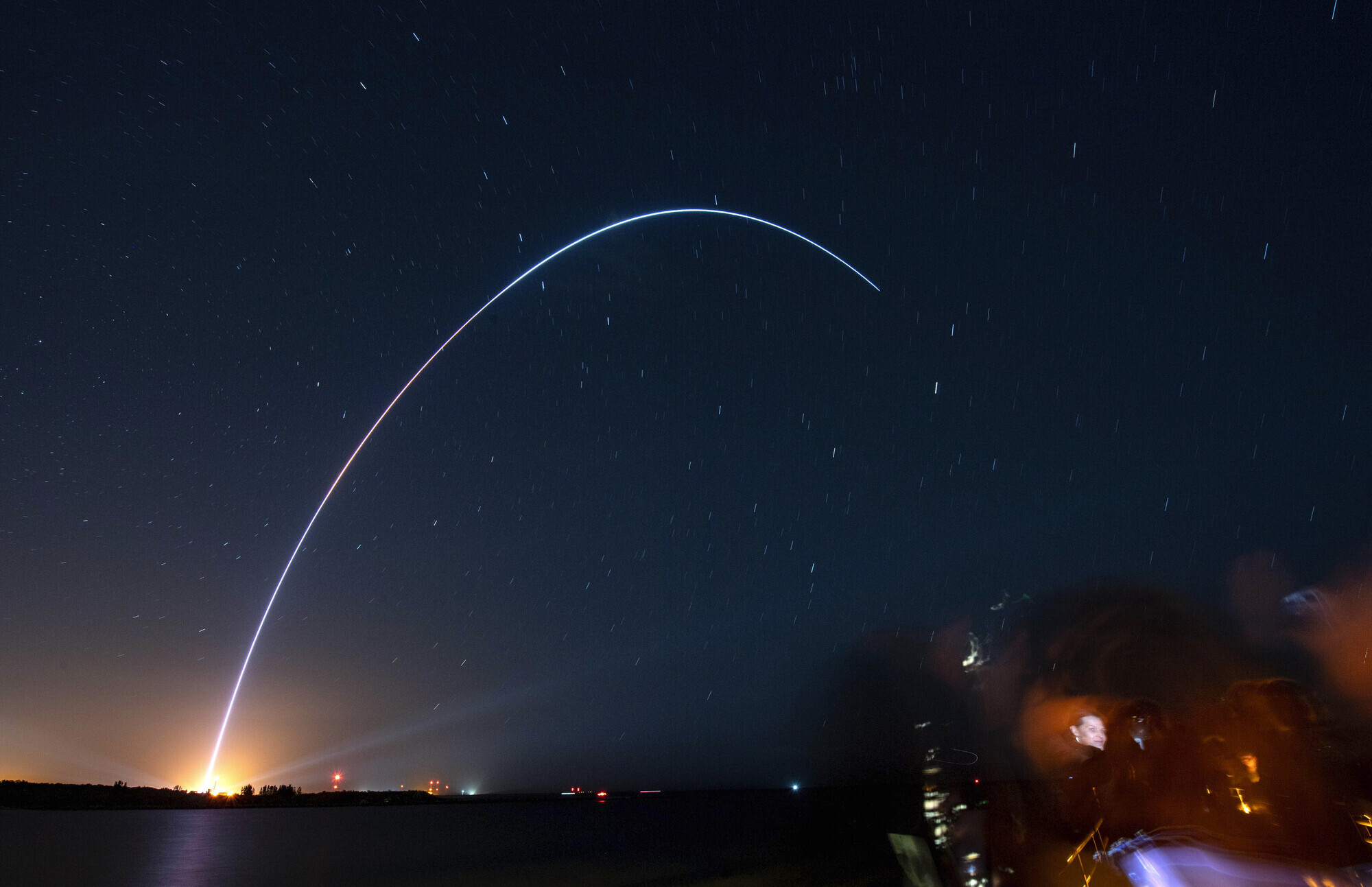
A rocket made almost entirely of 3D-printed parts made its launch debut â lifting off amid fanfare but failing three minutes into flight far short of orbit.
There was nothing aboard Relativity Spaceâs test flight except for the companyâs first metal 3D print made six years ago.
The start-up wanted to put the souvenir into a 125-mile-high orbit for several days before having it plunge through the atmosphere and burn up along with the upper stage of the rocket.
As it turned out, the first stage did its job following lift-off from Cape Canaveral Space Force Station and separated as planned.
But the upper stage appeared to ignite and then shut down, sending it crashing into the Atlantic.
It was the third launch attempt from what once was a missile site.
Relativity Space came within a half-second of blasting off earlier this month, with the rocketâs engines igniting before abruptly shutting down.
Although the upper stage malfunctioned and the mission did not reach orbit, âmaiden launches are always exciting and todayâs flight was no exceptionâ, Relativity Space launch commentator Arwa Tizani Kelly said after Wednesdayâs effort.
Most of the 110ft rocket, including its engines, came out of the companyâs huge 3D printers in Long Beach, California.
Relativity Space said 3D-printed metal parts made up 85% of the rocket, named Terran.
Larger versions of the rocket will have even more and also be reusable for multiple flights.
Other space companies also rely on 3D-printing but the pieces make up only a small part of their rockets.
Founded in 2015 by a pair of young aerospace engineers, Relativity Space has attracted the attention of investors and venture capitalists.