Attenborough series captures footage of slugs hanging off branches to mate
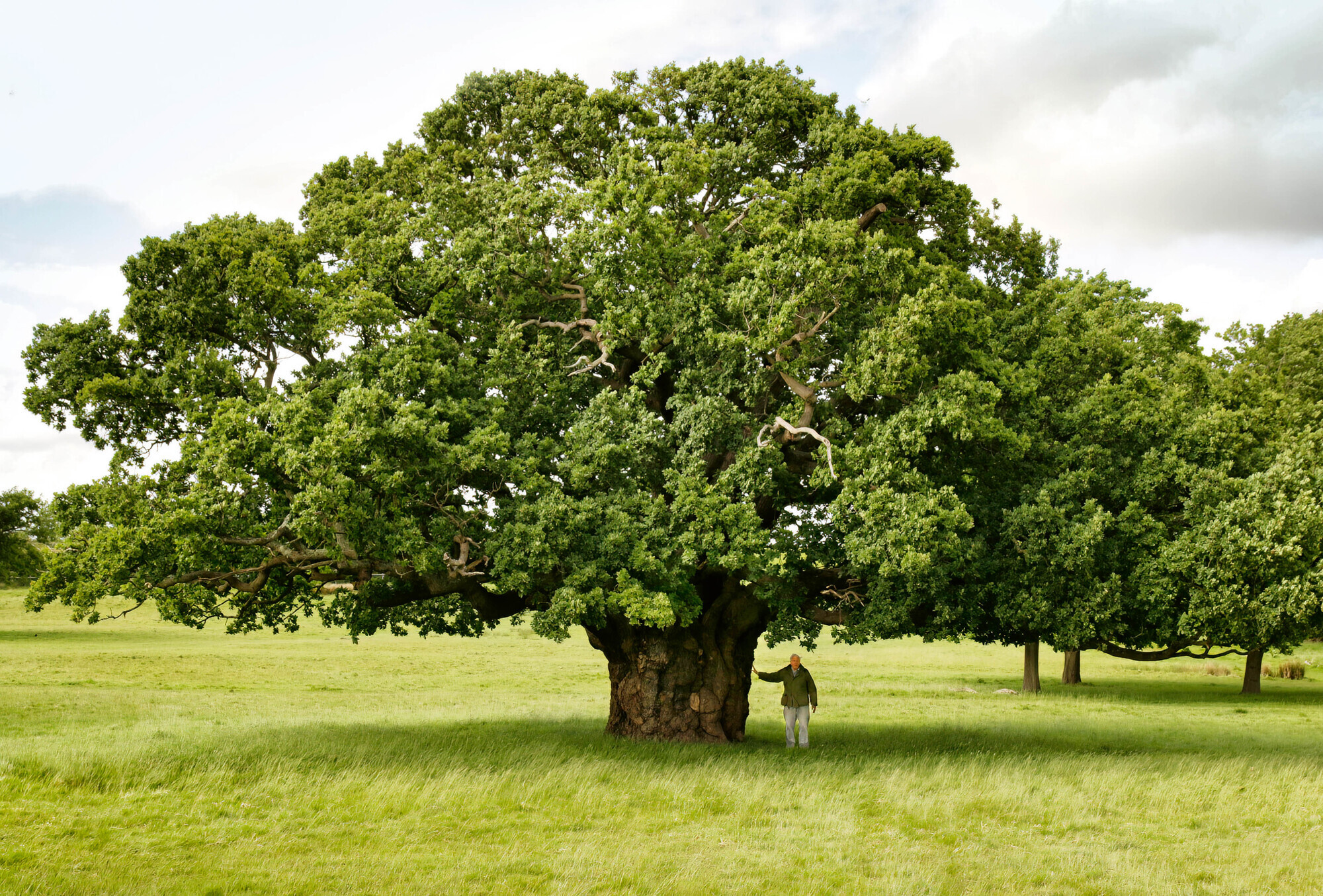
Sir David Attenborough under his favourite tree in the British Isles, an ancient oak in Richmond Park. England has more ancient oaks that the rest of Europe combined. Picture: BBC/Silverback Films/Chris Howard
The second episode of David Attenborough’s new BBC series, , has captured footage of slugs mating while hanging off branches.
As the famed naturalist and TV presenter, 96, voices over what he calls the “dream-like” scene filmed in Dartmoor National Park, he reveals the ash-black slugs can grow up to 30cm and are the largest land mollusc of this type in the world.
In Sunday’s woodland episode, Attenborough says the hermaphrodite slug can be seen on screen laying down a trail of slime containing scent signals which are “irresistible” to a partner who soon appears.
“Twisting together, they hang down as one, two penises start to protrude, entwining together each becomes as long as the rest of its owner’s body,” he tells viewers.
“Each slug now passes a packet of sperm to the other but the end of the relationship is abrupt.
“The leftover slime is the only evidence that the encounter ever happened.”
Other significant moments from the episode include the relationships between robins and wild boar, new-born deer and the way fungi communicate.
In the Forest of Dean, the introduction of boar had led to the robin following the wild ancestor of the domesticated pig around the forest to pick off worms exposed by their rootling behaviour.
The BBC said the production team was on standby for three consecutive winters to try and film this behaviour due to the difficulty of tracking down the boar.
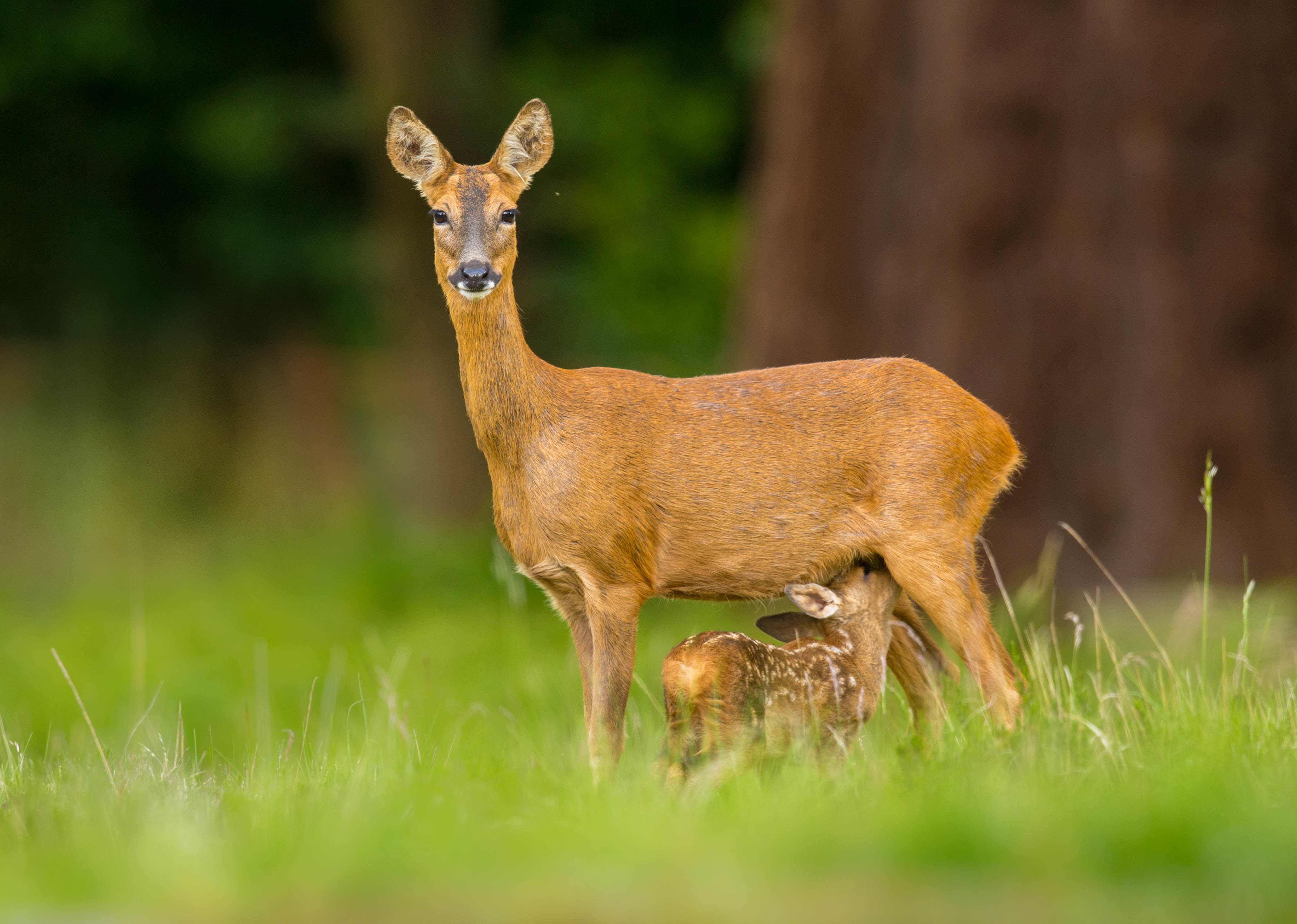
Another long-filming stretch also saw camerawoman Katie Mayhew spend several weeks going back and forth to an ancient cemetery in Surrey to see if a pregnant deer had given birth.
At one point, she hid out in the back of her van to film the baby animals.
Ms Mayhew said: “We were getting nervous that we wouldn’t be able to catch the new born fawns on camera.
“Even worse, we started to worry that the doe was having complications.
“One day, after returning from a lunch break and a battery charge, we were over the moon to find the doe that we had been with for the last month had successfully given birth to two gorgeous, wobbly fawns.
She added this was an “emotional moment” she will “never forget”.
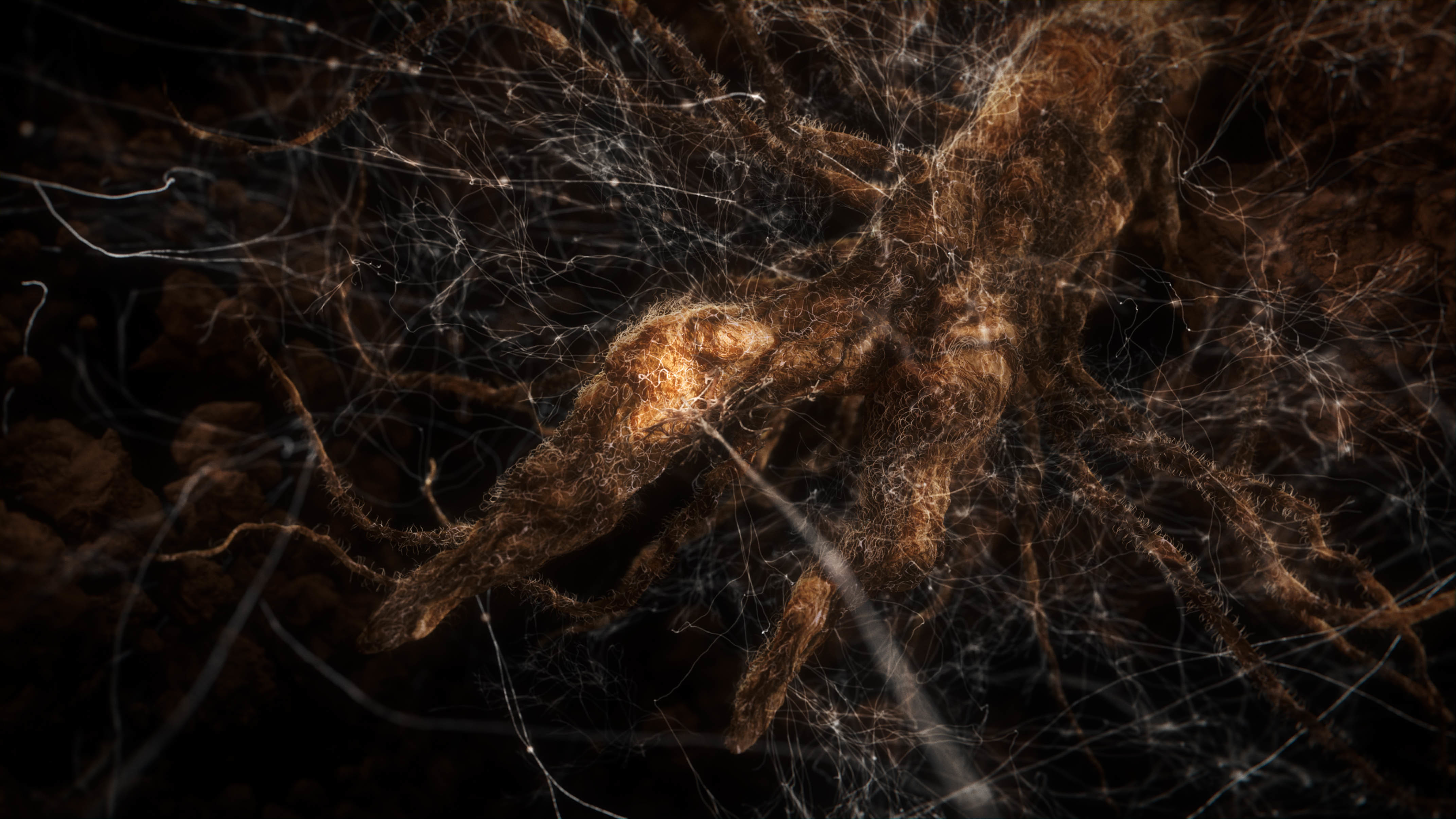
Another moment also captures how fungi talk to each other through a subterranean network known as the Wood Wide Web, which passes vital nutrients and information between trees.
One million birds were also shown roosting in Bodmin Moor, one of Cornwall’s designated Areas of Outstanding Natural Beauty.
The crew used remote, low-light cameras attached to trees to film the birds at night — but as the starlings kept moving around, the footage took 24 nights to capture the animals in their roosts and double that time period for thermal imaging.
During the introduction to the programme, Attenborough said when he was born — in 1926 — Britain has lost almost half of its woodlands and is now one of the least forested countries in Europe.
“Woodland covers only 13% of the British Isles and human influence can be seen in every single bit of it,” he added. “But despite this, there is a remarkable variety in the woodland that remains.”
Episode one of the five-part series attracted 5.7m viewers on TV, according to the BBC’s overnight figures, and received between four and five star reviews from critics.
The series has been funded by nature charities WWF and the RSPB with support from the Open University, and has been produced by Silverback Films — the team behind many of the BBC’s landmark nature shows.
The second episode of called 'Woodland' will air on BBC One and iPlayer on Sunday at 7pm.
CONNECT WITH US TODAY



Be the first to know the latest news and updates