Russian law on 'fake news' prompts media to halt reporting as websites blocked
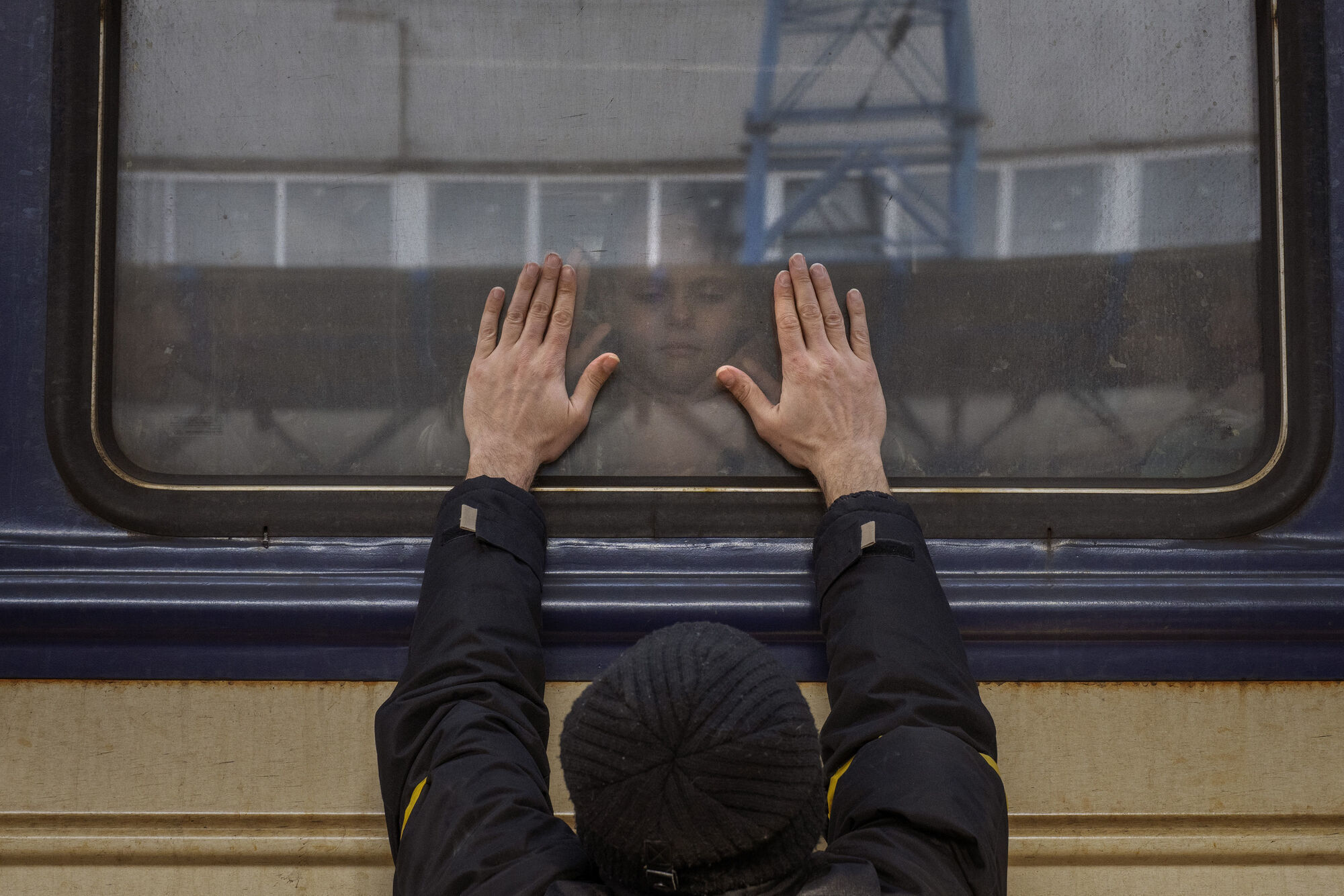
Aleksander, 41, presses his palms against the window as he says goodbye to his daughter Anna, 5, on a train to Lviv at the Kyiv station, Ukraine, Friday, March 4. 2022. Aleksander has to stay behind to fight in the war while his family leaves the country to seek refuge in a neighbouring country. (AP Photo/Emilio Morenatti)
Russia blocked Facebook and some other websites and passed a law that gave Moscow much stronger powers to crack down on independent journalism, prompting the BBC, Bloomberg and other foreign media to suspend reporting in the country.
War raged in Ukraine for a 10th day on Saturday as Russian troops besieged and bombarded cities in the biggest attack on a European state since World War Two.
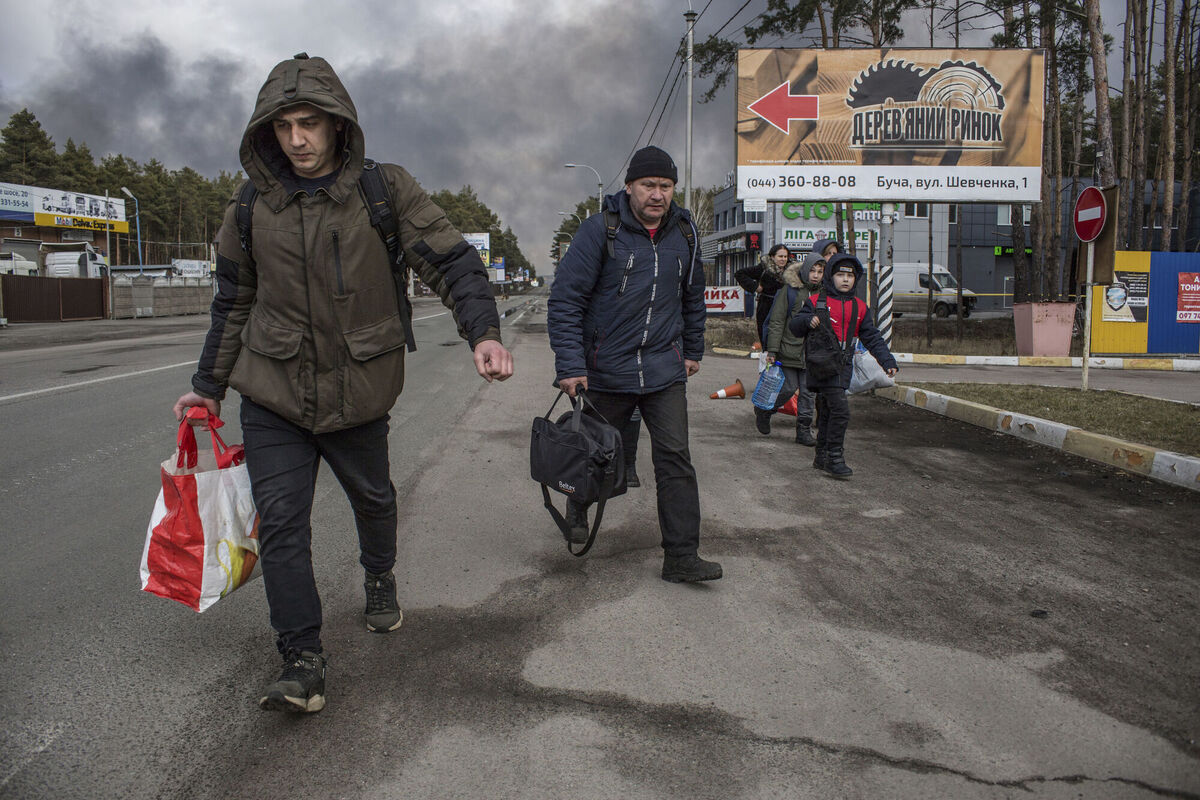
The fighting has created over 1 million refugees, a barrage of sanctions that are increasingly isolating Moscow and fears in the West of a wider global conflict that has been unthought-of for decades.
Moscow says its invasion is a "special operation" to capture individuals it regards as dangerous nationalists, and has denied targeting civilians.
Ukraine’s state service of special communications and protection of information says Russian forces have focussed efforts on encircling Kyiv and Kharkiv, the second-biggest city, while aiming to establish a land bridge to Crimea.
Kyiv, in the path of a Russian armoured column that has been stalled outside the Ukrainian capital for days, came under renewed assault, with explosions audible from the city centre.
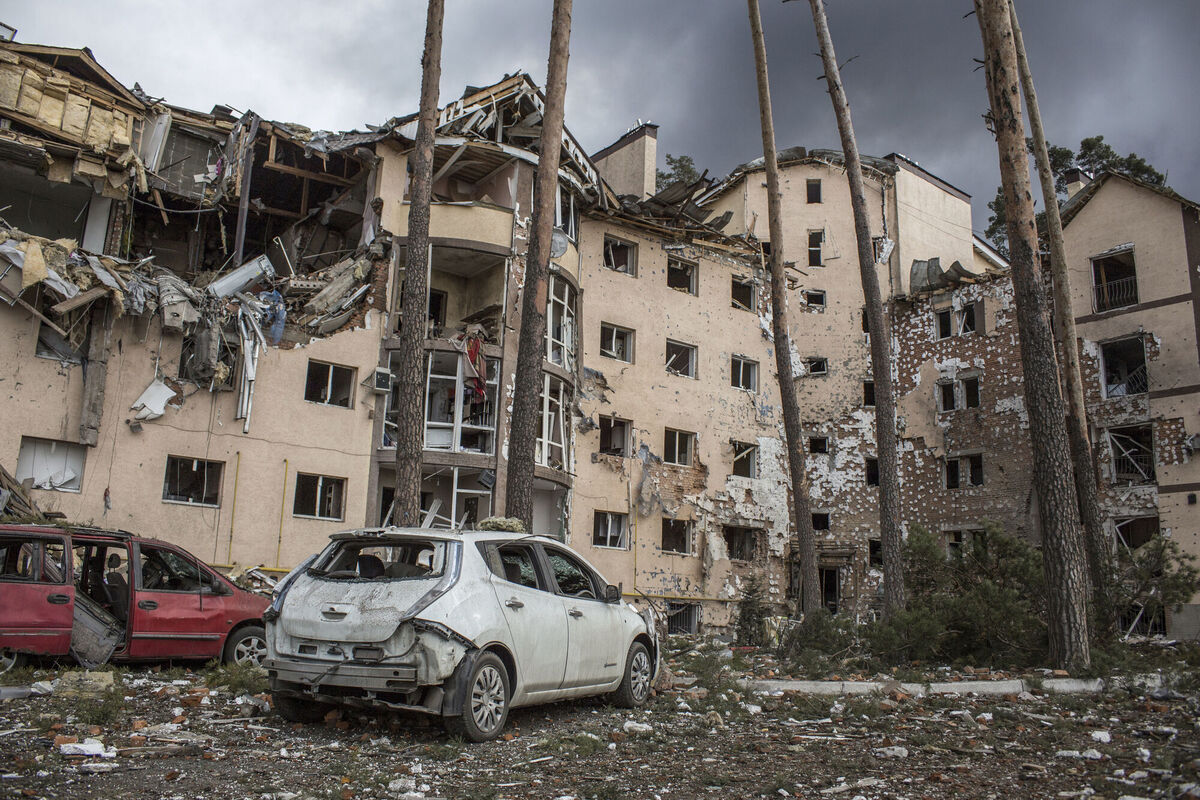
Ukrainian media outlet Suspilne cited authorities in Sumy, about 300 km (190 miles) east of Kyiv, as saying that there is a risk of fighting in the city's streets, urging residents to stay in shelters.
Russian forces also have encircled and shelled the southeastern port city of Mariupol - a key prize. There is no water, heat or electricity and food is running out, according to Mayor Vadym Boychenko.
President Vladimir Putin's actions have drawn almost universal condemnation, and many countries have imposed heavy sanctions as the West balances punishment with avoiding a widening of the conflict.
Fighting back in the information war, Russia's parliament passed a law on Friday imposing a prison term of up to 15 years for spreading intentionally "fake" news about the military.
"This law will force punishment - and very tough punishment - on those who lied and made statements which discredited our armed forces," said Vyacheslav Volodin, the chairman of the Duma, Russia's lower house of parliament.
Russia is blocking Facebook for restricting state-backed channels and the websites of the BBC, Deutsche Welle and Voice of America.
CNN and CBS News said they would stop broadcasting in Russia, and other outlets removed Russian-based journalists' bylines as they assessed the situation.
Ukrainian President Volodymyr Zelenskyy is expected to press Washington for more help in a Zoom call with the full U.S. Senate at 9:30 a.m. ET (1430 GMT) on Saturday.
The United States is weighing cuts to imports of Russian oil and ways to minimise the impact on global supplies and consumers as lawmakers fast-track a bill that would ban Russian energy imports. Global oil prices surged over 20% this week on fears of supply shortages, posing a risk to global economic growth.
At a meeting on Friday, NATO allies rejected Ukraine's appeal for no-fly zones, saying they were increasing support but that stepping in directly could make the situation worse.
"We have a responsibility ... to prevent this war from escalating beyond Ukraine because that would be even more dangerous, more devastating and would cause even more human suffering," said NATO Secretary-General Jens Stoltenberg.
Zelenskyy slammed the summit as "weak" and "confused."
"It was clear that not everyone considers the battle for Europe's freedom to be the number one goal," he said.
More EU sanctions were coming, potentially including a ban on Russian-flagged ships in European ports and blocking imports of steel, timber, aluminium or coal, said Irish Foreign Minister Simon Coveney.
Russian Defence Minister Sergei Shoigu told U.N. Secretary-General Antonio Guterres on Friday that talks with Ukraine on peacefully ending the conflict had "not moved from the starting point," Tass news agency said
The UN Security Council will hold an open meeting on Monday on the worsening humanitarian situation in Ukraine as the conflict intensifies and Ukrainian leaders call for the creation of humanitarian corridors.
The United States and Albania requested the meeting, which will hear briefings by UN humanitarian chief Martin Griffiths and Catherine Russell, executive director of the UN children’s agency UNICEF, diplomats said on Friday.
At the request of France and Mexico, the council meeting will be followed by closed consultations on a draft resolution on the humanitarian plight of Ukrainians, the diplomats said, speaking on condition of anonymity because negotiations on the meeting have been private.
The United Nations launched an emergency appeal on March 1 for 1.7 billion dollars (€1.5 billion) to respond to soaring humanitarian needs of both people who fled Ukraine and who remain in the country. It immediately received pledges of 1.5 billion dollars (€1.3 billion) and has urged that the pledges be turned into cash quickly.
The UN estimates that 12 million people staying in Ukraine and four million fleeing to neighbouring countries in the coming months will need humanitarian aid.
Meanwhile, the US Embassy in Ukraine has called Russia’s attack on a nuclear plant a war crime.
“It is a war crime to attack a nuclear power plant,” the embassy statement said. “Putin’s shelling of Europe’s largest nuclear plant takes his reign of terror one step further.”
Russian troops seized the plant on Friday in an attack that set it on fire and briefly raised fears of a nuclear disaster. The blaze was extinguished and no radiation was released.
Ukrainian President Volodymyr Zelenskyy called Russia’s action “nuclear terrorism” and appealed to the UN Security Council for action to safeguard Ukraine’s endangered nuclear facilities.
Ukrainian Prime Minister Denys Shmyhal appealed to the International Atomic Energy Agency and the EU to send representatives to all five of Ukraine’s nuclear power plants. “This is a question of the security of the whole world,” he said in a night-time video address.
It comes as the head of Ukraine’s security council called on Russia to create humanitarian corridors to allow children, women and the elderly to escape the fighting.
Oleksiy Danilov said on Friday more than 840 children have been wounded in the war. A day earlier, the Ukrainian government put the death toll among children at 28.
He spoke ahead of the latest talks between Ukrainian and Russian delegations, planned for this weekend.
“The question of humanitarian corridors is question number one,” Mr Danilov said on Ukrainian television. “Children, women, elderly people – what are they doing here?”
Russian troops have encircled and blockaded several large cities in the south of the country, including Mariupol, trying to cut Ukraine off from the Black and Azov seas.
Ukrainian officials have asked for help from the Red Cross in organising corridors, describing the situation in the blockaded cities as “close to a catastrophe”.
Mr Zelenskyy will talk to US senators on a video conference call on Saturday morning, according to a person familiar with the invitation from the Ukrainian embassy.


CONNECT WITH US TODAY



Be the first to know the latest news and updates