Ukraine: What happened today, Friday, March 4?

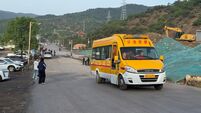
A woman walks amidst the debris of a school building destroyed by shelling, as Russia's invasion of Ukraine continues, in Zhytomyr, Ukraine March 4. REUTERS/Viacheslav Ratynskyi
No radiation was released from a Russian attack at Europe's biggest nuclear power plant in Ukraine and firefighters have extinguished a blaze at the facility, officials said, as Russian forces pressed their campaign to cripple the country despite global condemnation.
In the early hours of Friday morning, a fire broke out in a training building outside the Zaporizhzhia nuclear power plant, after it was shelled by Russian forces, Ukrainian authorities said.
Leaders from across the globe have condemned the attack which has been described as being "in line with madness".
The United Nations Security Council is this evening holding an emergency meeting following Russia's attack on Zaporizhzhya nuclear power plant.
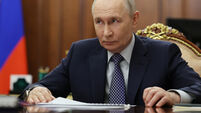
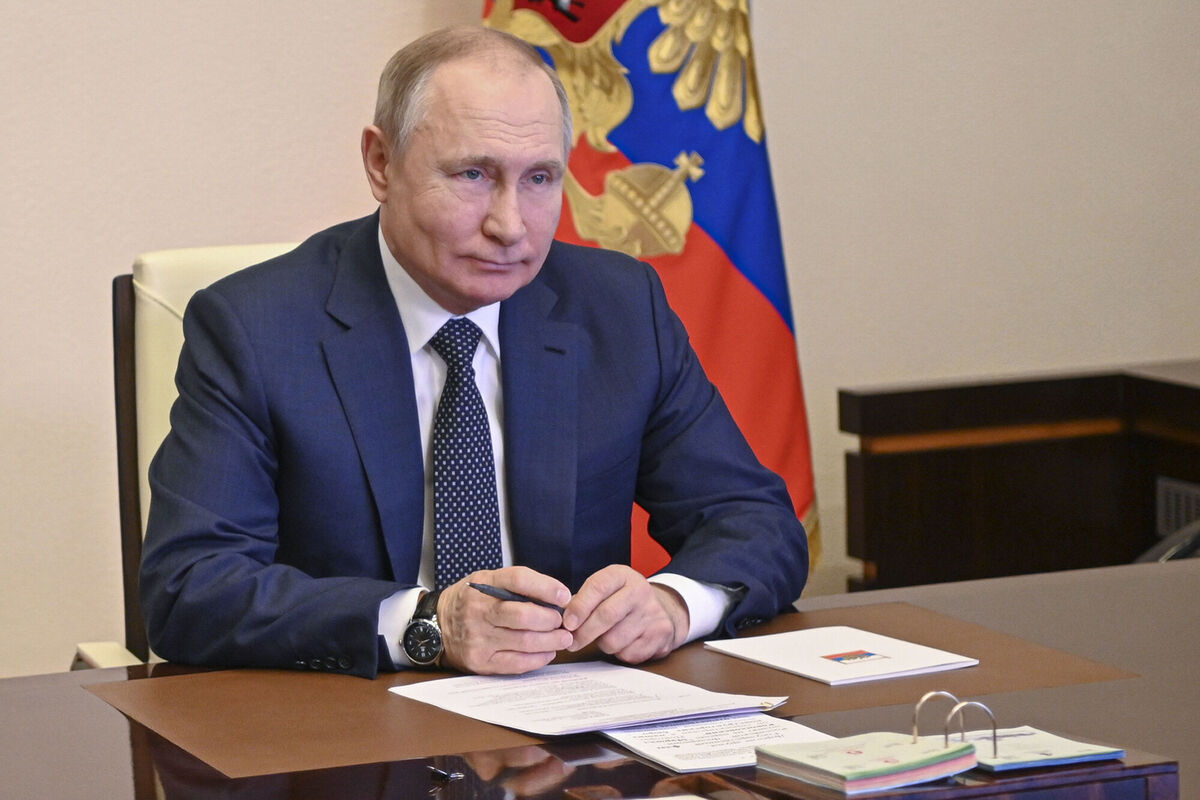
Meanwhile, President Vladimir Putin has said that Russia is ready for talks with Ukraine but insisted that it must meet Moscow’s demands.
Russian President Vladimir Putin has signed a bill introducing a prison sentence of up to 15 years for spreading information that goes against the Russian government’s position on the war in Ukraine.
Russia has blocked access to Facebook and Twitter for its 146 million citizens amid the Ukraine invasion, a state regulator has said.
Taoiseach Micheál Martin has conceded that housing Ukrainian people here in Ireland will be “very challenging” and there are “no readymade solutions”. Speaking in Limerick on Friday, Mr Martin acknowledged the scale of the problem given the country’s housing crisis.
A Russian politician has spoken out about what she says are heavy losses being suffered by some military units fighting in Ukraine.
Europe’s largest nuclear power plant was hit by Russian shelling, sparking a fire and raising fears of a disaster that could affect all of central Europe for decades, like the 1986 Chernobyl meltdown.
Humanitarian campaigner Adi Roche says Russian shelling at the nuclear power plant should be declared a war crime.
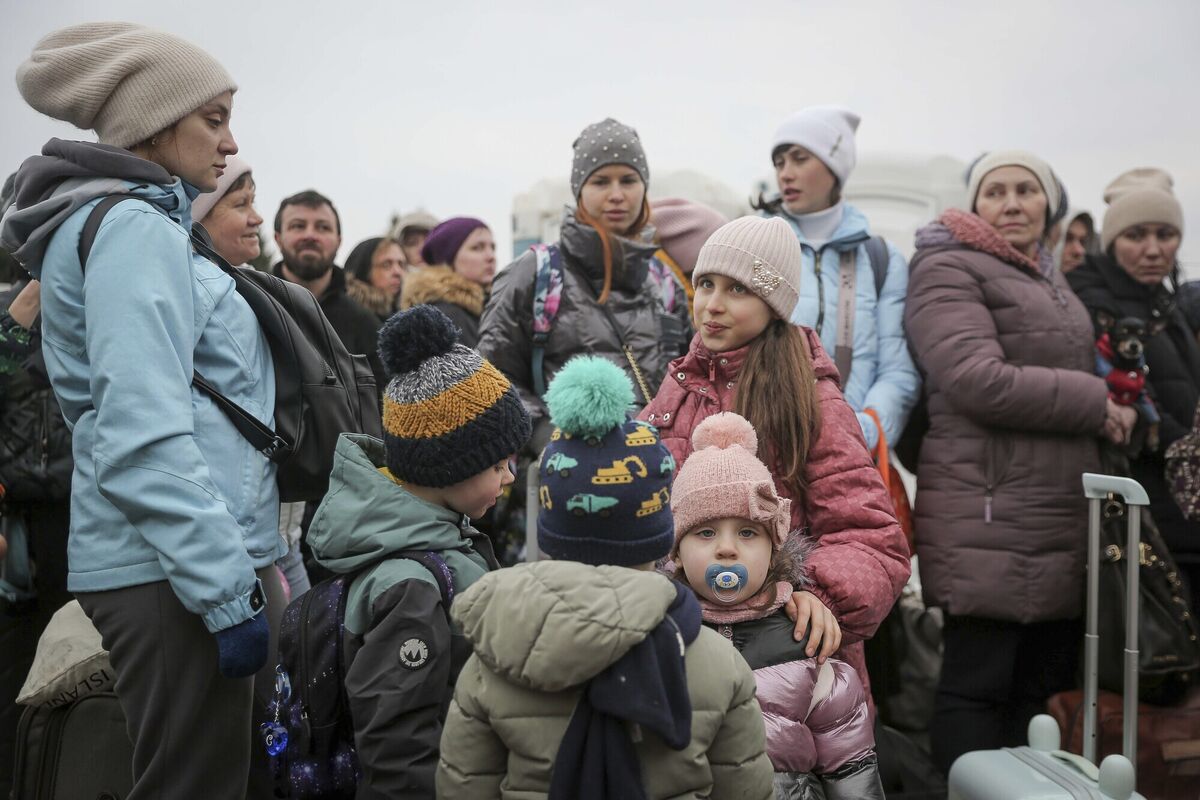
More than 1.2 million people have left Ukraine since the fighting began, according to the UN refugee agency. Its data portal on Ukraine showed that the majority, about 650,000, had gone to neighbouring Poland, and roughly 145,000 had fled to Hungary.
President Vladimir Putin says Russia is ready for talks with Ukraine but insisted that it must meet Moscow’s demands. He told German Chancellor Olaf Scholz that Ukraine must agree to demilitarise, accept Moscow’s sovereignty over Crimea and surrender territory to Russia-backed rebels in the east.
As the invasion entered its second week, another round of talks between Russia and Ukraine yielded a tentative agreement to set up safe corridors to evacuate citizens and deliver humanitarian aid.
The fire at the site of Europe's biggest nuclear plant, ignited by Russian shelling, has been extinguished, Ukrainian authorities said this afternoon.
The first report of the fire at the Zaporizhzhia nuclear power plan came from an employee, who posted on Telegram that Russian forces had fired on the facility and there was “a real threat of nuclear danger at the largest nuclear power plant in Europe”.
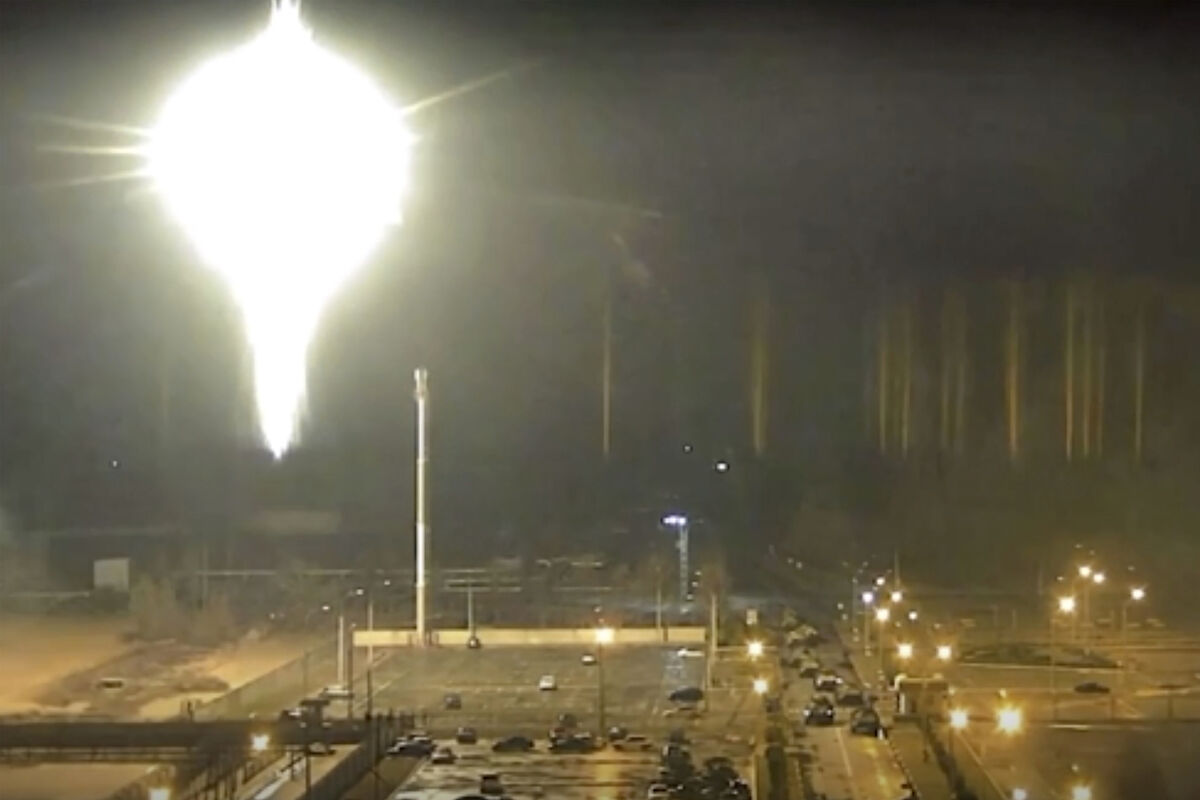
Ukraine’s foreign minister called for an immediate ceasefire to allow firefighters to control the blaze. Leading nuclear authorities were worried - but not panicked - about the damage to the power station.
The plant is currently under control of the Russian armed forces, Ukraine’s UN ambassador said on Friday evening.
In an emotional speech on Thursday, President Zelenskyy said he feared an explosion at the plant that would be "the end for everyone. The end for Europe. The evacuation of Europe".
Leaders from across the world have condemned the attack with Norway's Prime Minister Jonas Gahr Store saying that the Russian shelling that led to the fire at the Zaporizhzhia nuclear plant was "in line with madness".
The US ambassador to the United Nations said the world narrowly averted a nuclear catastrophe overnight when the fire broke out at the nuclear power plant. Speaking at an emergency meeting of the UN Security Council, Linda Thomas-Greenfield said Russia’s actions were “reckless” and “dangerous”.
On Friday, a state regulator said Russia has blocked access to Facebook and Twitter for its 146 million citizens amid the Ukraine invasion.
The country’s communications watchdog, Roskomnadzor, said the social media platform was blocked on day nine of the war due to “cases of discrimination against Russian media”.
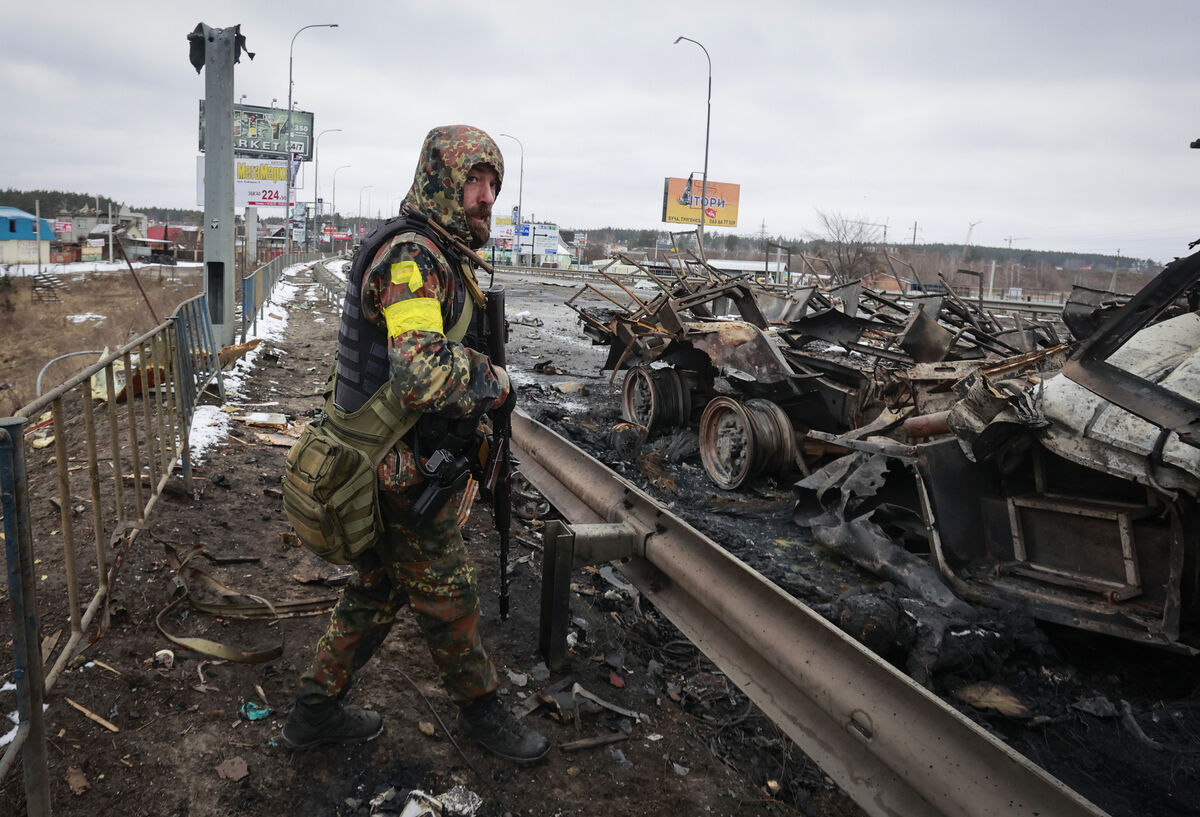
Ukrainian officials also confirmed the takeover of the government headquarters in the city of Kherson, making it the first major city to fall since the invasion began.
Russian armoured vehicles were seen in the otherwise empty streets of Kherson, in videos by a resident.
Frequent shelling could be heard on Friday from the centre of the capital, Kyiv.
Heavy fighting continued on the outskirts of another strategic port, Mariupol, knocking out the city’s electricity, heat and water systems, as well as most phone service.
Russian President Vladimir Putin told German Chancellor Olaf Scholz that Ukraine must agree to demilitarise, accept Moscow’s sovereignty over Crimea and surrender territory to Russia-backed rebels in the east, the Kremlin said in its readout of Friday’s call.
Washington is committed to doing everything needed to stop the war in Ukraine, US Secretary of State Antony Blinken said on Friday as he went into a meeting with his EU counterparts.
"We are faced together with what is President Putin's war of choice: unprovoked, unjustified, and a war that is having horrific, horrific consequences for real people. For mothers, fathers. For children. We see the images on TV, and it has to stop," he told reporters in Brussels.
Meanwhile, NATO allies rejected Ukraine's demand for no-fly zones on Friday, saying they were increasing support but that stepping in directly would lead to a broader, even more brutal European war so far limited to Russia's assault on its neighbour.
Simon Coveney said the assault on the biggest nuclear plant in Europe - in the city of Zaporizhzhia - concerns everyone on the continent who could have been impacted by a disaster there.
A breach of the facility could release higher radiation levels than those seen after the world's worst nuclear accident at Ukraine's Chernobyl in 1986, he warned.
Mr Coveney joined foreign ministers from the European Union, the UK, US and Canada in Brussels to show his support for Ukraine.
He said the ministers would not be signing off on a new raft of sanctions, though further measures will be agreed later.
Meanwhile, the Irish Red Cross said it has seen over €6 million donated to their crisis appeal this week with about €4.7m donated in the space of just three days.
The Red Cross also revealed that 180 people have pledged spare rooms and vacant properties for Ukrainian refugees.
CONNECT WITH US TODAY



Be the first to know the latest news and updates